Department of Biochemistry, Faculty of Biological Sciences, Quaid-I-Azam University (QAU), Islamabad 45320, Pakistan.
Department of Pediatrics, Pakistan Institute of Medical Sciences, Shaheed Zulfiqar Ali Bhutto Medical University, Islamabad 44000, Pakistan.
Medicina (Kaunas). 2022 Dec 4;58(12):1784. doi: 10.3390/medicina58121784.
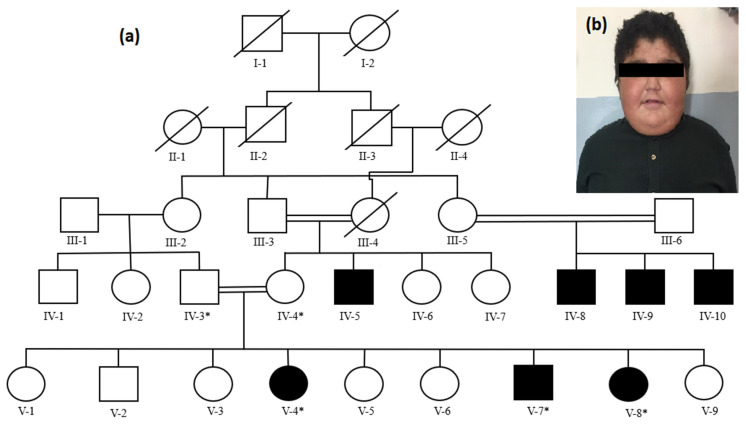
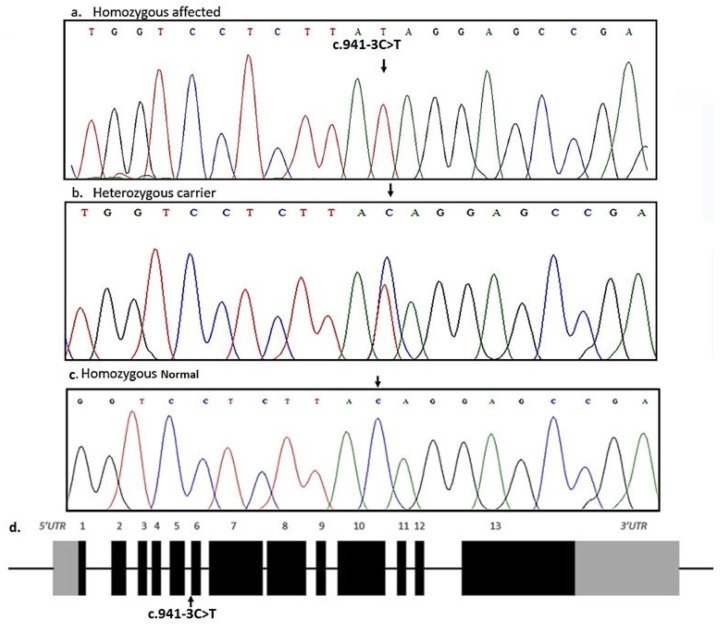
Background and Objectives: Nephrotic syndrome (NS) is a kidney disease where the patient has a classic triad of signs and symptoms including hypercholesterolemia, hypoalbuminemia, proteinuria (>3.5 g/24 h), and peripheral edema. In case of NS, the damaged nephrons (structural and functional unit of the kidney) filter unwanted blood contents to make urine. Thus, the urine contains unwanted proteins (proteinuria) and blood cells (hematuria), while the bloodstream lacks enough protein albumin (hypoalbuminemia). Nephrotic syndrome is divided into two types, primary NS, and secondary NS. Primary NS, also known as primary glomerulonephrosis, is the result of a glomerular disease that is limited to the kidney, while secondary NS is a condition that affects the kidney and other parts of the body. The main causes of primary NS are minimal change disease, membranous glomerulonephritis, and focal segmental glomerulosclerosis. In the present study we recruited a family segregating primary NS with the aim to identify the underlying genetic etiology. Such type of study is important in children because it allows counseling of other family members who may be at risk of developing NS, predicts risk of recurrent disease phenotypes after kidney transplant, and predicts response to immunosuppressive therapy. Materials and Methods: All affected individuals were clinically evaluated. Clinical examination, results of laboratory tests, and biopsy investigations led us to the diagnosis. The next-generation sequencing technique (whole-exome sequencing) followed by Sanger sequencing identified a novel homozygous splice site variant (NM_173689.7: c.941-3C>T) in the CRB2 gene. The variant was present in a homozygous state in the affected individuals, while in a heterozygous state in phenotypically normal parents. Results: The study expanded the spectrum of the mutations in the gene CRB2 responsible for causing NS. Conclusions: In addition, the study will also help in genetic counseling, carrier testing, and prenatal and/or postnatal early diagnosis of the disease in the affected family.
肾病综合征(NS)是一种肾脏疾病,患者具有典型的三联征,包括高胆固醇血症、低白蛋白血症、蛋白尿(>3.5 g/24 h)和外周水肿。在 NS 中,受损的肾小球(肾脏的结构和功能单位)过滤掉不需要的血液成分来产生尿液。因此,尿液中含有不需要的蛋白质(蛋白尿)和血细胞(血尿),而血液中缺乏足够的蛋白质白蛋白(低白蛋白血症)。NS 分为两种类型,原发性 NS 和继发性 NS。原发性 NS,也称为原发性肾小球肾炎,是肾小球疾病的结果,仅限于肾脏,而继发性 NS 是一种影响肾脏和身体其他部位的疾病。原发性 NS 的主要原因是微小病变病、膜性肾小球肾炎和局灶节段性肾小球硬化症。在本研究中,我们招募了一个家族性原发性 NS 患者,旨在确定潜在的遗传病因。这种类型的研究对儿童很重要,因为它可以为其他可能患有 NS 的家庭成员提供咨询,预测肾移植后疾病表型的复发风险,并预测对免疫抑制治疗的反应。
所有受影响的个体均进行了临床评估。临床检查、实验室检查结果和活检研究导致了诊断。下一代测序技术(全外显子组测序)随后进行 Sanger 测序,在 CRB2 基因中发现了一个新的纯合剪接位点变异(NM_173689.7:c.941-3C>T)。该变异在受影响的个体中以纯合状态存在,而在表型正常的父母中则以杂合状态存在。
该研究扩展了导致 NS 的基因 CRB2 突变谱。
此外,该研究还将有助于对受影响家族进行遗传咨询、携带者检测以及产前和/或产后疾病的早期诊断。