EHESP, Inserm, Irset (Institut de Recherche en Santé, Environnement et Travail) - UMR_S 1085, University Rennes, 35000, Rennes, France.
School of Medicine, Linyi University, Linyi, 276000, China.
Clin Epigenetics. 2022 Dec 26;14(1):186. doi: 10.1186/s13148-022-01408-2.
To assess the genetic and epigenetic effects promoted by Bisphenol A (BPA) exposure in adolescent males from the Spanish INMA-Granada birth cohort, and in human cells.
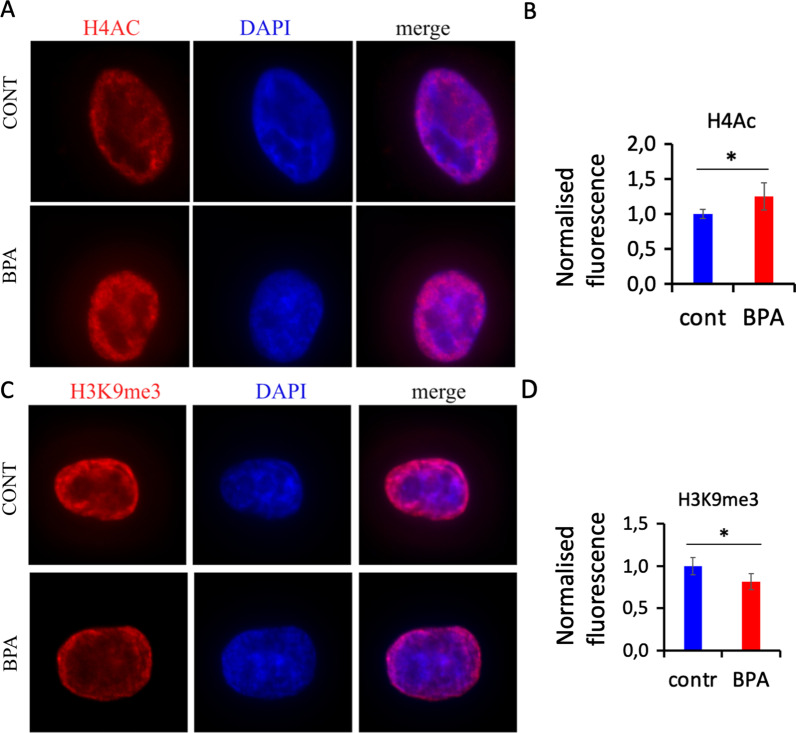
DNA methylation was analysed using MEDIP. Repeat number variation in genomic DNA was evaluated, along with the analysis of H3K4me3 by using chromatin immunoprecipitation followed by high-throughput sequencing (ChIP-seq). Analyses were performed with material extracted from whole blood of the adolescents, complemented by in vitro assessments of human (HeLa) cells exposed to 10 nM BPA, specifically, immunofluorescence evaluation of protein levels, gene expression analysis and ChIP‒qPCR analysis.
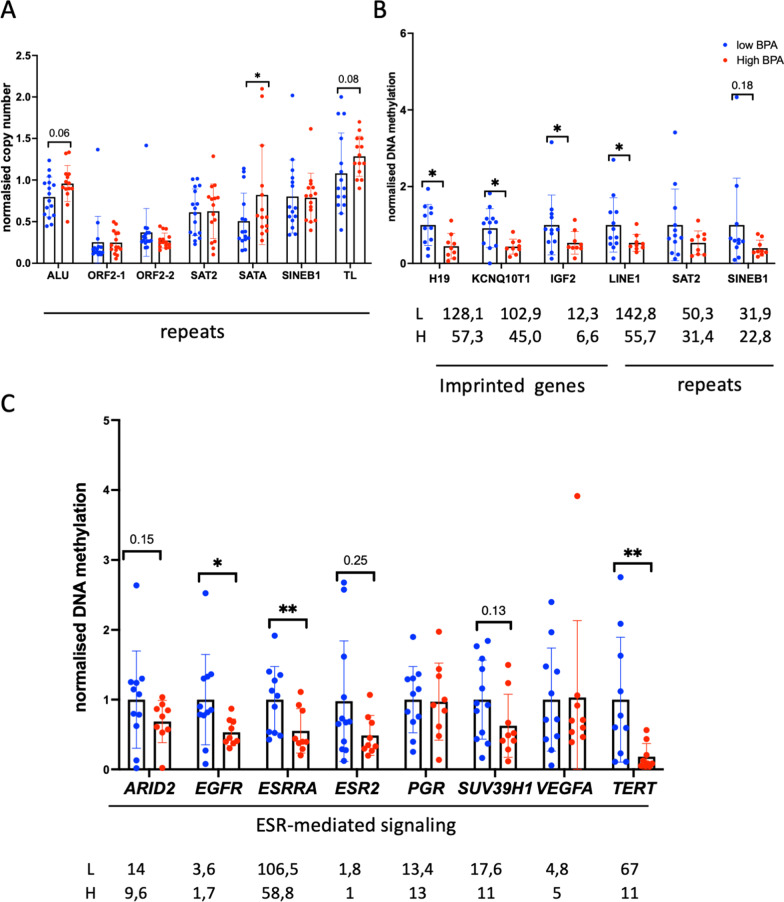
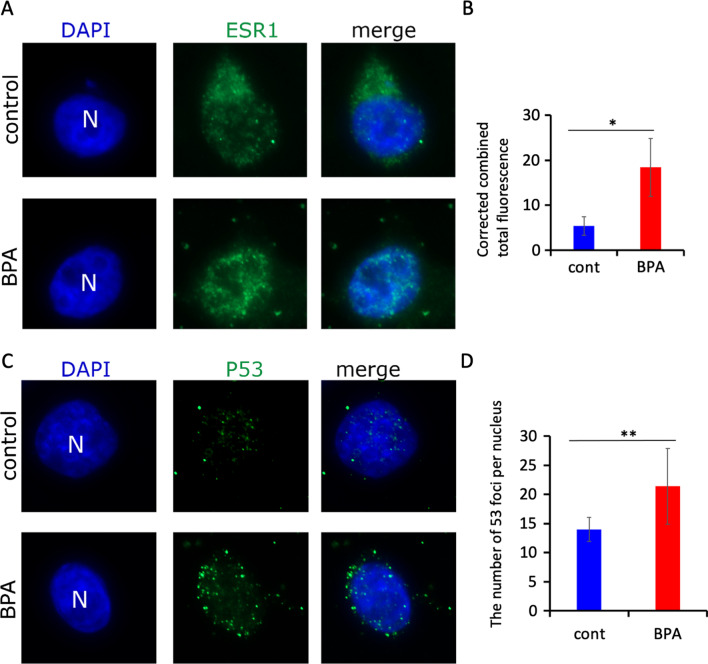
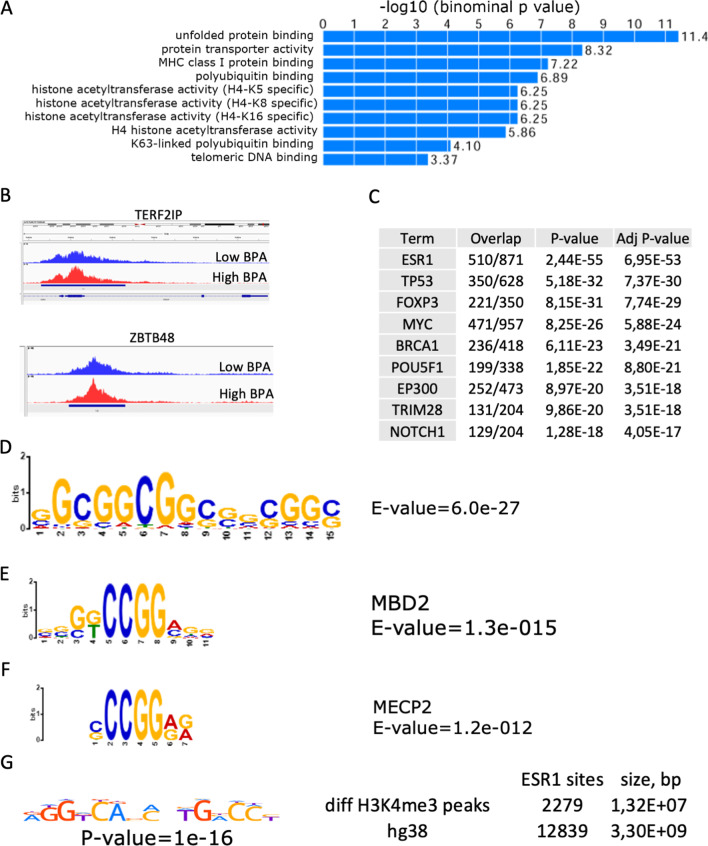
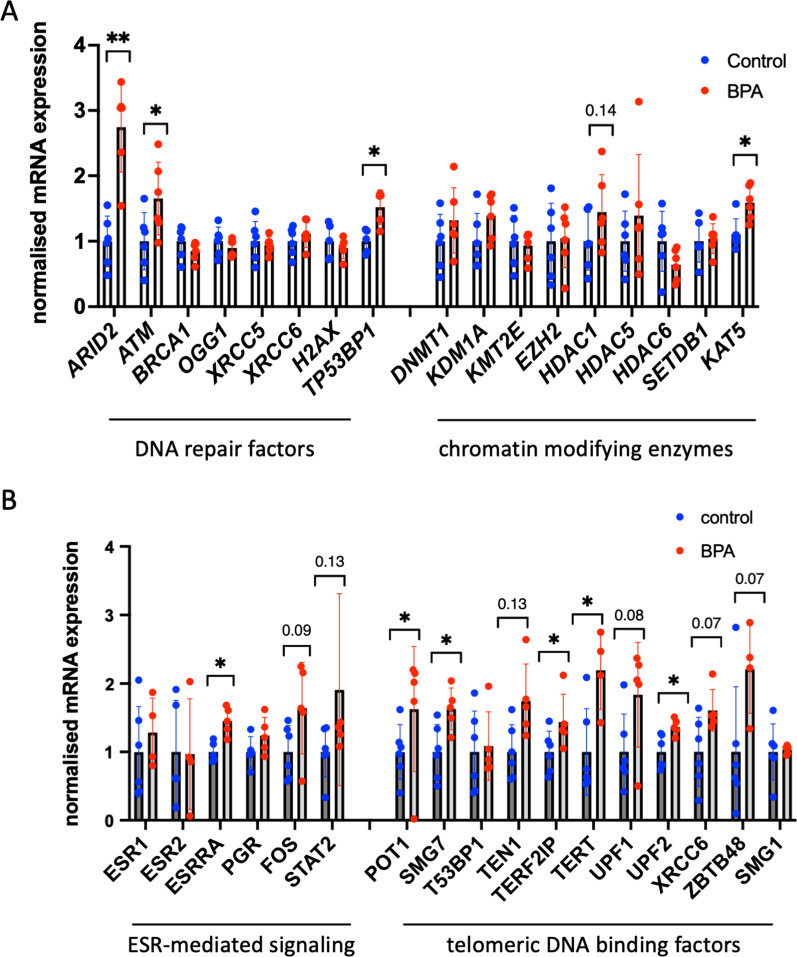
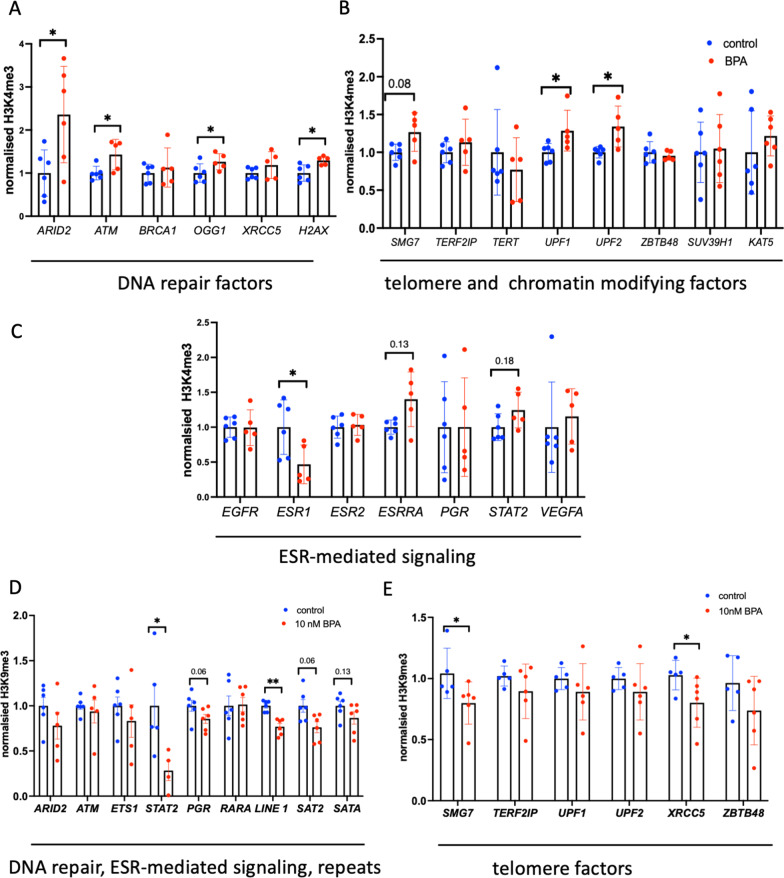
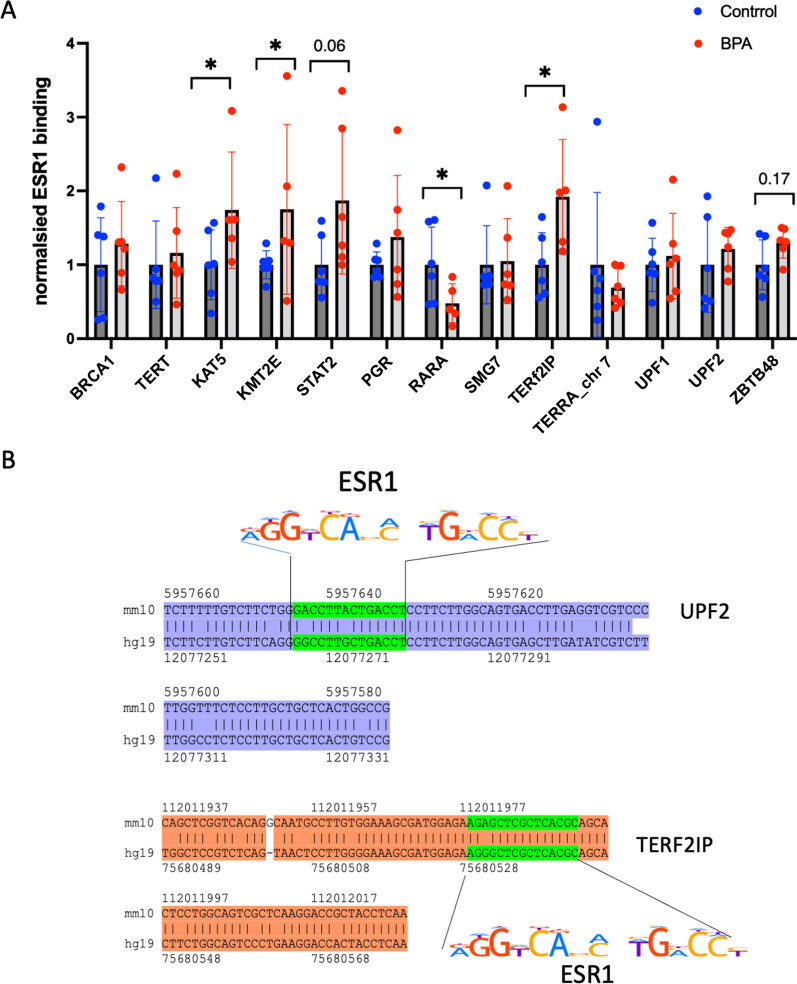
Adolescents in the high urinary BPA levels group presented a higher level of Satellite A (SATA) repetitive region copy numbers compared to those in the low BPA group and a tendency towards increase in telomere length. We also observed decreased DNA methylation at the promoters of the imprinted genes H19, KCNQ1, and IGF2; at LINE1 retroelements; and at the ARID2, EGFR and ESRRA and TERT genes. Genome-wide sequencing revealed increased H3K4me3 occupancy at the promoters of genes encoding histone acetyltransferases, telomeric DNA binding factors and DNA repair genes. Results were supported in HeLa cells exposed to 10 nM BPA in vitro. In accordance with the data obtained in blood samples, we observed higher H3K4me3 occupancy and lower DNA methylation at some specific targets in HeLa cells. In exposed cells, changes in the expression of genes encoding DNA repair factors (ATM, ARID2, TRP53) were observed, and increased expression of several genes encoding telomeric DNA binding factors (SMG7, TERT, TEN1, UPF1, ZBTB48) were also found. Furthermore, an increase in ESR1/ERa was observed in the nuclei of HeLa cells along with increased binding of ESR1 to KAT5, KMT2E and TERF2IP promoters and decreased ESR1 binding at the RARA promoter. The DNA damage marker p53/TP53 was also increased.
In this pilot study, genome-wide analysis of histone trimethylation in adolescent males exposed to BPA revealed a global impact on the expression of genes encoding telomeric binding proteins and histone acetyltransferase factors with similar results in HeLa cells. Nevertheless, larger studies should confirm our findings.
评估双酚 A(BPA)暴露对西班牙 INMA-Granada 出生队列中青少年男性的遗传和表观遗传影响,并在人类细胞中进行评估。
使用 MEDIP 分析 DNA 甲基化。评估基因组 DNA 中的重复数量变化,以及使用染色质免疫沉淀 followed by high-throughput sequencing(ChIP-seq)分析 H3K4me3。使用从青少年全血中提取的材料进行分析,补充了体外评估暴露于 10 nM BPA 的人(HeLa)细胞的实验,具体包括蛋白质水平的免疫荧光评估、基因表达分析和 ChIP-qPCR 分析。
高尿 BPA 水平组的青少年与低 BPA 组相比,卫星 A(SATA)重复区域拷贝数更高,端粒长度也有增加的趋势。我们还观察到印迹基因 H19、KCNQ1 和 IGF2 的启动子处的 DNA 甲基化降低;LINE1 反转录元件;以及 ARID2、EGFR 和 ESRRA 和 TERT 基因。全基因组测序显示,组蛋白乙酰转移酶、端粒 DNA 结合因子和 DNA 修复基因启动子处的 H3K4me3 占有率增加。体外暴露于 10 nM BPA 的 HeLa 细胞的实验结果支持了这一结果。与血液样本中获得的数据一致,我们观察到 HeLa 细胞中一些特定靶点的 H3K4me3 占有率更高和 DNA 甲基化更低。在暴露的细胞中,观察到编码 DNA 修复因子(ATM、ARID2、TRP53)的基因表达发生变化,并且还发现了一些编码端粒 DNA 结合因子(SMG7、TERT、TEN1、UPF1、ZBTB48)的基因表达增加。此外,在 HeLa 细胞核中观察到 ESR1/ERa 的增加,以及 ESR1 与 KAT5、KMT2E 和 TERF2IP 启动子的结合增加和 RARA 启动子的 ESR1 结合减少。DNA 损伤标志物 p53/TP53 也增加。
在这项初步研究中,对暴露于 BPA 的青少年男性的组蛋白三甲基化进行全基因组分析,发现其对编码端粒结合蛋白和组蛋白乙酰转移酶因子的基因表达具有全面影响,在 HeLa 细胞中也得到了类似的结果。然而,需要更大的研究来证实我们的发现。