Malaria Biochemistry Laboratory, The Francis Crick Institute, London, United Kingdom.
Centre for Structural Systems Biology, Hamburg, Germany.
Elife. 2022 Dec 28;11:e82207. doi: 10.7554/eLife.82207.
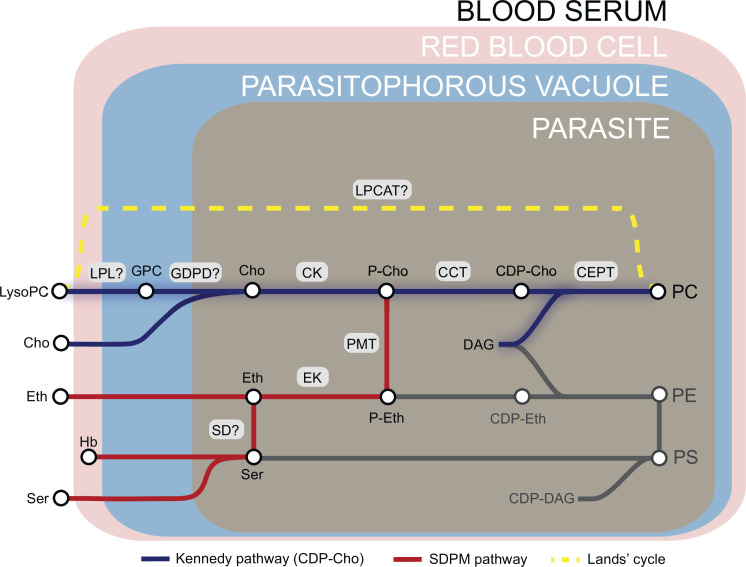
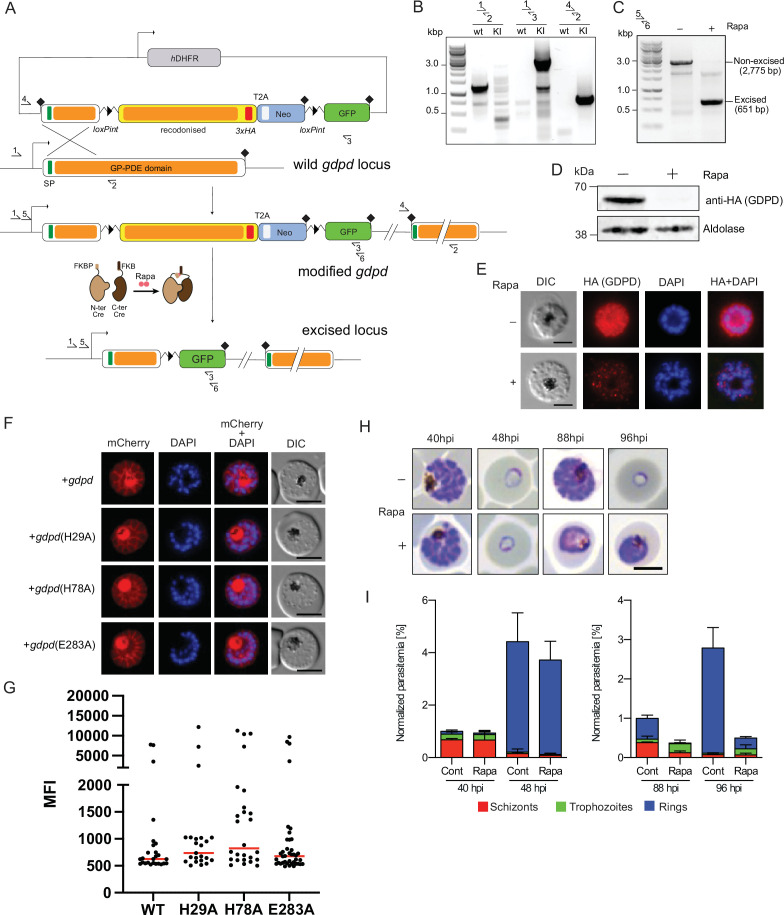
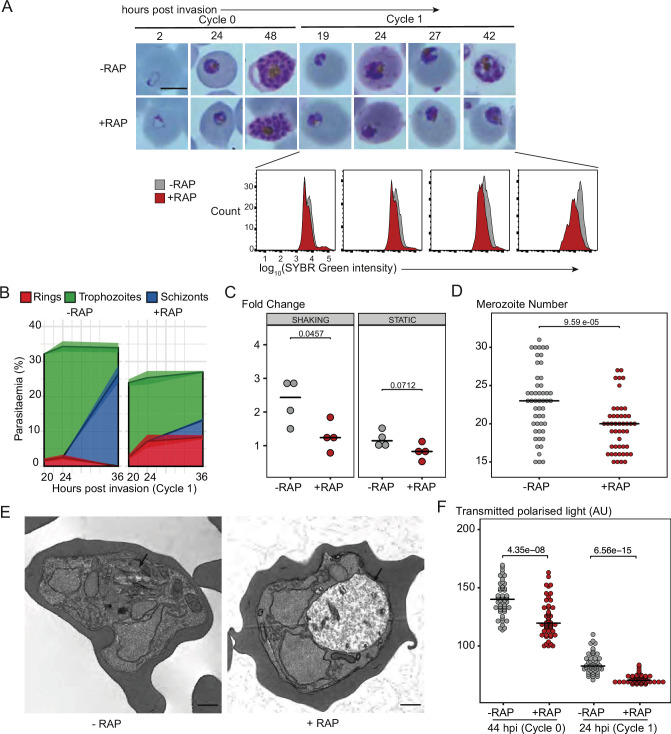
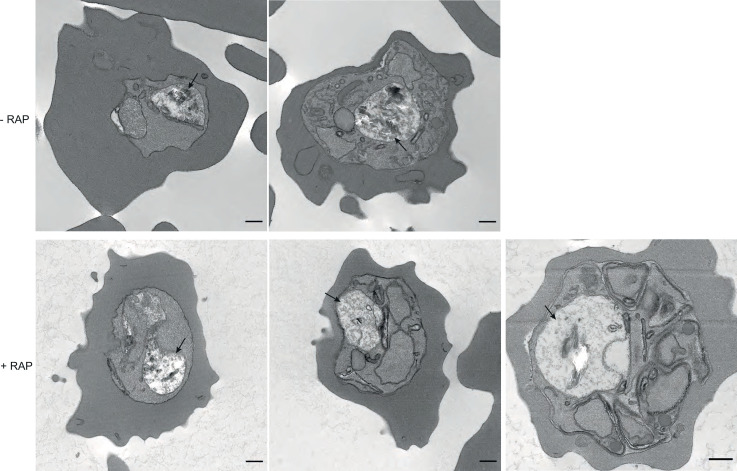
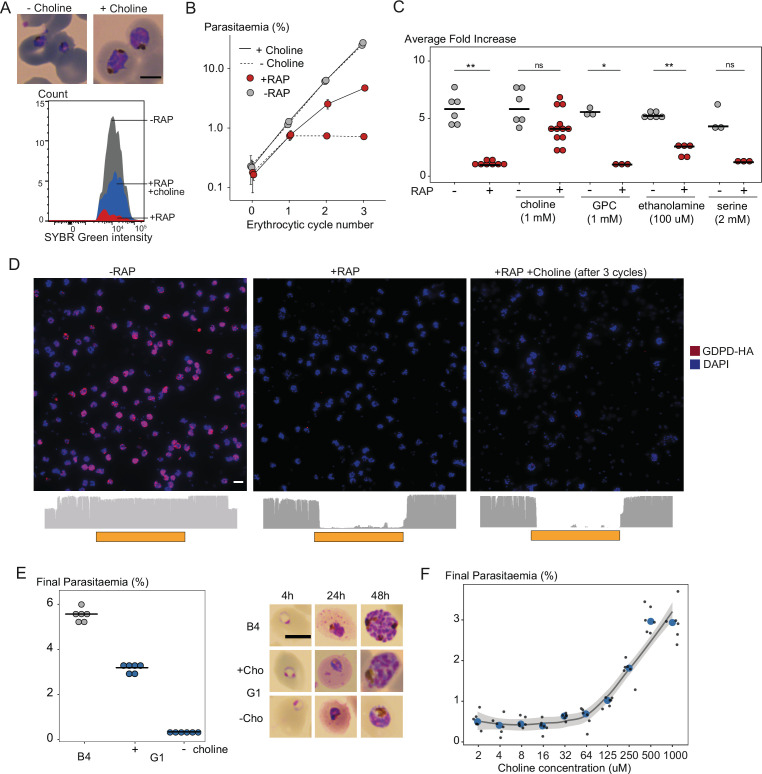
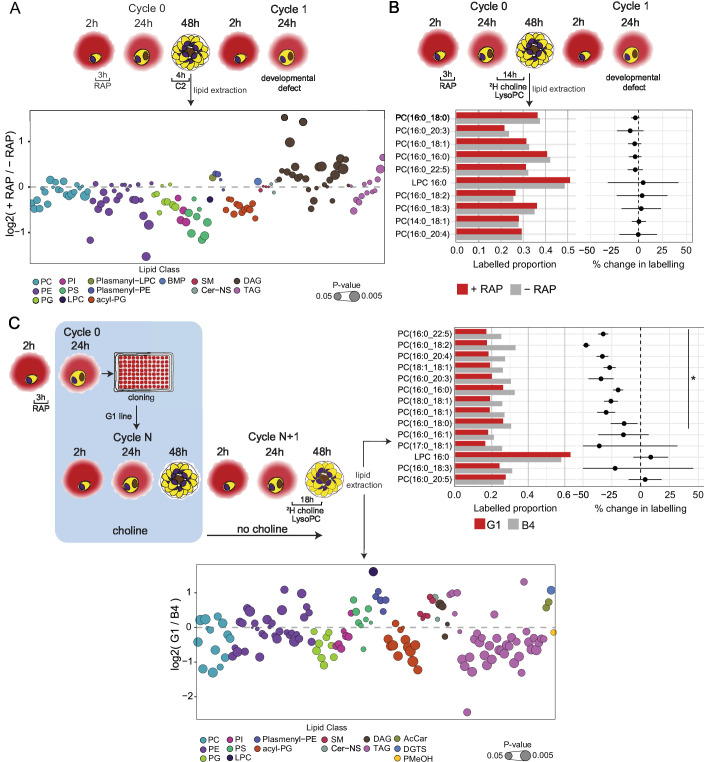
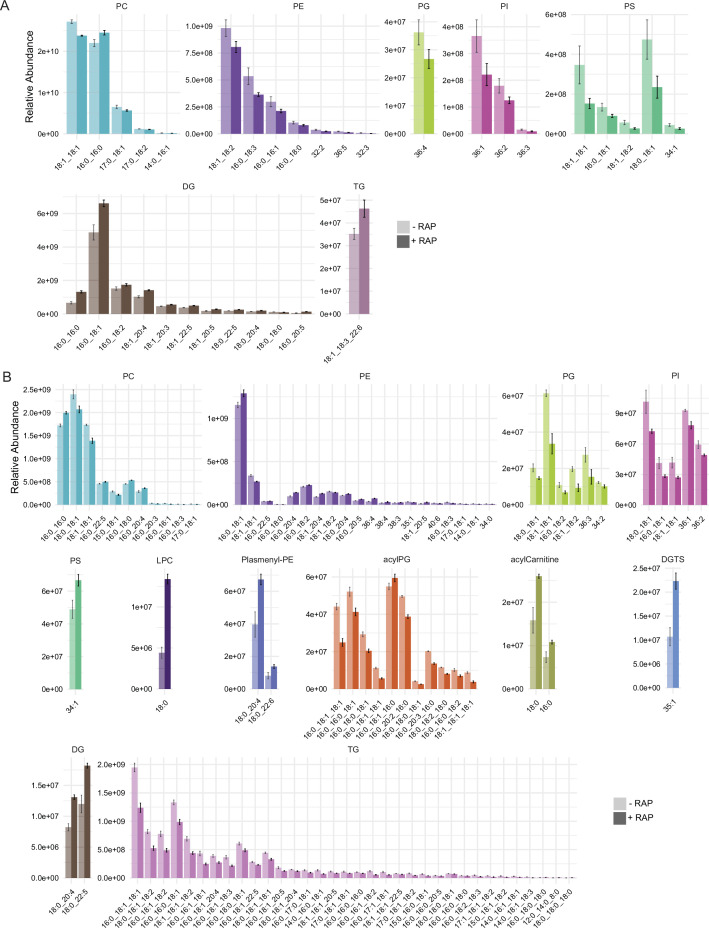
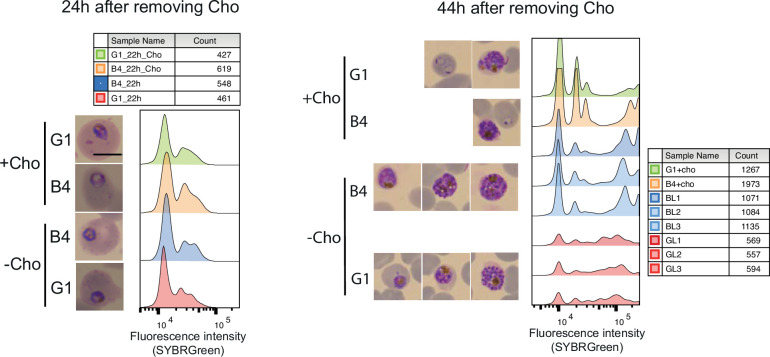
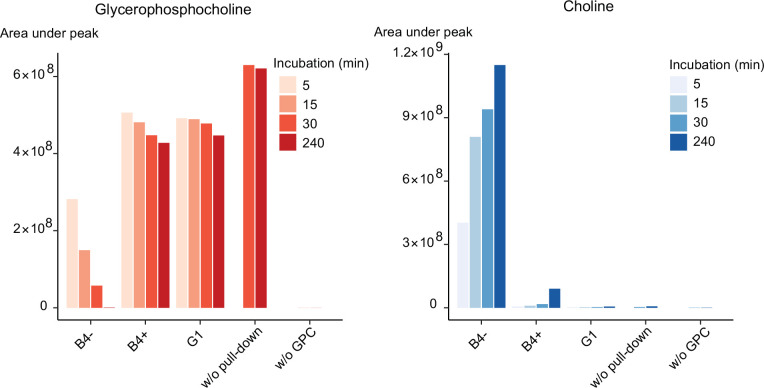
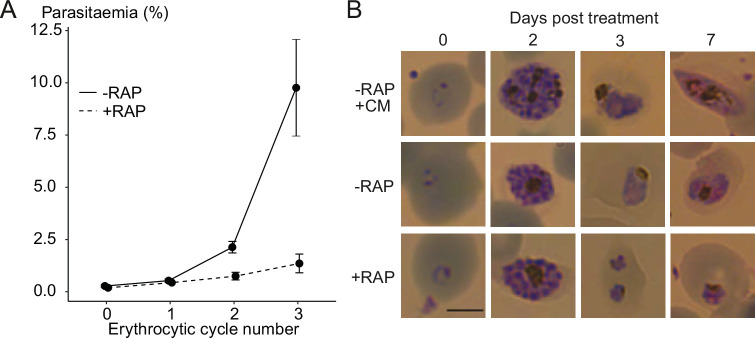
The malaria parasite synthesizes significant amounts of phospholipids to meet the demands of replication within red blood cells. De novo phosphatidylcholine (PC) biosynthesis via the Kennedy pathway is essential, requiring choline that is primarily sourced from host serum lysophosphatidylcholine (lysoPC). LysoPC also acts as an environmental sensor to regulate parasite sexual differentiation. Despite these critical roles for host lysoPC, the enzyme(s) involved in its breakdown to free choline for PC synthesis are unknown. Here, we show that a parasite glycerophosphodiesterase (PfGDPD) is indispensable for blood stage parasite proliferation. Exogenous choline rescues growth of PfGDPD-null parasites, directly linking PfGDPD function to choline incorporation. Genetic ablation of PfGDPD reduces choline uptake from lysoPC, resulting in depletion of several PC species in the parasite, whilst purified PfGDPD releases choline from glycerophosphocholine in vitro. Our results identify PfGDPD as a choline-releasing glycerophosphodiesterase that mediates a critical step in PC biosynthesis and parasite survival.
疟原虫合成大量的磷脂以满足在红细胞内复制的需求。从头合成磷脂酰胆碱(PC)的肯尼思途径是必不可少的,需要胆碱,而胆碱主要来源于宿主血清溶血磷脂酰胆碱(lysoPC)。lysoPC 还作为一种环境传感器来调节寄生虫的有性分化。尽管宿主 lysoPC 具有这些关键作用,但参与其分解为合成 PC 的游离胆碱的酶(s)尚不清楚。在这里,我们表明寄生虫甘油磷酸二酯酶(PfGDPD)对于血期寄生虫的增殖是不可或缺的。外源性胆碱可挽救 PfGDPD 缺失型寄生虫的生长,直接将 PfGDPD 功能与胆碱的掺入联系起来。PfGDPD 的基因缺失减少了从 lysoPC 摄取胆碱,导致寄生虫中几种 PC 物种耗竭,而纯化的 PfGDPD 在体外从甘油磷酸胆碱中释放胆碱。我们的结果将 PfGDPD 鉴定为一种释放胆碱的甘油磷酸二酯酶,它介导了 PC 生物合成和寄生虫存活的关键步骤。