Zhang Zhiting, Shan Liang, Wang Yuyin, Li Wenfang, Jiang Minqing, Liang Feng, Feng Shijing, Lu Zhonghua, Wang Hong, Dai Ji
CAS Key Laboratory of Brain Connectome and Manipulation, the Brain Cognition and Brain Disease Institute (BCBDI), Shenzhen Institute of Advanced Technology, Chinese Academy of Sciences, Shenzhen 518055, China.
Shenzhen-Hong Kong Institute of Brain Science-Shenzhen Fundamental Research Institutions, Shenzhen 518055, China.
Innovation (Camb). 2022 Dec 5;4(1):100358. doi: 10.1016/j.xinn.2022.100358. eCollection 2023 Jan 30.
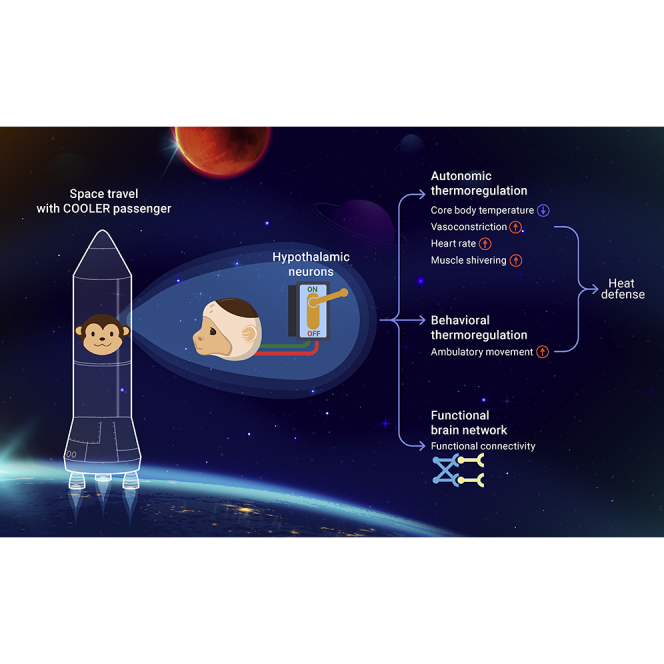
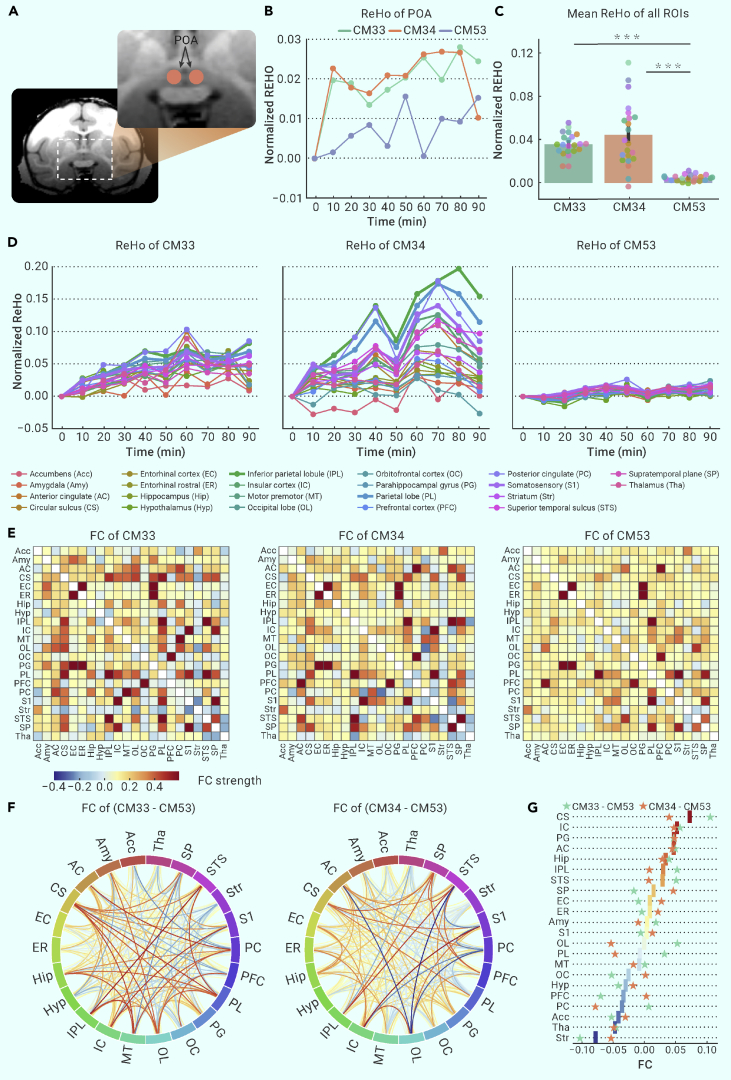
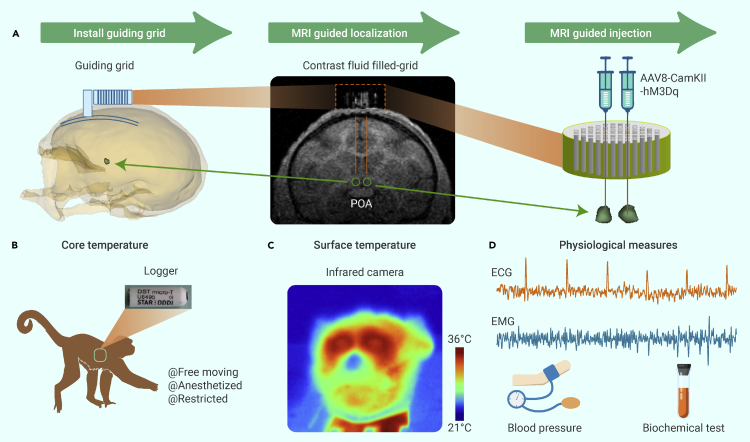
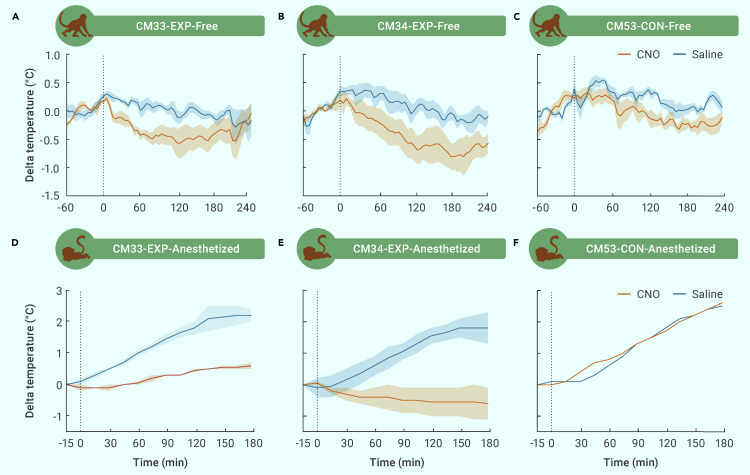
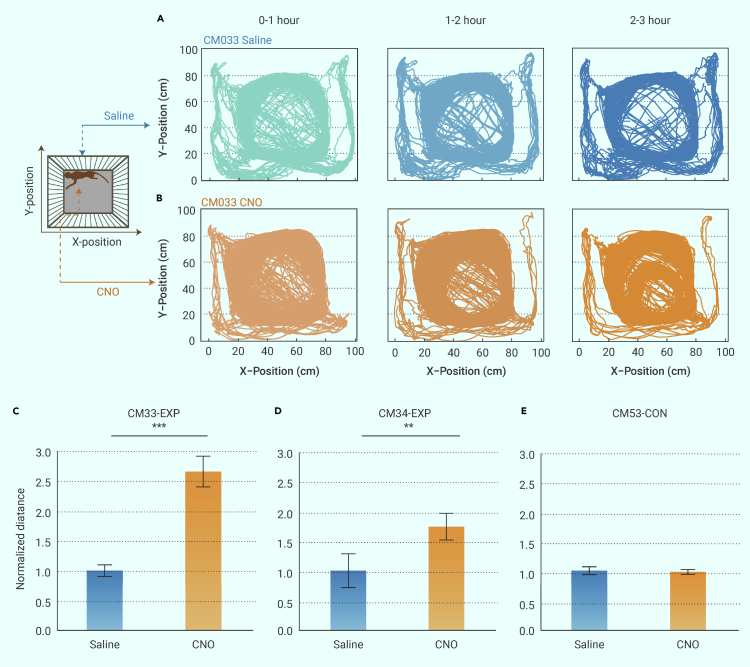
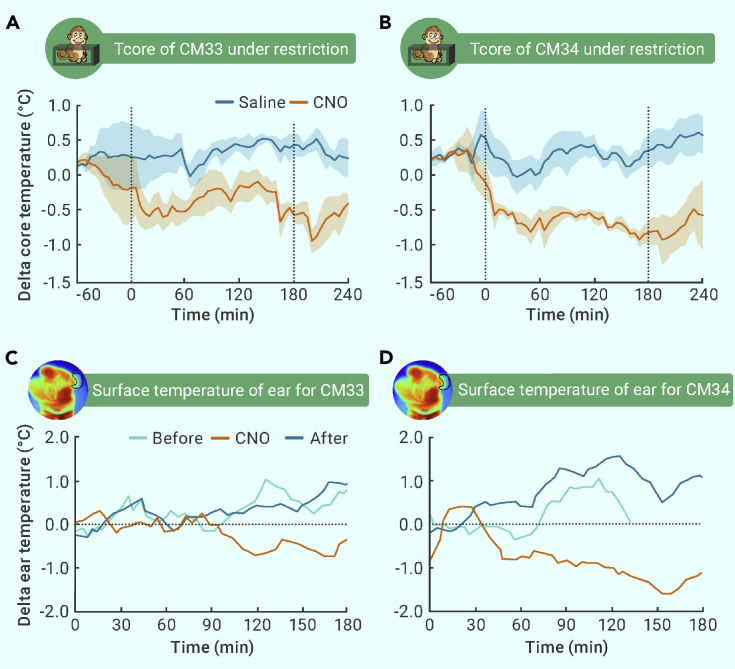
Maintaining body temperature within a narrow range is vital for warm-blooded animals. In rodents, the preoptic area (POA) of the hypothalamus detects and regulates core body temperature. However, knowledge about the thermal regulation center in primates remains limited. Here, we show that activating a subpopulation of POA neurons by a chemogenetic strategy reliably induces hypothermia in anesthetized and freely moving macaques. Comprehensive monitoring of physiological parameters reveals that such hypothermia is accompanied by autonomic changes including a rise in heart rate, skeletal muscle activity, and correlated biomarkers in blood. Consistent with enhanced ambulatory movement during hypothermia, the animals show a full range of cold-defense behaviors. Resting-state fMRI confirms the chemogenetic activation of POA and charts a brain-wide network of thermoregulation. Altogether, our findings demonstrate the central regulation of body temperature in primates and pave the way for future application in clinical practice.
将体温维持在一个狭窄的范围内对温血动物至关重要。在啮齿动物中,下丘脑的视前区(POA)检测并调节核心体温。然而,关于灵长类动物体温调节中枢的知识仍然有限。在这里,我们表明通过化学遗传策略激活POA神经元亚群能可靠地在麻醉和自由活动的猕猴中诱导体温过低。对生理参数的全面监测表明,这种体温过低伴随着自主神经变化,包括心率上升、骨骼肌活动以及血液中相关生物标志物的变化。与体温过低期间活动增强一致,动物表现出一系列的防寒行为。静息态功能磁共振成像证实了POA的化学遗传激活,并绘制了全脑体温调节网络。总之,我们的研究结果证明了灵长类动物体温的中枢调节,并为未来在临床实践中的应用铺平了道路。