Center for Bioenergetics and the Department of Medicine, Houston Methodist Research Institute, Houston, TX, USA; Weill Cornell Medicine, Department of Medicine, New York, NY, USA.
Center for Bioenergetics and the Department of Medicine, Houston Methodist Research Institute, Houston, TX, USA.
J Lipid Res. 2023 Feb;64(2):100327. doi: 10.1016/j.jlr.2022.100327. Epub 2022 Dec 31.
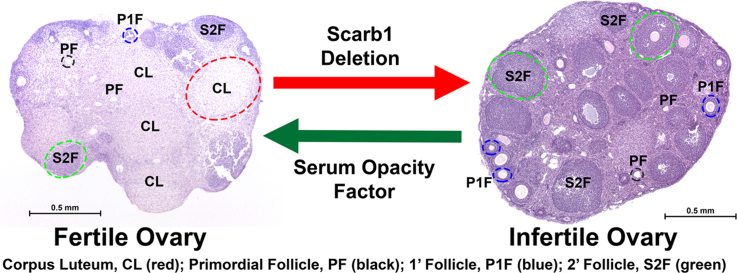
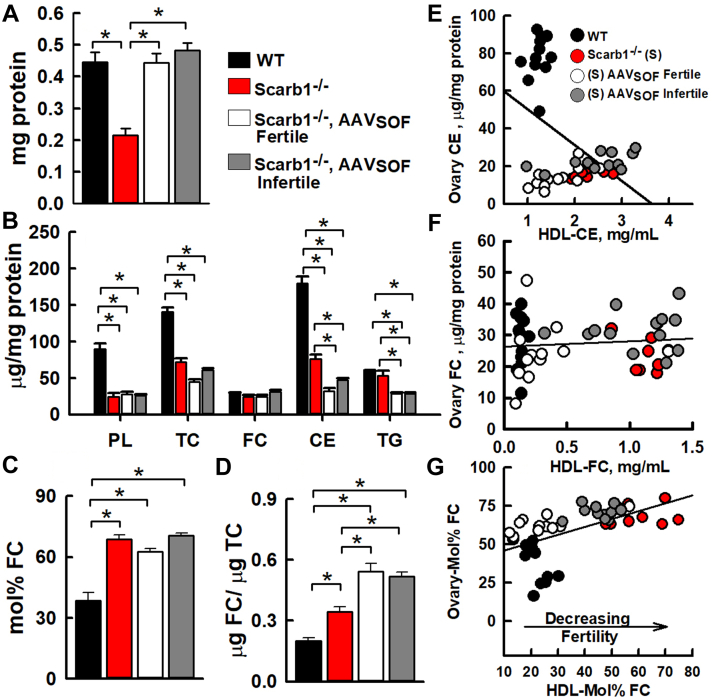
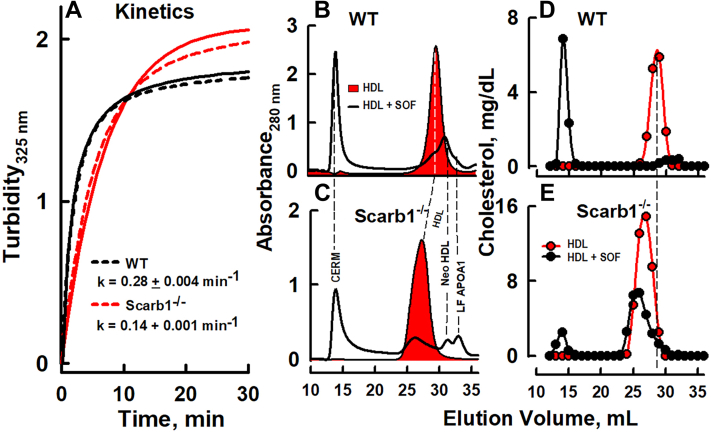
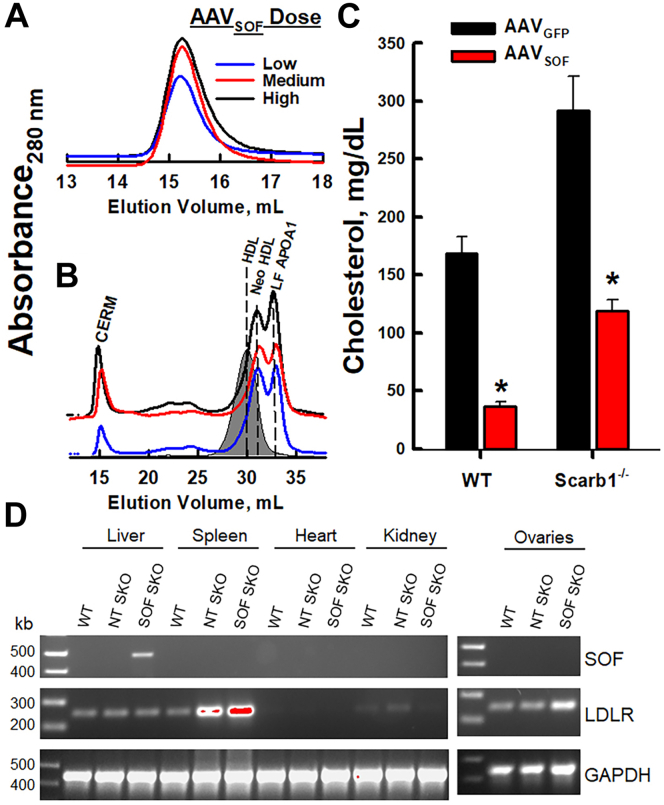
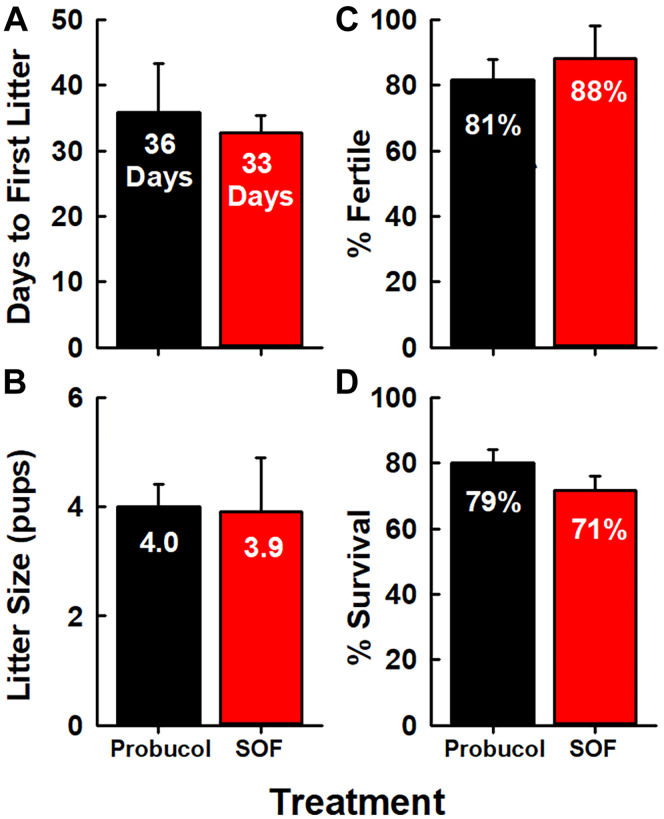
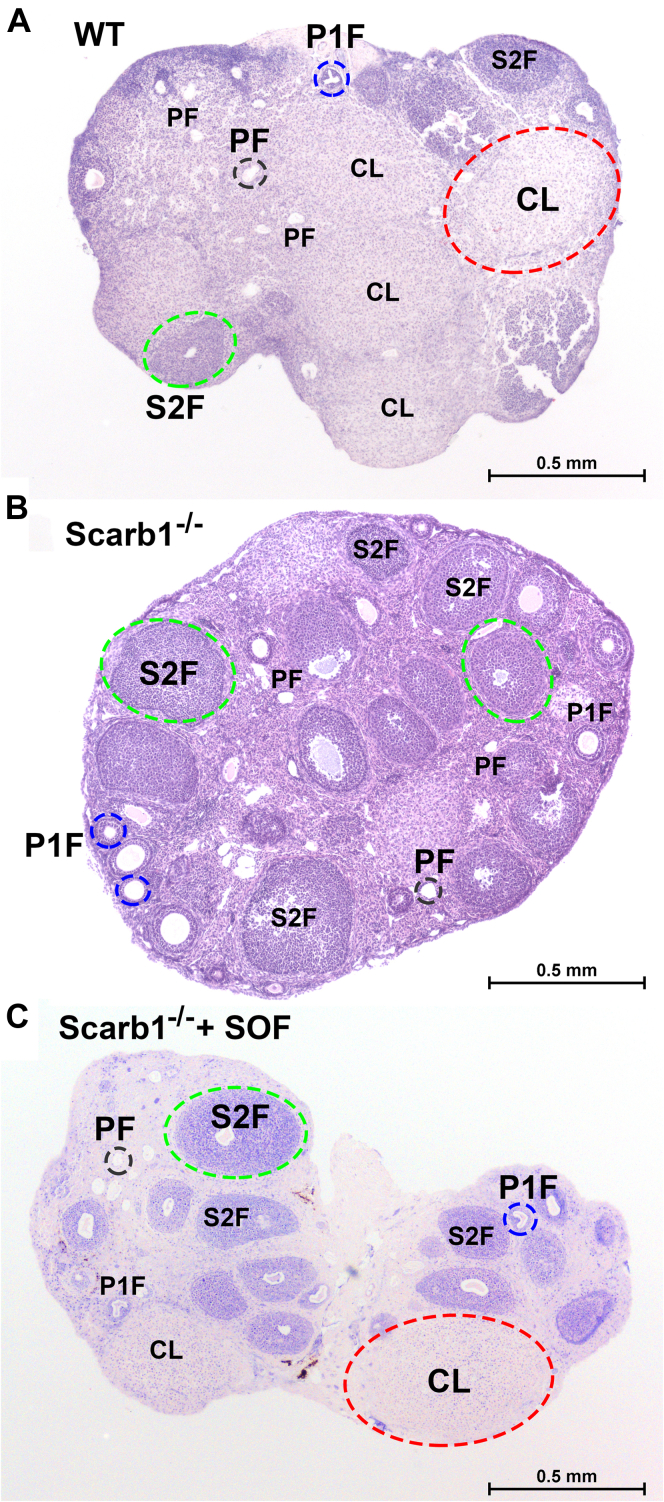
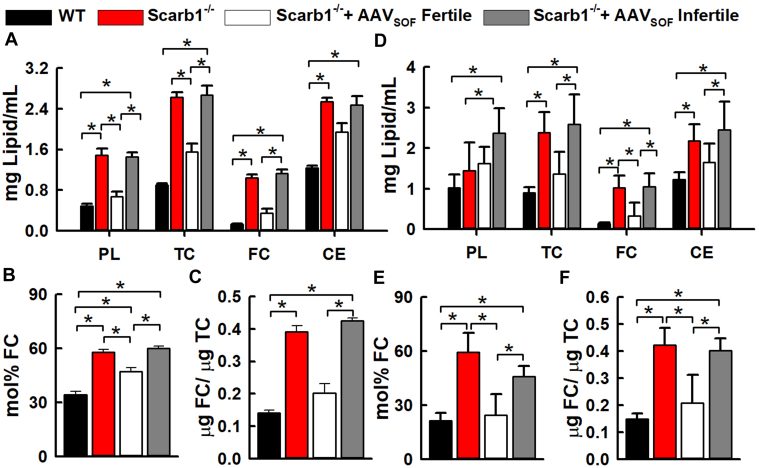
Human female infertility, 20% of which is idiopathic, is a public health problem for which better diagnostics and therapeutics are needed. A novel cause of infertility emerged from studies of female mice deficient in the HDL receptor gene (Scarb1). These mice are infertile and have high plasma HDL cholesterol (C) concentrations, due to elevated HDL-free cholesterol (FC), which transfers from HDL to all tissues. Previous studies have indicated that oral delivery of probucol, an HDL-lowering drug, to female Scarb1 mice reduces plasma HDL-C concentrations and rescues fertility. Additionally, serum opacity factor (SOF), a bacterial virulence factor, disrupts HDL structure, and bolus SOF injection into mice reduces plasma HDL-C concentrations. Here, we discovered that delivering SOF to female Scarb1 mice with an adeno-associated virus (AAV) induces constitutive SOF expression, reduces HDL-FC concentrations, and rescues fertility while normalizing ovary morphology. Although AAV did not alter ovary-FC content, the ovary-mol% FC correlated with plasma HDL-mol% FC in a fertility-dependent way. Therefore, reversing the abnormal plasma microenvironment of high plasma HDL-mol% FC in female Scarb1 mice rescues fertility. These data provide the rationale to search for similar mechanistic links between HDL-mol% FC and infertility and the rescue of fertility in women by reducing plasma HDL-mol% FC.
人类女性不孕不育的发病率为 20%,其中 20%的病例病因不明,这是一个公共健康问题,需要更好的诊断和治疗方法。一项关于缺乏高密度脂蛋白受体基因(Scarb1)的雌性小鼠的研究发现了一种新的不孕不育原因。这些小鼠由于高密度脂蛋白游离胆固醇(FC)升高,导致高密度脂蛋白(HDL)无胆固醇(FC)从 HDL 转移到所有组织,因此出现不孕不育和高血浆高密度脂蛋白胆固醇(C)浓度。先前的研究表明,向 Scarb1 雌性小鼠口服降低 HDL 药物普罗布考可降低血浆 HDL-C 浓度并恢复生育能力。此外,血清不透明度因子(SOF),一种细菌毒力因子,可破坏 HDL 结构,向小鼠注射 SOF 可降低血浆 HDL-C 浓度。在这里,我们发现用腺相关病毒(AAV)向 Scarb1 雌性小鼠递送 SOF 会诱导 SOF 持续表达,降低 HDL-FC 浓度并恢复生育能力,同时使卵巢形态正常化。虽然 AAV 没有改变卵巢-FC 含量,但卵巢-mol%FC 与血浆 HDL-mol%FC 呈生育能力依赖的相关性。因此,纠正 Scarb1 雌性小鼠高血浆 HDL-mol%FC 的异常血浆微环境可恢复生育能力。这些数据为寻找 HDL-mol%FC 与不孕不育之间类似的机制联系以及通过降低血浆 HDL-mol%FC 来恢复女性生育能力提供了依据。