Wang Jing, Han Ying, Wang Man, Li He, Sun Yujiao, Chen Xuefeng
School of Food and Biological Engineering Shaanxi University of Science & Technology Xi'An China.
Nanyuan Hospital Beijing China.
Food Sci Nutr. 2022 Sep 27;11(1):443-457. doi: 10.1002/fsn3.3076. eCollection 2023 Jan.
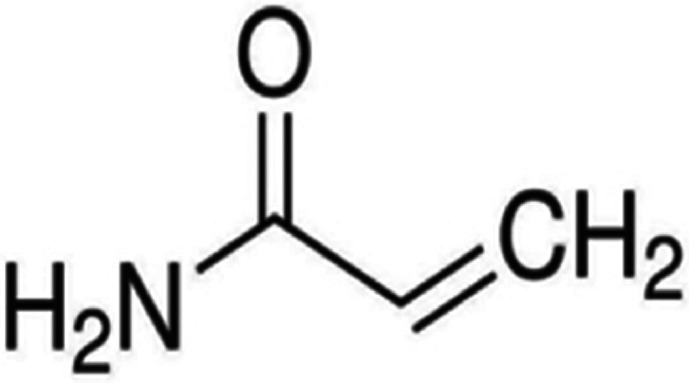
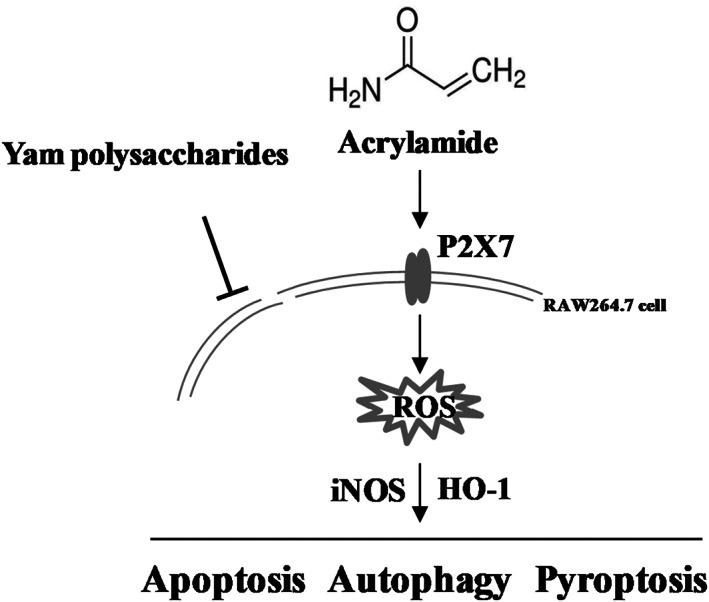
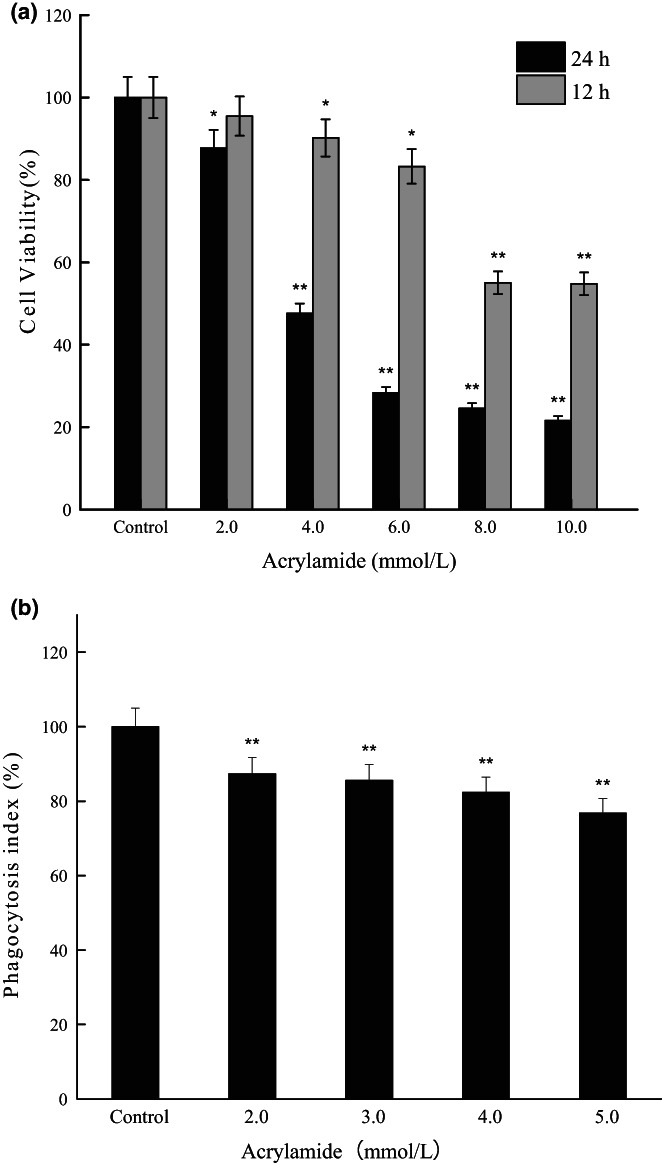
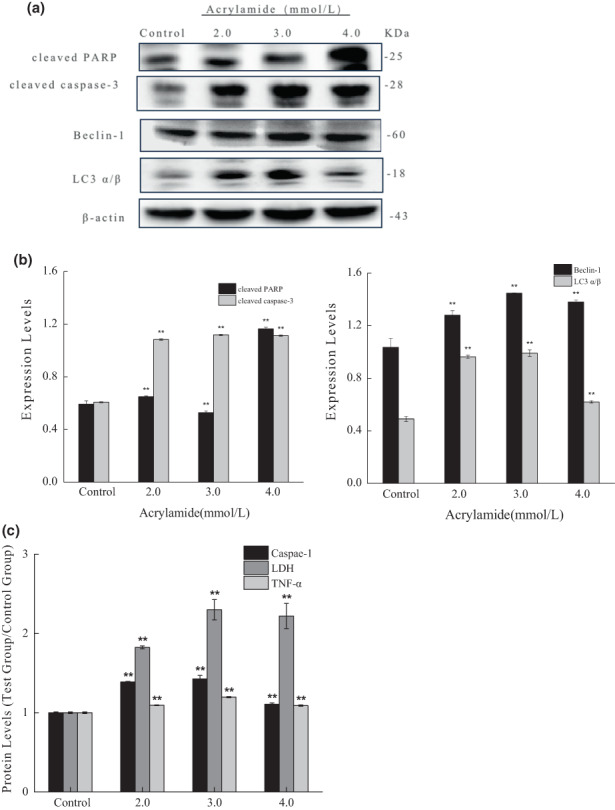
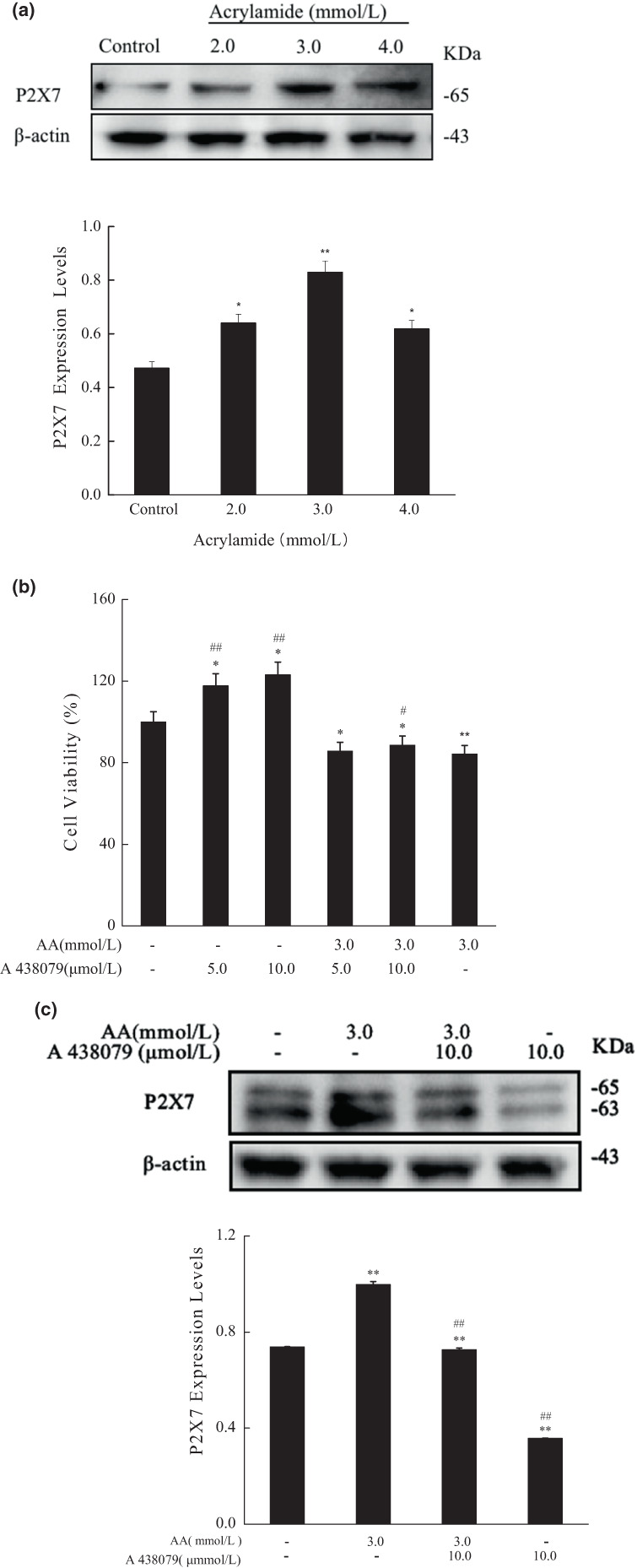
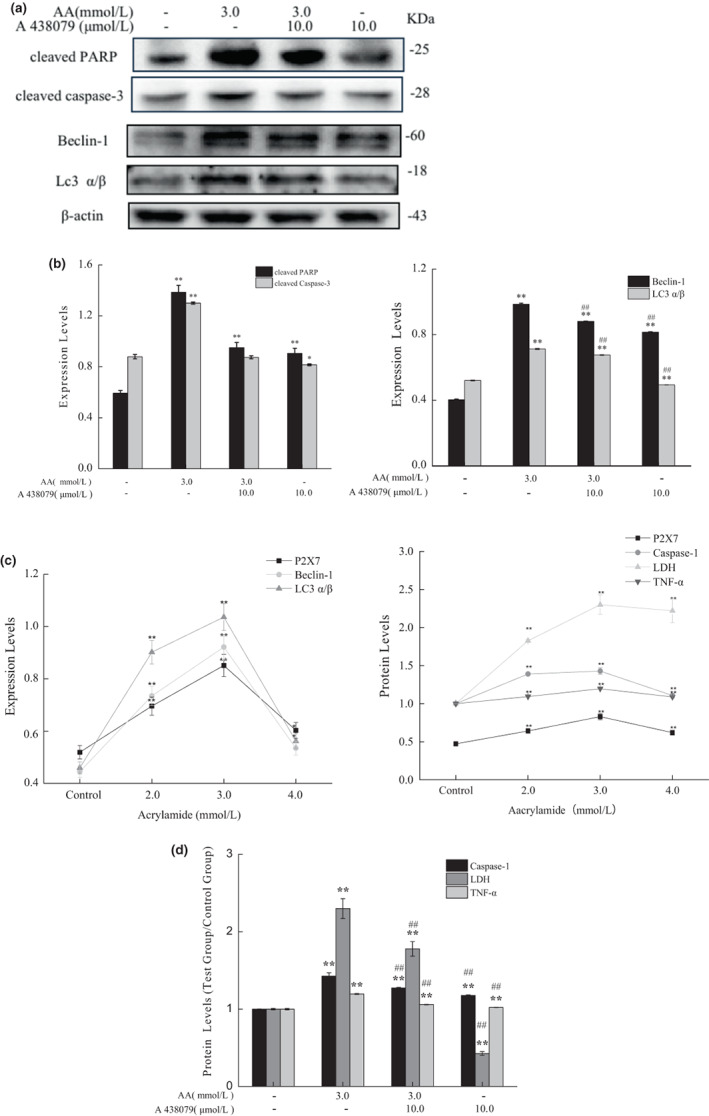
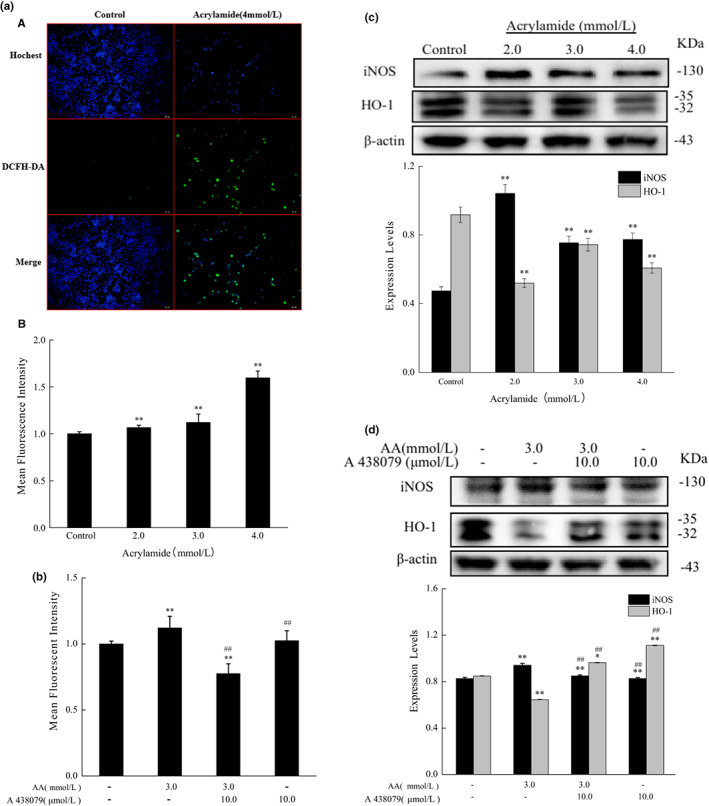
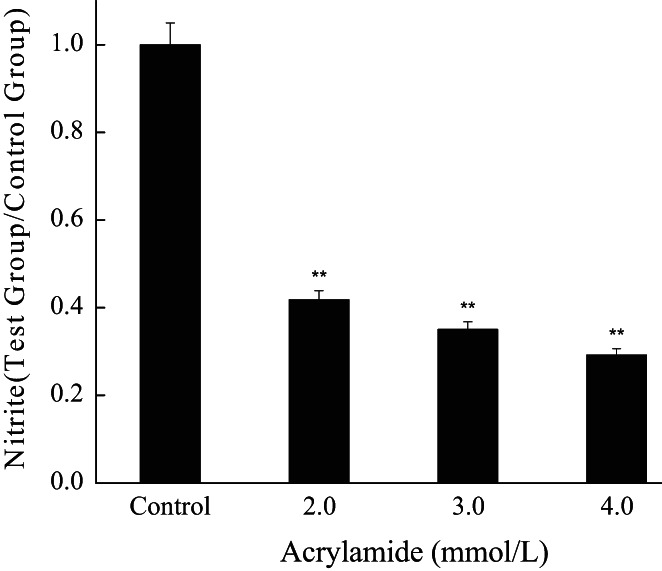
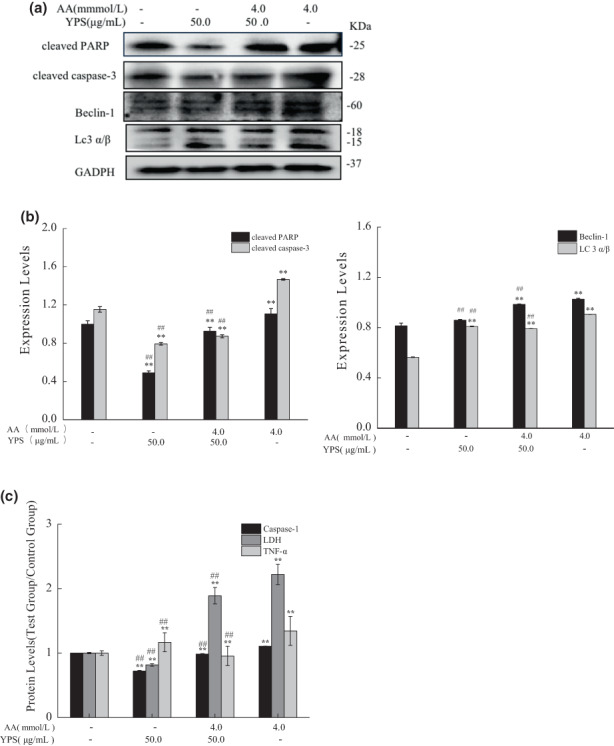
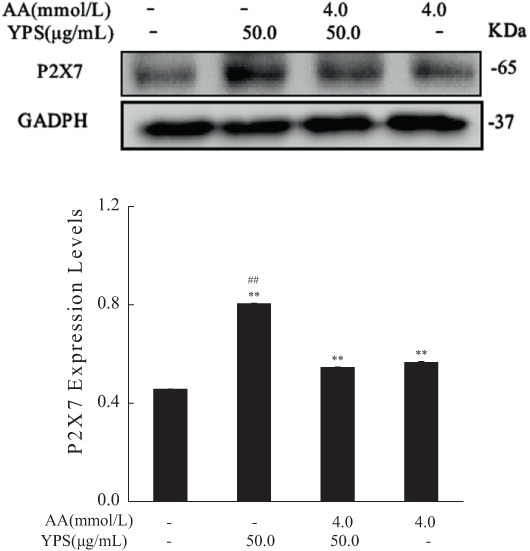
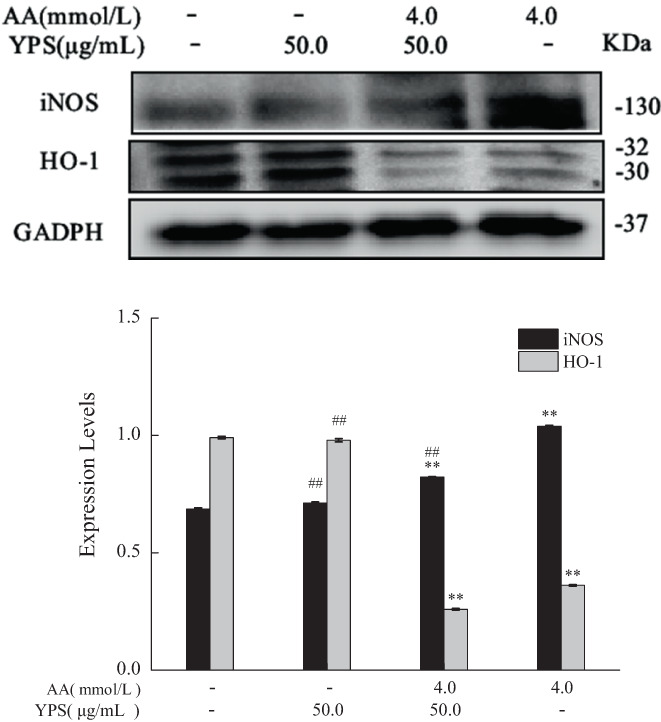
Acrylamide has been well known for its neurotoxicity, genotoxicity, carcinogenicity, etc. Recently, the immunotoxicity of acrylamide has been reported by different research groups, although the underlying mechanisms of acrylamide endangering immune systems have not been fully elucidated. In this study, mouse monocyte-macrophage cells model was used to clarify the toxic mechanism of acrylamide and the inhibitory effect of Yam polysaccharides (YPS) on acrylamide-induced damage. We found that acrylamide induced RAW 264.7 cell death in a time- and concentration-dependent manner. After acrylamide (2.0, 3.0, 4.0 mmol/L) treatment for 24 h, cell apoptosis, autophagy, and pyroptosis were observed. However, the levels of autophagy and pyroptosis decreased at a high concentration of acrylamide (4.0 mmol/L). Acrylamide upregulated P2X7 expression, but the P2X7 level was not showing a monotone increasing trend. When the P2X7 antagonist was applied, the effect of acrylamide on autophagy and pyroptosis was weakened. Additionally, acrylamide triggered the occurrence of oxidative stress and a decreased nitric oxide (NO) level. However, reactive oxygen species (ROS) generation, the decrease of heme oxygenase-1 (HO-1) expression, and the increase of inducible nitric oxide synthase (iNOS) expression were reversed by the inhibition of P2X7. Yam polysaccharides (50.0 μg/ml) significantly inhibited acrylamide-induced oxidative stress and cell death (including apoptosis, autophagy, and pyroptosis). Yam polysaccharides also effectively reversed the increase of iNOS expression induced by acrylamide. However, Yam polysaccharides promoted the expression of P2X7 rather than prohibit it. These results indicated that acrylamide caused RAW 264.7 cell death due to pro-apoptosis as well as excessive autophagy and pyroptosis. Apoptosis might be more predominant than autophagy and pyroptosis under a higher concentration of acrylamide (4.0 mmol/L). P2X7-stimulated oxidative stress was responsible for acrylamide-induced programmed cell death (PCD), but P2X7 showed limited regulatory effect on apoptosis. Yam polysaccharides with antioxidant activity inhibited acrylamide-induced cell death (apoptosis, autophagy, and pyroptosis), but exerted limited effect on the acrylamide-induced P2X7 expression. These findings would offer an insight into elucidating the immunotoxic mechanism of acrylamide and the potential approaches to control its toxicity.
丙烯酰胺因其神经毒性、遗传毒性、致癌性等而广为人知。最近,不同研究小组报道了丙烯酰胺的免疫毒性,尽管丙烯酰胺危害免疫系统的潜在机制尚未完全阐明。在本研究中,使用小鼠单核巨噬细胞模型来阐明丙烯酰胺的毒性机制以及山药多糖(YPS)对丙烯酰胺诱导损伤的抑制作用。我们发现丙烯酰胺以时间和浓度依赖性方式诱导RAW 264.7细胞死亡。用丙烯酰胺(2.0、3.0、4.0 mmol/L)处理24小时后,观察到细胞凋亡、自噬和焦亡。然而,在高浓度丙烯酰胺(4.0 mmol/L)下,自噬和焦亡水平降低。丙烯酰胺上调P2X7表达,但P2X7水平未呈单调增加趋势。当应用P2X7拮抗剂时,丙烯酰胺对自噬和焦亡的作用减弱。此外,丙烯酰胺引发氧化应激并降低一氧化氮(NO)水平。然而,通过抑制P2X7可逆转活性氧(ROS)生成、血红素加氧酶-1(HO-1)表达的降低以及诱导型一氧化氮合酶(iNOS)表达的增加。山药多糖(50.0 μg/ml)显著抑制丙烯酰胺诱导的氧化应激和细胞死亡(包括凋亡、自噬和焦亡)。山药多糖还有效逆转了丙烯酰胺诱导的iNOS表达增加。然而,山药多糖促进而非抑制P2X7的表达。这些结果表明,丙烯酰胺导致RAW 264.7细胞死亡是由于促凋亡以及过度的自噬和焦亡。在较高浓度丙烯酰胺(4.0 mmol/L)下,凋亡可能比自噬和焦亡更占主导。P2X7刺激的氧化应激是丙烯酰胺诱导的程序性细胞死亡(PCD)的原因,但P2X7对凋亡的调节作用有限。具有抗氧化活性的山药多糖抑制丙烯酰胺诱导的细胞死亡(凋亡、自噬和焦亡),但对丙烯酰胺诱导的P2X7表达作用有限。这些发现将为阐明丙烯酰胺的免疫毒性机制以及控制其毒性的潜在方法提供见解。