Gonzalez Jose M, Villarreal Carorina, Fasci Anjelyka, Rocco David Di, Salazar Sophia, Khalil Anis, Wearden Brandt, Oseghale Jessica, Garcia Mariana, Portillo Daniel J, Hood R Lyle
Department of Mechanical Engineering, The University of Texas at San Antonio, 1 UTSA Circle, San Antonio, TX 78249, USA.
Department of Biomedical Engineering, The University of Texas at San Antonio, 1 UTSA Circle, San Antonio, TX 78249, USA.
Bioengineering (Basel). 2022 Dec 20;10(1):2. doi: 10.3390/bioengineering10010002.
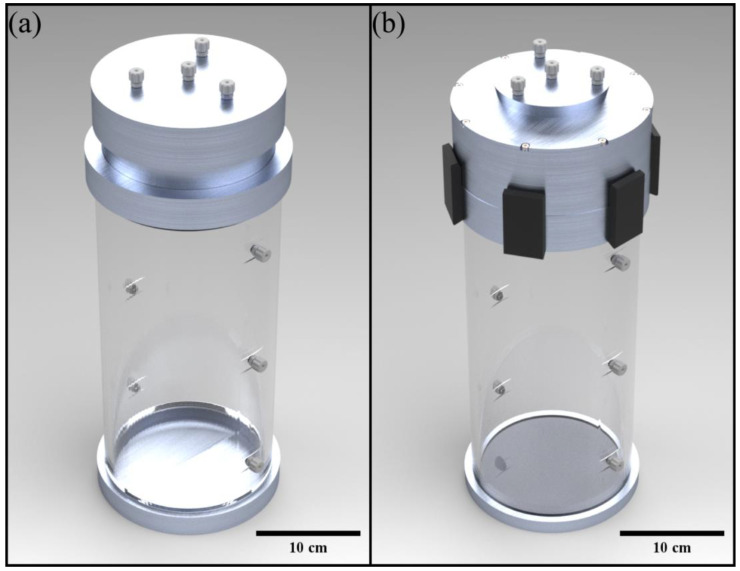
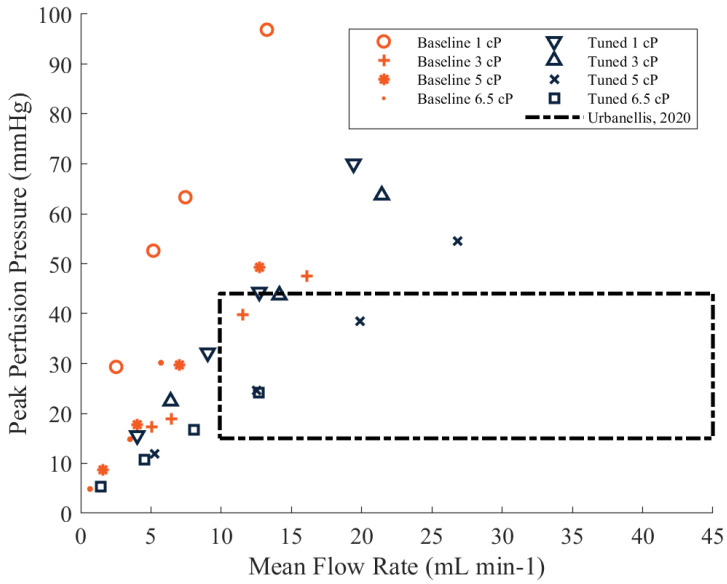
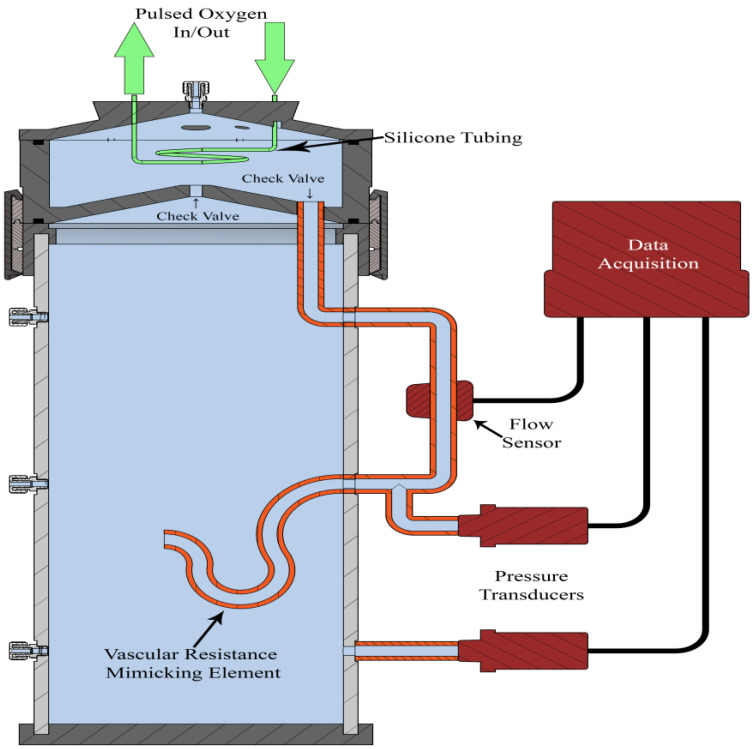
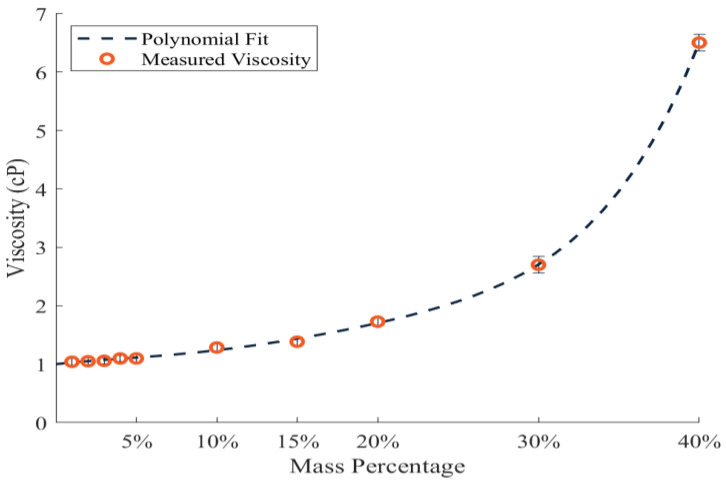
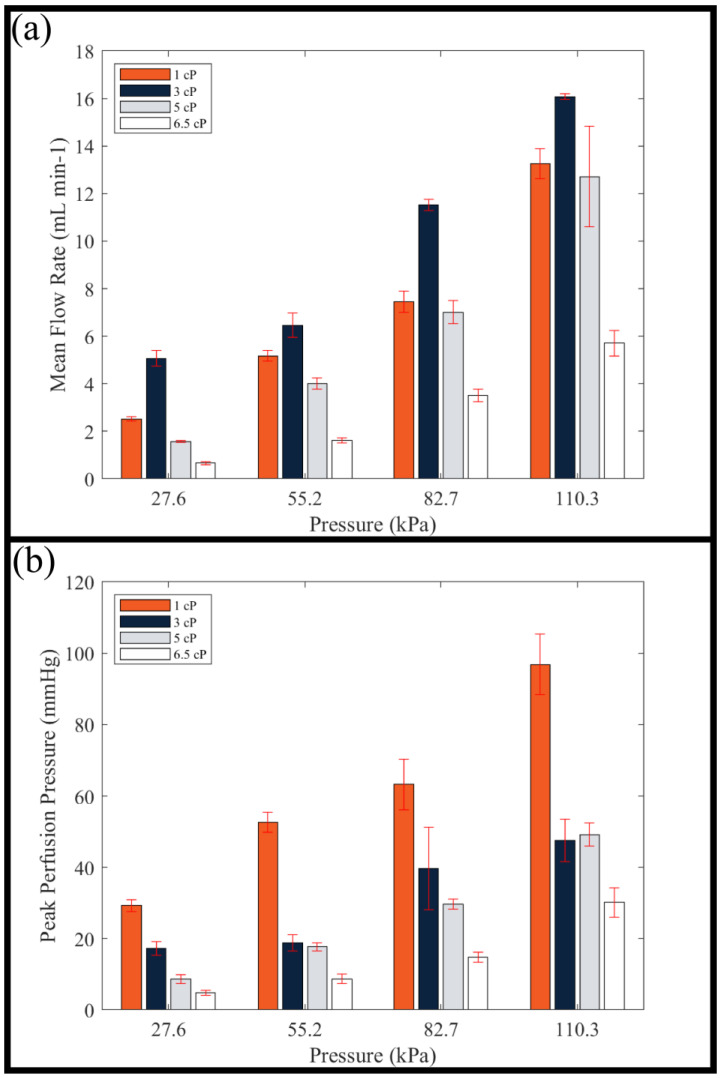
On the United States' Organ Transplantation Waitlist, approximately 17 people die each day waiting for an organ. The situation continues to deteriorate as the discrepancy between harvested organs and the number of patients in need is increasing. Static cold storage is the clinical standard method for preserving a harvested organ but is associated with several drawbacks. Machine perfusion of an organ has been shown to improve preservation quality as well as preservation time over static cold storage. While there are machine perfusion devices clinically available, they are costly and limited to specific organs and preservation solutions. This study presents a versatile oxygenating perfusion system (VOPS) that supplies oxygen and pulsatile perfusion. Experiments evaluated the system's performance with a human kidney mimicking hydraulic analog using multiple compressed oxygen supply pressures and aqueous solutions with viscosities ranging from 1 to 6.5 cP, which simulated viscosities of commonly used organ preservation solutions. The VOPS produced mean flow rates ranging from 0.6 to 28.2 mL/min and perfusion pressures from 4.8 to 96.8 mmHg, which successfully achieved the desired perfusion parameters for human kidneys. This work provides evidence that the VOPS described herein has the versatility to perfuse organs using many of the clinically available preservation solutions.
在美国器官移植等待名单上,每天约有17人在等待器官的过程中死亡。随着获取的器官数量与有需求的患者数量之间的差距不断扩大,情况持续恶化。静态冷藏是保存获取器官的临床标准方法,但存在若干缺点。与静态冷藏相比,器官的机器灌注已被证明能提高保存质量以及延长保存时间。虽然临床上有可用的机器灌注设备,但它们成本高昂,且仅限于特定器官和保存溶液。本研究提出了一种提供氧气和搏动灌注的通用氧合灌注系统(VOPS)。实验使用多种压缩氧气供应压力以及粘度范围为1至6.5厘泊的水溶液(模拟常用器官保存溶液的粘度),通过模拟人体肾脏的液压模拟物评估了该系统的性能。VOPS产生的平均流速范围为0.6至28.2毫升/分钟,灌注压力为4.8至96.8毫米汞柱,成功实现了人体肾脏所需的灌注参数。这项工作提供了证据,证明本文所述的VOPS具有使用许多临床上可用的保存溶液灌注器官的通用性。