Division of Neonatology, Department of Pediatrics, Leiden University Medical Center (LUMC), Leiden, The Netherlands.
Department of Industrial Design Engineering, Delft University of Technology, Delft, The Netherlands.
Pediatr Res. 2023 Aug;94(2):450-457. doi: 10.1038/s41390-023-02482-9. Epub 2023 Jan 24.
Hand hygiene (HH) is the most critical measure in the prevention of nosocomial infections in the neonatal intensive care unit (NICU). Improving and sustaining adequate HH compliance rates, however, remains a significant challenge. Using a behavioral change framework and nudge theory, we developed a design-based concept aimed at facilitating and stimulating HH behavior.
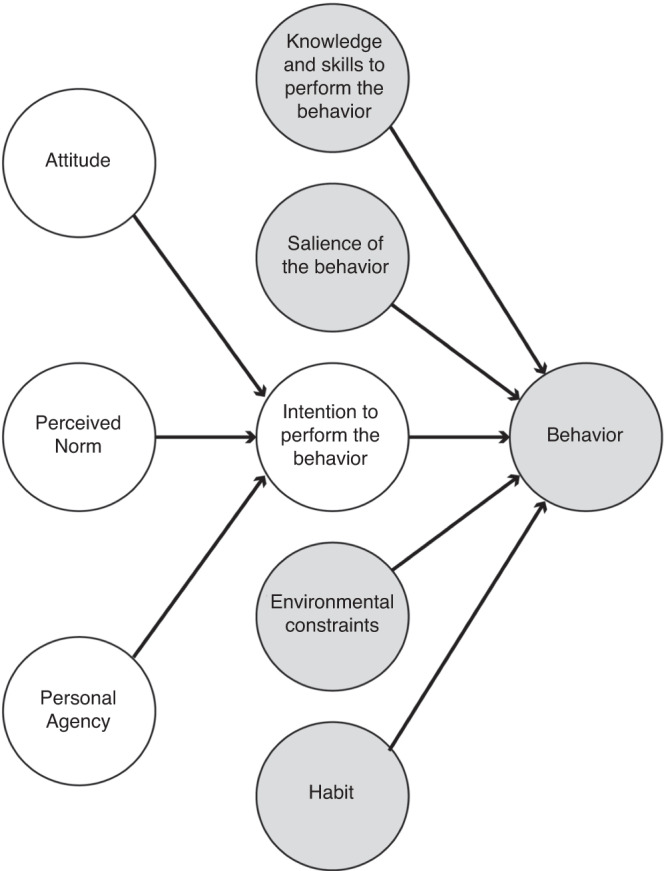
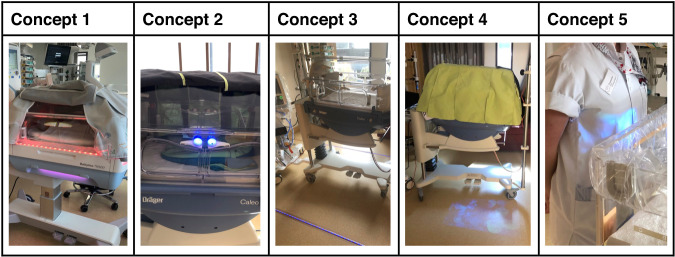
Concept development was initiated by selecting a theoretical framework after which contextual field studies aimed at discovering causes for poor compliance were conducted. Potential solutions were brainstormed upon during focus group sessions. Low-fidelity prototypes were tested regarding feasibility, usability, and acceptability. A final concept was crafted drawing from findings from each design phase.
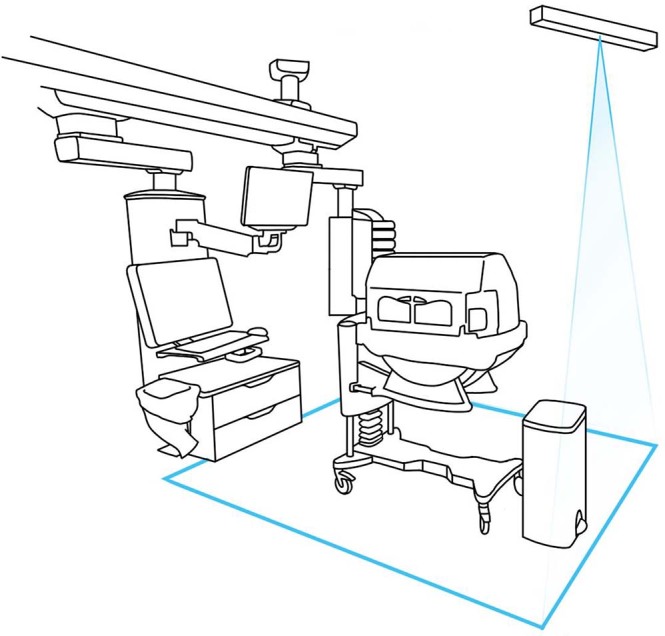
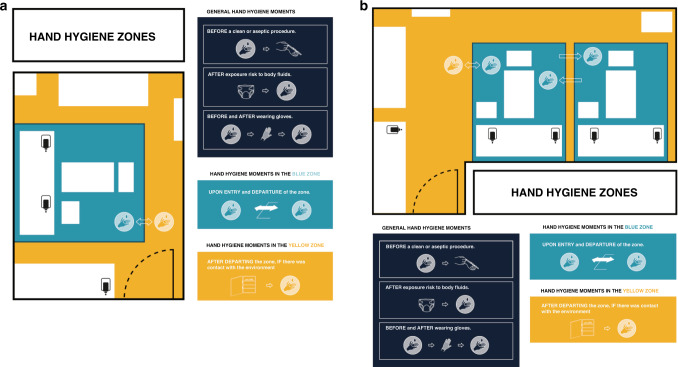
Complying with recommended HH guidelines is unrealistic and infeasible due to frequent competing (clinical) priorities requiring HH. The concept "Island-based nursing," where a patient room is divided into two geographical areas, namely, the island and general zone, was created. HH must be performed upon entering and exiting the island zone, and after exposure to any surface within the general zone. Reminding of HH is prompted by illuminated demarcation of the island zone, serving as the concept's nudge.
Island zone demarcation facilitates and economizes HH indications in an innovative and intuitive manner.
Although hand hygiene (HH) is the single most important element in the prevention of nosocomial infections in neonates, improving and sustaining adequate HH compliance rates remains a significant challenge. Complying with recommended HH guidelines was found to be unrealistic and infeasible due to the significant amount of time required for HH in a setting with a high workload and many competing (clinical) priorities. The concept of "Island-based nursing," under which the primary HH indication is upon entering and exiting the island zone, facilitates and economizes HH indications in an innovative and user-friendly manner.
手卫生(HH)是预防新生儿重症监护病房(NICU)医院感染的最关键措施。然而,提高和维持足够的 HH 依从率仍然是一个重大挑战。我们使用行为改变框架和助推理论,开发了一种基于设计的概念,旨在促进和刺激 HH 行为。
概念开发首先选择了一个理论框架,然后进行了旨在发现低依从率原因的情境实地研究。在焦点小组会议上进行了头脑风暴以寻找潜在的解决方案。对低保真原型进行了测试,以评估其可行性、可用性和可接受性。最终的概念是从每个设计阶段的发现中提炼出来的。
由于频繁的竞争(临床)优先级需要 HH,因此遵守推荐的 HH 指南是不现实和不可行的。创建了“基于岛屿的护理”概念,即将患者房间分为两个地理区域,即岛屿区和一般区。进入和离开岛屿区以及在一般区接触任何表面后,必须进行 HH。通过照亮岛屿区域的边界来提示 HH,这是该概念的助推器。
岛屿区域的划分以创新和直观的方式促进和简化 HH 指征。
尽管手卫生(HH)是预防新生儿医院感染的最重要因素,但提高和维持足够的 HH 依从率仍然是一个重大挑战。由于工作量大且存在许多竞争(临床)优先级,因此发现遵守推荐的 HH 指南不切实际且不可行。“基于岛屿的护理”概念的主要 HH 指征是进入和离开岛屿区,以创新和用户友好的方式促进和简化 HH 指征。