Department of Pathology and Laboratory Medicine, Center for Viral Pathogenesis, University of Kansas Medical Center, 3901 Rainbow Boulevard, Kansas City, KS, 66160, USA.
Mol Cancer. 2023 Jan 25;22(1):18. doi: 10.1186/s12943-023-01721-1.
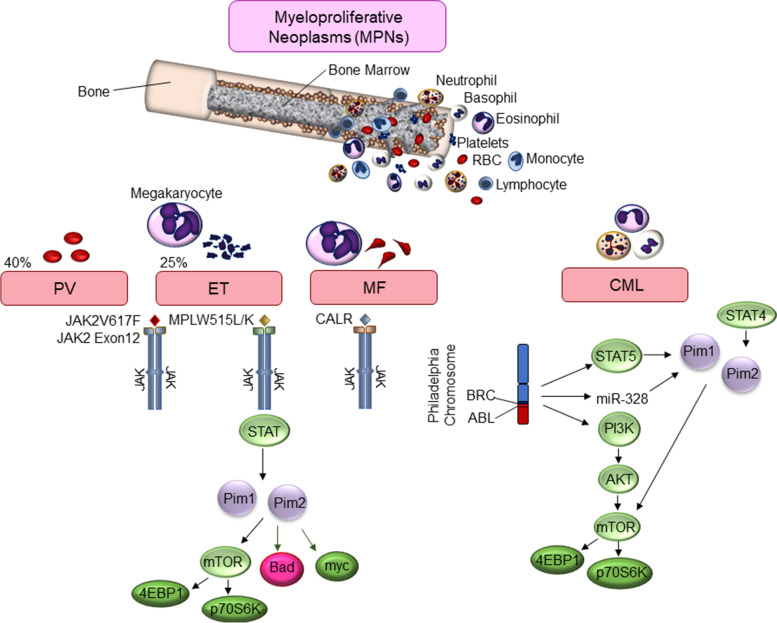
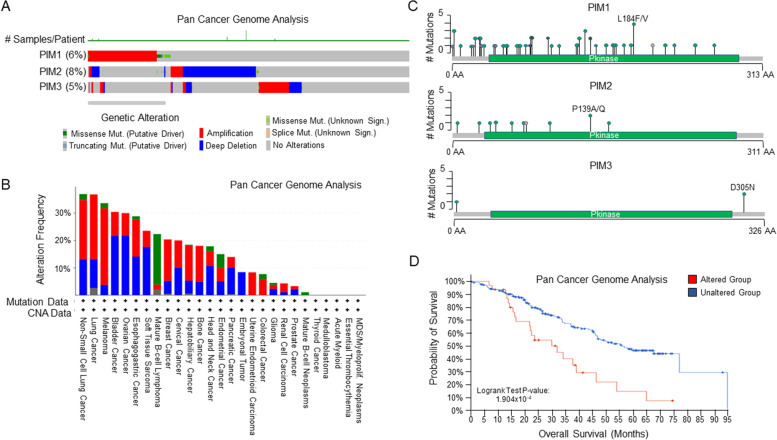
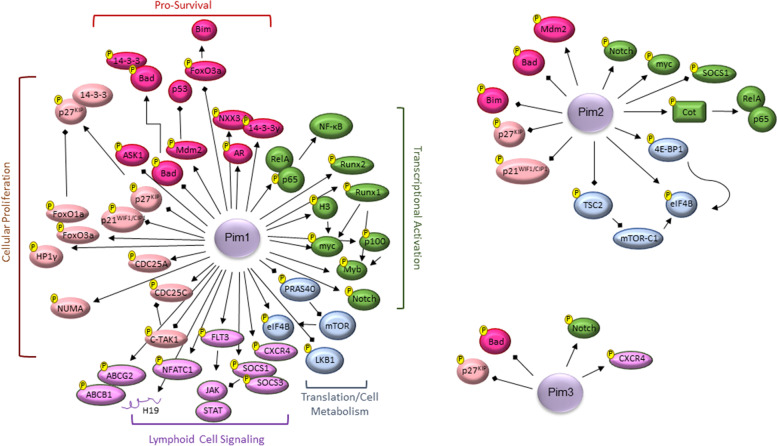
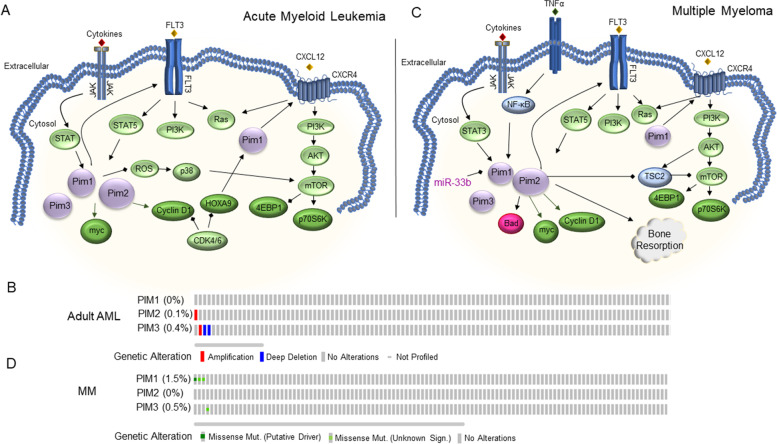
Decades of research has recognized a solid role for Pim kinases in lymphoproliferative disorders. Often up-regulated following JAK/STAT and tyrosine kinase receptor signaling, Pim kinases regulate cell proliferation, survival, metabolism, cellular trafficking and signaling. Targeting Pim kinases represents an interesting approach since knock-down of Pim kinases leads to non-fatal phenotypes in vivo suggesting clinical inhibition of Pim may have less side effects. In addition, the ATP binding site offers unique characteristics that can be used for the development of small inhibitors targeting one or all Pim isoforms. This review takes a closer look at Pim kinase expression and involvement in hematopoietic cancers. Current and past clinical trials and in vitro characterization of Pim kinase inhibitors are examined and future directions are discussed. Current studies suggest that Pim kinase inhibition may be most valuable when accompanied by multi-drug targeting therapy.
几十年来的研究已经认识到 Pim 激酶在淋巴增生性疾病中的重要作用。Pim 激酶通常在 JAK/STAT 和酪氨酸激酶受体信号转导后上调,调节细胞增殖、存活、代谢、细胞运输和信号转导。靶向 Pim 激酶是一种很有前途的方法,因为敲低 Pim 激酶会导致体内非致命表型,这表明临床抑制 Pim 可能副作用较小。此外,ATP 结合位点具有独特的特征,可用于开发针对一种或所有 Pim 同工型的小分子抑制剂。本文更详细地探讨了 Pim 激酶在造血系统癌症中的表达和参与情况。目前和过去的临床试验以及 Pim 激酶抑制剂的体外特征进行了检查,并讨论了未来的发展方向。目前的研究表明,当 Pim 激酶抑制与多药物靶向治疗联合使用时,可能最有价值。