Petersen Wolf, Bierke Sebastian, Stöhr Amelie, Stoffels Thomas, Häner Martin
Klinik für Orthopädie und Unfallchirurgie, Martin Luther Krankenhaus, Caspar Theyß Strasse 27-31, 14193, Berlin, Grunewald, Berlin, Germany.
Orthopädische Chirurgie München, Munich, Germany.
J Exp Orthop. 2023 Jan 25;10(1):7. doi: 10.1186/s40634-023-00577-0.
Aim of this systematic review was to analyze the outcome after transphyseal ACL reconstruction in children and adolescents regarding the femoral drilling technique.
A systematic literature search was carried out in various databases on studies on transphyseal ACL reconstruction in children and adolescents. The literature search was limited to the last 20 years. Primary outcome criterion was the failure rate. Secondary outcome criteria were growth disturbances such as leg length discrepancies or deformities and clinical scores. The present study was registered prospectively ( www.crd.york.ac.uk/PROSPERO ; CRD42022345964).
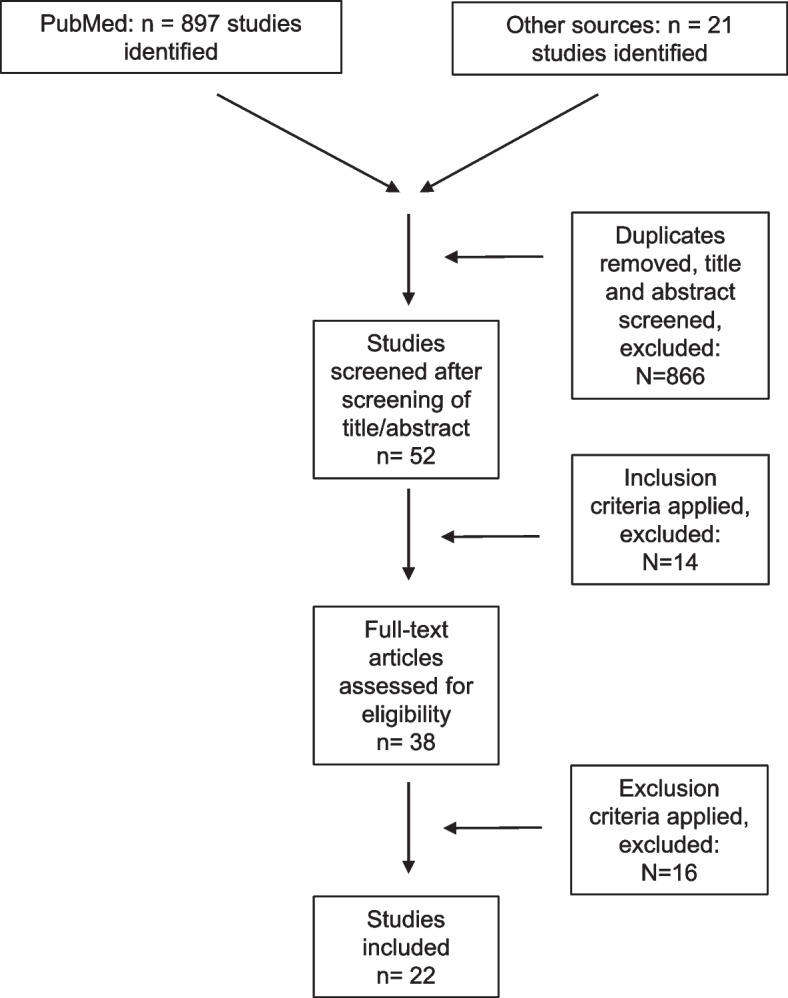
A total of 22 retrospective or prospective case series (level 4 evidence) were identified that reported on transphyseal ACL reconstruction in children and adolescents. The overall failure/rupture rate after transphyseal ACL reconstruction was 11.0%. The overall ACL rupture rate of the contralateral side was 9.7%. No statistical significant difference in the failure rates between independent and transtibial drilling techniques could be detected ((p = 0.76/p = 0.28)). Furthermore no statistical significant differences in the rate of reported growth disturbances between independent and transtibial drilling techniques were shown (p = 0.15). The reported clinical scores at follow-up (mean follow-up 5.05 years) revealed good to very good results.
This systematic review demonstrates that children and adolescents have a relatively high failure rate after transpyseal ACL reconstruction without any statistically significant differences between independent or transtibial drilling techniques regarding reruptur rates or the rate of growth disturbances. The results of this systematic review warrant a comparison of both techniques for femoral tunnel drilling in a controlled randomized trial.
本系统评价旨在分析儿童和青少年经骨骺前交叉韧带重建术后股骨钻孔技术的疗效。
在多个数据库中对儿童和青少年经骨骺前交叉韧带重建的研究进行系统文献检索。文献检索限于过去20年。主要结局标准为失败率。次要结局标准为生长障碍,如腿长差异或畸形以及临床评分。本研究已进行前瞻性注册(www.crd.york.ac.uk/PROSPERO;CRD42022345964)。
共确定了22个回顾性或前瞻性病例系列(4级证据),报告了儿童和青少年经骨骺前交叉韧带重建情况。经骨骺前交叉韧带重建术后的总体失败/破裂率为11.0%。对侧的总体前交叉韧带破裂率为9.7%。在独立钻孔技术和经胫骨钻孔技术之间未检测到失败率的统计学显著差异((p = 0.76/p = 0.28))。此外,独立钻孔技术和经胫骨钻孔技术之间报告的生长障碍发生率也未显示出统计学显著差异(p = 0.15)。随访时报告的临床评分(平均随访5.05年)显示结果良好至非常好。
本系统评价表明,儿童和青少年经骨骺前交叉韧带重建术后失败率相对较高,在再破裂率或生长障碍发生率方面,独立钻孔技术和经胫骨钻孔技术之间无任何统计学显著差异。本系统评价的结果值得在一项对照随机试验中对两种股骨隧道钻孔技术进行比较。