Girish Vishruth, Lakhani Asad A, Scaduto Christine M, Thompson Sarah L, Brown Leanne M, Hagenson Ryan A, Sausville Erin L, Mendelson Brianna E, Lukow Devon A, Yuan Monet Lou, Kandikuppa Pranav K, Stevens Eric C, Lee Sophia N, Salovska Barbora, Li Wenxue, Smith Joan C, Taylor Alison M, Martienssen Robert A, Liu Yansheng, Sun Ruping, Sheltzer Jason M
Yale University School of Medicine, New Haven, CT 06511.
Johns Hopkins University School of Medicine, Baltimore, MD 21205.
bioRxiv. 2023 Jan 10:2023.01.09.523344. doi: 10.1101/2023.01.09.523344.
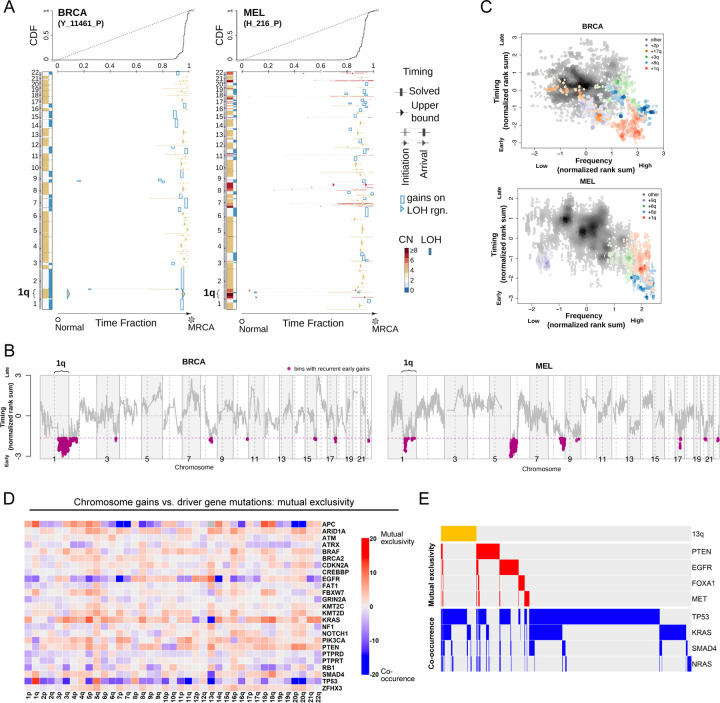
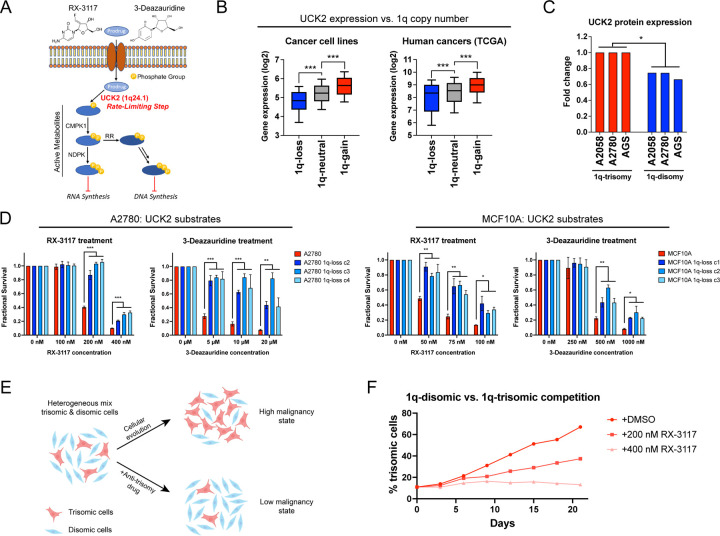
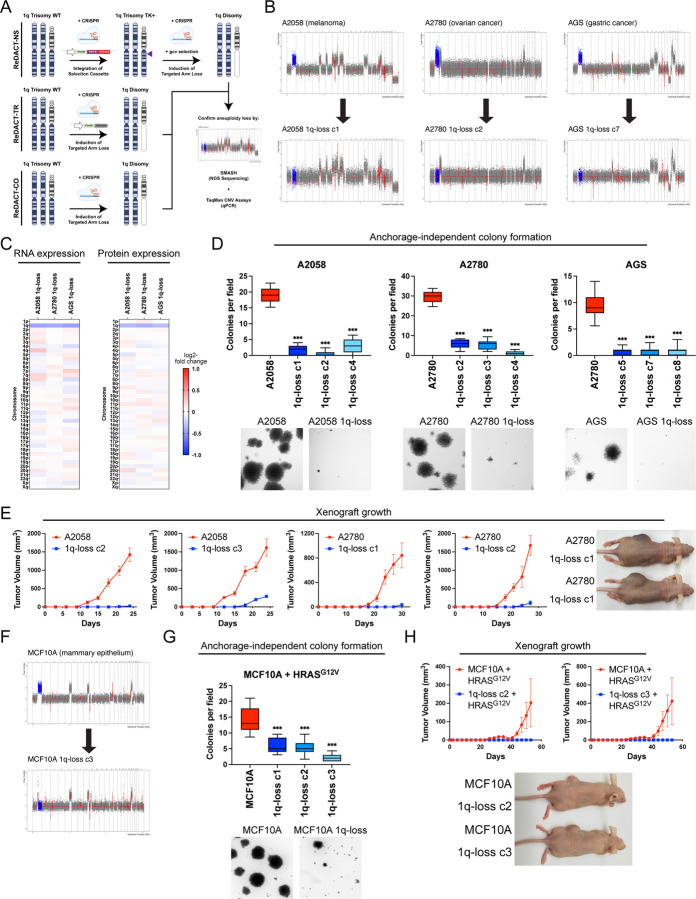
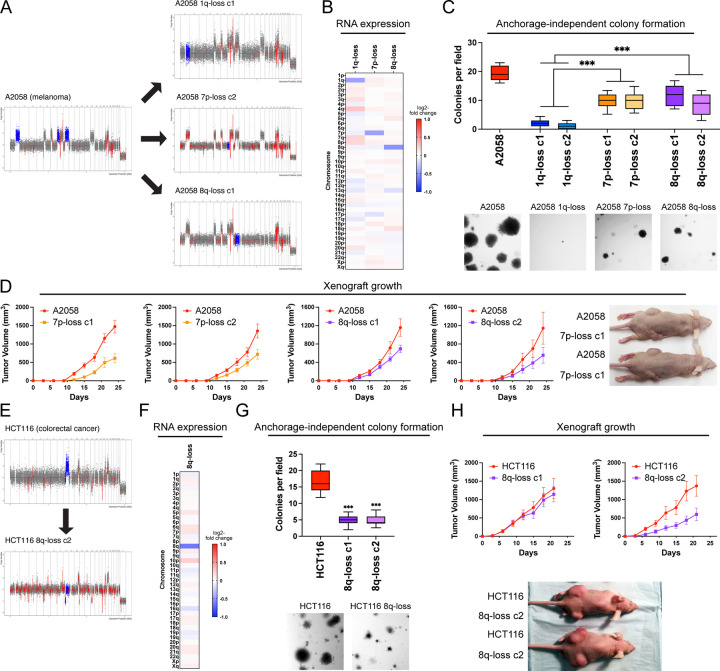
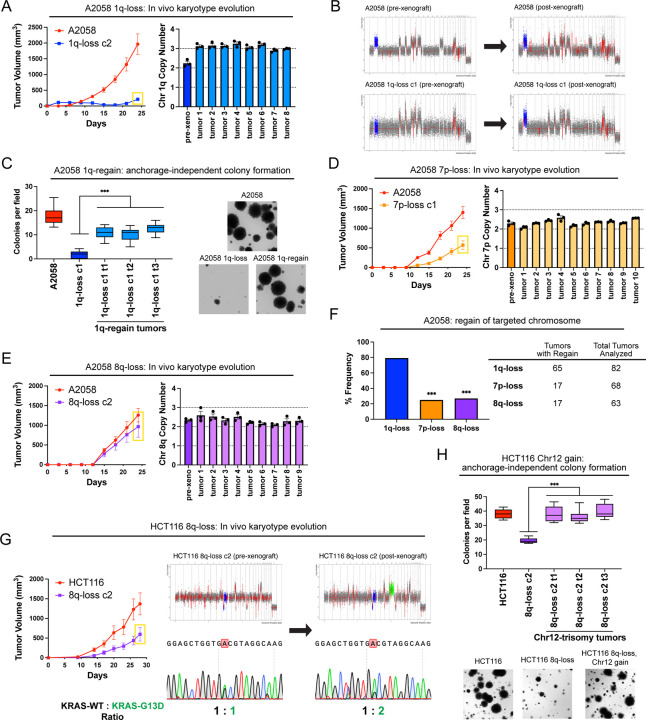
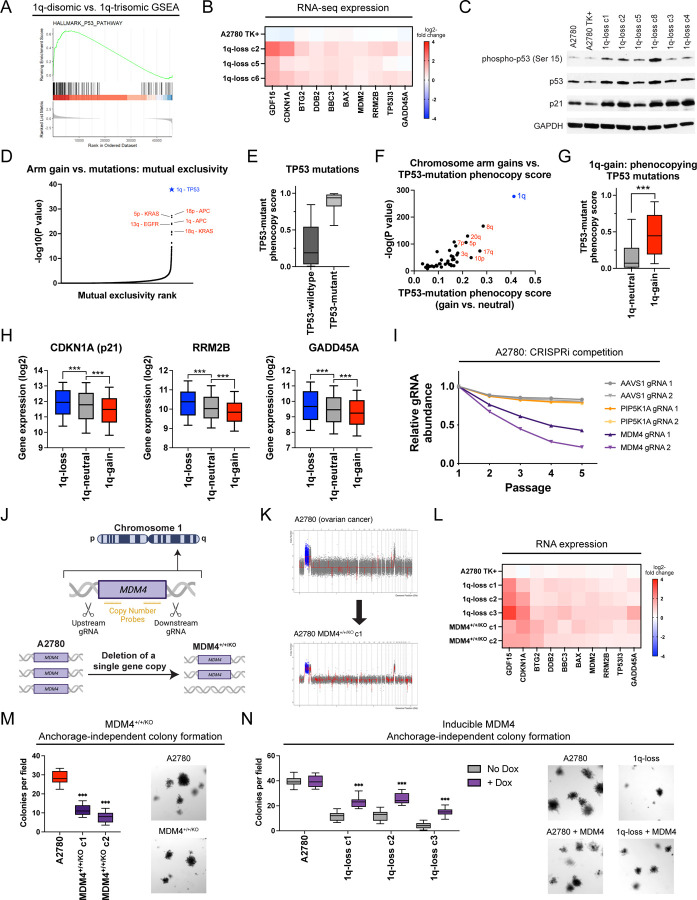
Most cancers exhibit aneuploidy, but its functional significance in tumor development is controversial. Here, we describe ReDACT (Restoring Disomy in Aneuploid cells using CRISPR Targeting), a set of chromosome engineering tools that allow us to eliminate specific aneuploidies from cancer genomes. Using ReDACT, we created a panel of isogenic cells that have or lack common aneuploidies, and we demonstrate that trisomy of chromosome 1q is required for malignant growth in cancers harboring this alteration. Mechanistically, gaining chromosome 1q increases the expression of MDM4 and suppresses TP53 signaling, and we show that TP53 mutations are mutually-exclusive with 1q aneuploidy in human cancers. Thus, specific aneuploidies play essential roles in tumorigenesis, raising the possibility that targeting these "aneuploidy addictions" could represent a novel approach for cancer treatment.
大多数癌症表现出非整倍体现象,但其在肿瘤发生发展中的功能意义仍存在争议。在此,我们描述了ReDACT(利用CRISPR靶向在非整倍体细胞中恢复二倍体),这是一组染色体工程工具,使我们能够从癌症基因组中消除特定的非整倍体。利用ReDACT,我们创建了一组具有或缺乏常见非整倍体的同基因细胞系,并证明在携带这种改变的癌症中,1号染色体长臂三体是恶性生长所必需的。从机制上讲,获得1号染色体长臂会增加MDM4的表达并抑制TP53信号传导,并且我们表明在人类癌症中TP53突变与1号染色体长臂非整倍体相互排斥。因此,特定的非整倍体在肿瘤发生中起着至关重要的作用,这增加了靶向这些“非整倍体成瘾”可能代表一种新型癌症治疗方法的可能性。