Muheim Christine M, Ford Kaitlyn, Medina Elizabeth, Singletary Kristan, Peixoto Lucia, Frank Marcos G
Washington State University Spokane, Department of Translational Medicine and Physiology, Sleep and Performance Research Center, Elson S. Floyd College of Medicine, Pharmaceutical and Biomedical Science Building 230, 412 E. Spokane Falls Blvd., Spokane WA 99202, USA.
WSU Health Sciences Spokane, Steve Gleason Institute for Neuroscience, 412 E. Spokane Falls Blvd., Spokane, WA 99202, USA.
bioRxiv. 2023 Jan 18:2023.01.16.524266. doi: 10.1101/2023.01.16.524266.
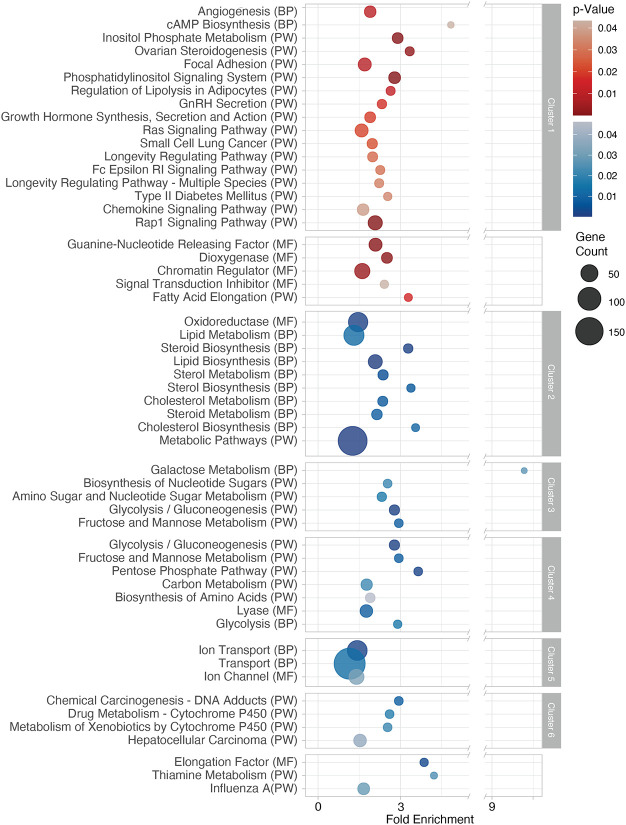
Sleep deprivation (SD) results in profound cellular and molecular changes in the adult mammalian brain. Some of these changes may result in, or aggravate, brain disease. However, little is known about how SD impacts gene expression in developing animals. We examined the transcriptional response in the prefrontal cortex (PFC) to SD across postnatal development in male mice. We used RNA sequencing to identify functional gene categories that were specifically impacted by SD. We find that SD has dramatically different effects on PFC genes depending on developmental age. Gene expression differences after SD fall into 3 categories: present at all ages (conserved), present when mature sleep homeostasis is first emerging, and those unique to certain ages in adults. Developmentally conserved gene expression was limited to a few functional categories, including Wnt-signaling which suggests that this pathway is a core mechanism regulated by sleep. In younger ages, genes primarily related to growth and development are affected while changes in genes related to metabolism are specific to the effect of SD in adults.
睡眠剥夺(SD)会导致成年哺乳动物大脑发生深刻的细胞和分子变化。其中一些变化可能会引发或加重脑部疾病。然而,关于SD如何影响发育中动物的基因表达,我们却知之甚少。我们研究了雄性小鼠出生后发育过程中前额叶皮质(PFC)对SD的转录反应。我们使用RNA测序来确定受SD特异性影响的功能基因类别。我们发现,根据发育年龄的不同,SD对PFC基因有着截然不同的影响。SD后的基因表达差异分为3类:在所有年龄段均存在(保守型)、在成熟睡眠稳态首次出现时存在,以及在成年特定年龄段特有的那些。发育保守的基因表达仅限于少数功能类别,包括Wnt信号通路,这表明该通路是受睡眠调节的核心机制。在较年轻的年龄段,主要与生长和发育相关的基因受到影响,而与代谢相关的基因变化则是SD对成年动物影响所特有的。