From the Department of Epidemiology, Columbia University Mailman School of Public Health, New York, NY.
Herbert Irving Comprehensive Cancer Center, Columbia University, New York, NY.
Epidemiology. 2023 Mar 1;34(2):175-185. doi: 10.1097/EDE.0000000000001565. Epub 2022 Nov 24.
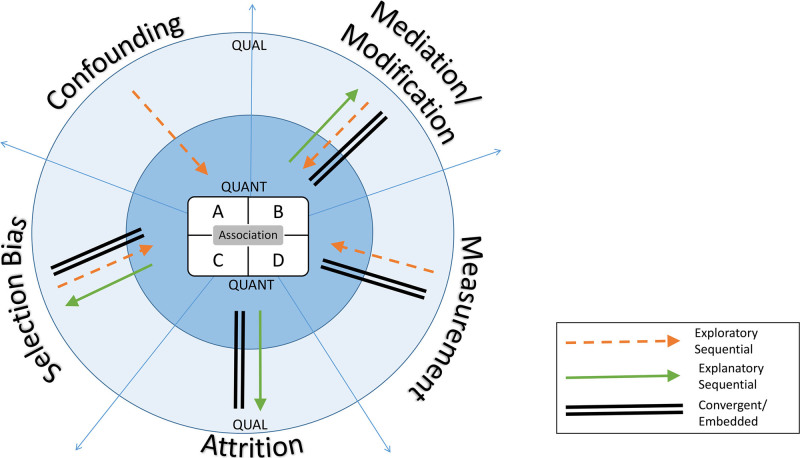
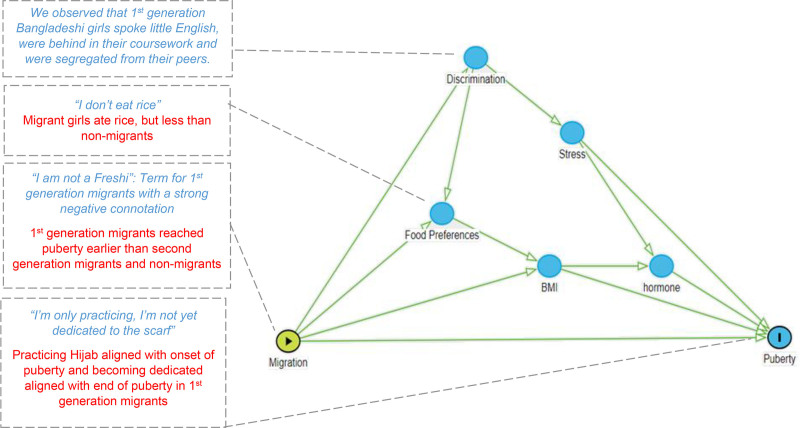
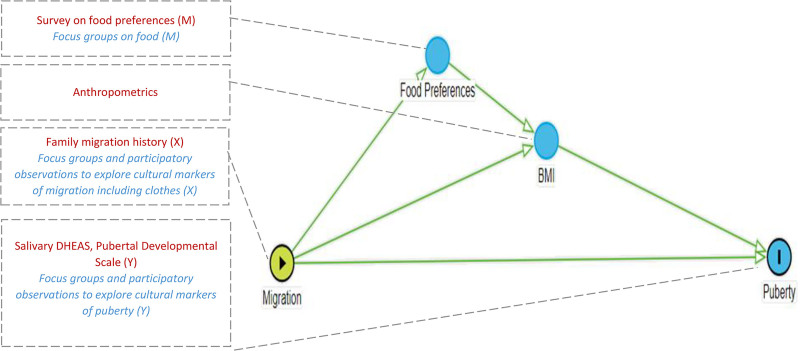
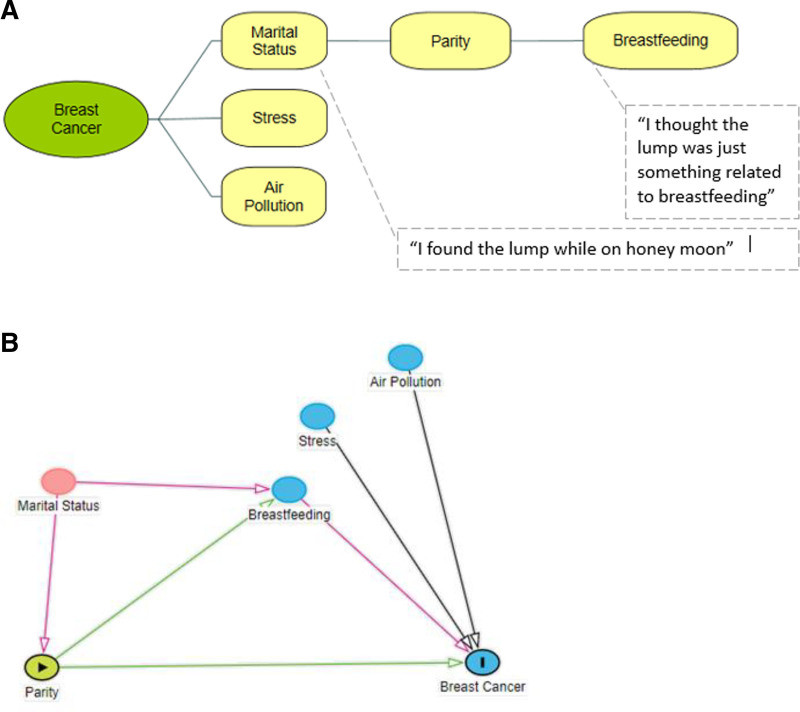
The field of epidemiology's current focus on causal inference follows a quantitative approach and limits research questions to those that are strictly quantifiable. How can epidemiologists study biosociocultural public health problems that they cannot easily quantify? The mixed-methods approach offers a possible solution by incorporating qualitative sociocultural factors as well as the perspective and context from the population under study into quantitative studies. After a pluralist perspective of causal inference, this article provides a guide for epidemiologists interested in applying mixed methods to their observational studies of causal identification and explanation. We begin by reviewing the current paradigms guiding quantitative, qualitative, and mixed methodologies. We then describe applications of convergent and sequential mixed-methods designs to epidemiologic concepts including confounding, mediation, effect modification, measurement, and selection bias. We provide concrete examples of how epidemiologists can use mixed methods to answer research questions of complex bio-socio-cultural health outcomes. We also include a case study of using mixed methods in an observational study design. We describe how mixed methods can enhance how epidemiologists define underlying causal structures. Our alignment of mixed-methods study designs with epidemiologic concepts addresses a major gap in current epidemiology education- how do epidemiologists systematically determine what goes into causal structures?
目前,流行病学领域的研究重点是因果推断,采用定量方法,将研究问题仅限于可严格量化的问题。那么,流行病学家如何研究他们难以量化的生物-社会-文化公共卫生问题呢?混合方法提供了一种可能的解决方案,即将定性的社会文化因素以及研究人群的观点和背景纳入定量研究中。在对因果推断进行多元视角分析之后,本文为有兴趣将混合方法应用于因果识别和解释的观察性研究的流行病学家提供了一个指南。我们首先回顾了指导定量、定性和混合方法的当前范式。然后,我们描述了收敛和顺序混合方法设计在流行病学概念中的应用,包括混杂、中介、效应修饰、测量和选择偏倚。我们提供了具体的例子,说明流行病学家如何使用混合方法来回答复杂的生物-社会-文化健康结果的研究问题。我们还包括了一个使用混合方法进行观察性研究设计的案例研究。我们描述了混合方法如何增强流行病学家对潜在因果结构的定义。我们将混合方法研究设计与流行病学概念对齐,解决了当前流行病学教育中的一个主要差距——流行病学家如何系统地确定因果结构的组成部分?