Kk Sriram, Wranne Moa S, Sewunet Tsegaye, Ekedahl Elina, Coorens Maarten, Tangkoskul Teerawit, Thamlikitkul Visanu, Giske Christian G, Westerlund Fredrik
Department of Biology and Biological Engineering, Chalmers University of Technology, Gothenburg, Sweden.
Division of Clinical Microbiology, Department of Laboratory Medicine, Karolinska Institute, Stockholm, Sweden.
JAC Antimicrob Resist. 2023 Feb 1;5(1):dlad004. doi: 10.1093/jacamr/dlad004. eCollection 2023 Feb.
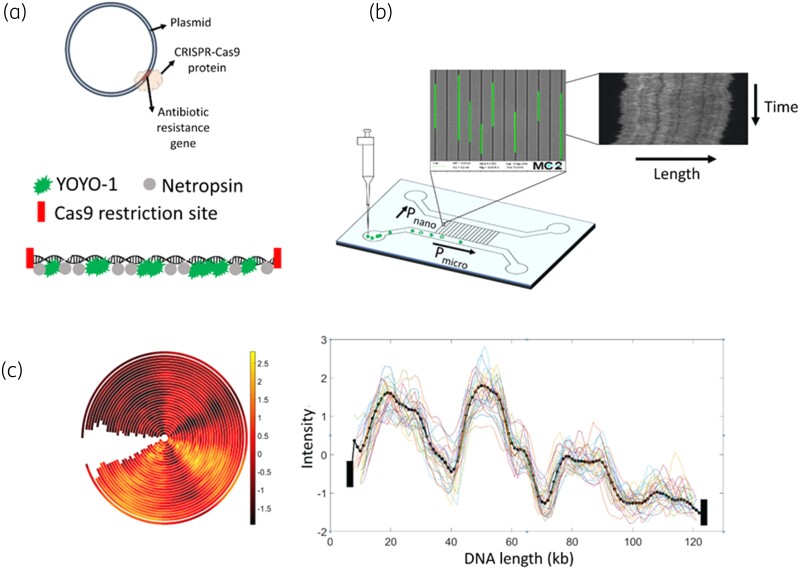
Colistin is a last-resort antibiotic, but there has been a rapid increase in colistin resistance, threatening its use in the treatment of infections with carbapenem-resistant (CRE). Plasmid-mediated colistin resistance, in particular the gene, has been identified and WGS is the go-to method in identifying plasmids carrying genes. The goal of this study is to demonstrate the use of optical DNA mapping (ODM), a fast, efficient and amplification-free technique, to characterize plasmids carrying .
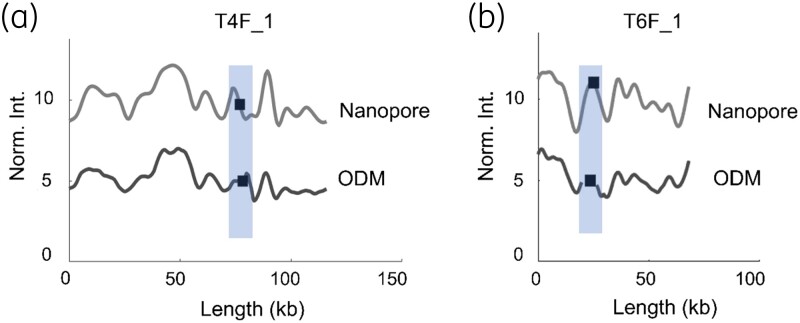
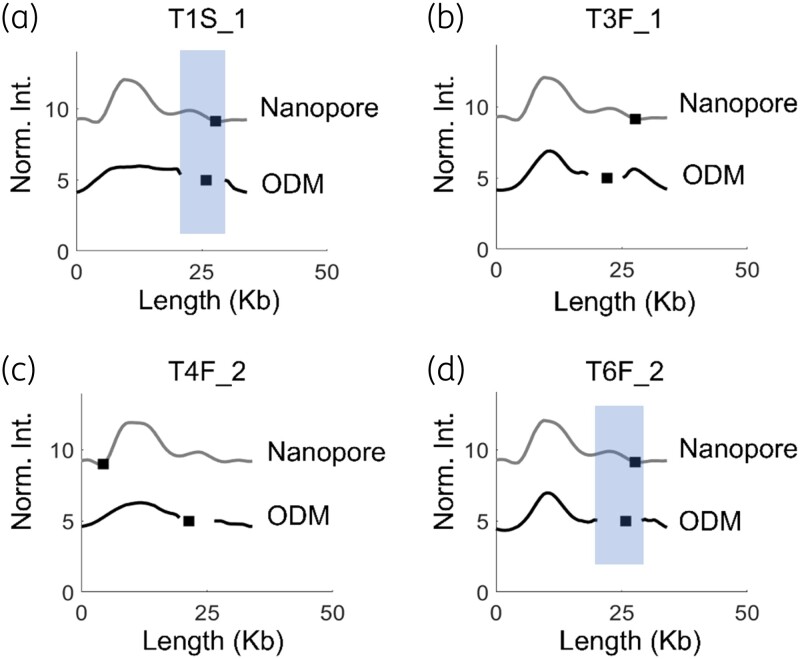
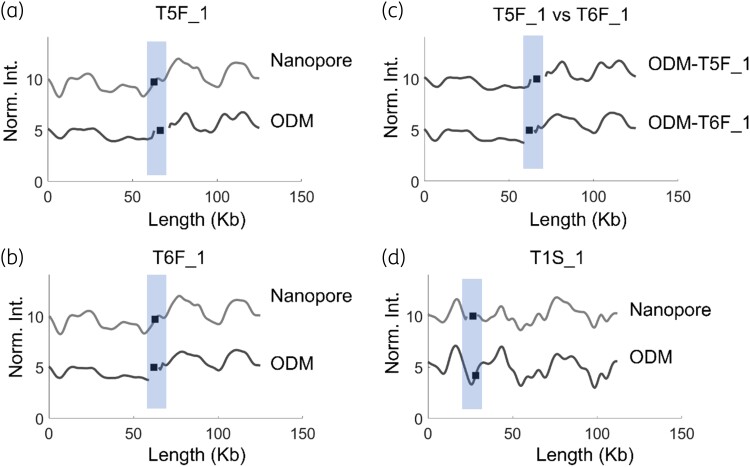
ODM is a single-molecule technique, which we have demonstrated can be used for identifying plasmids harbouring antibiotic resistance genes. We here applied the technique to plasmids isolated from 12 clinical isolates from patients at a major hospital in Thailand and verified our results using Nanopore long-read sequencing.
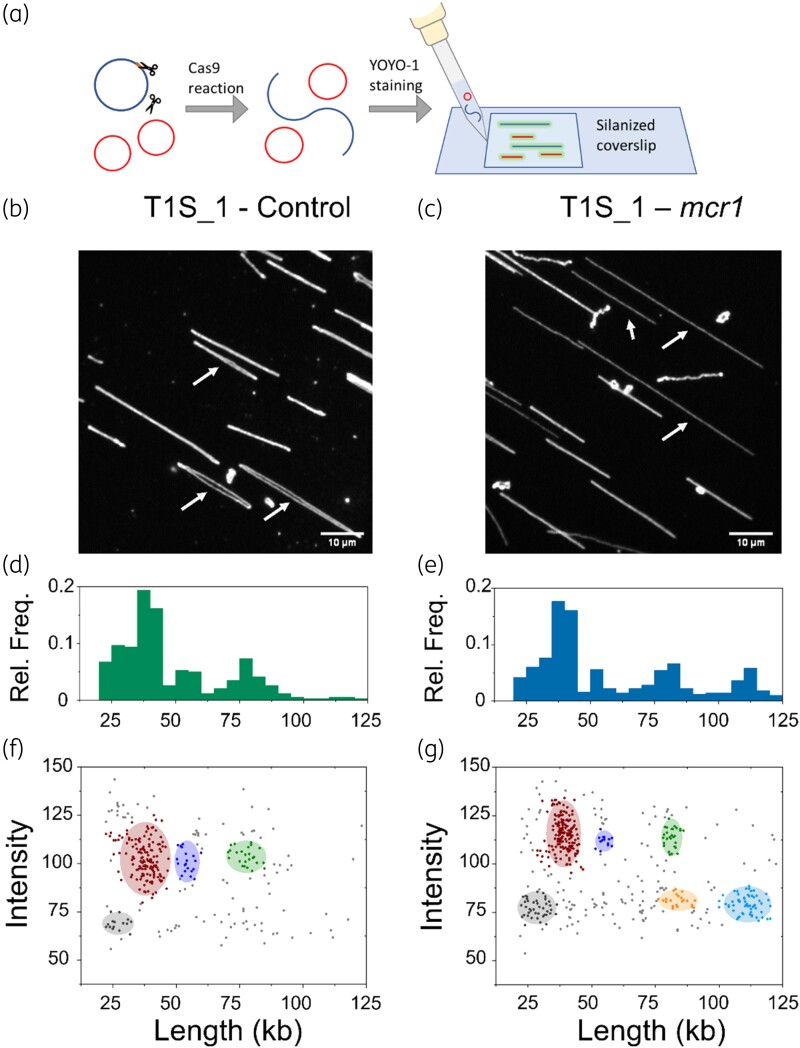
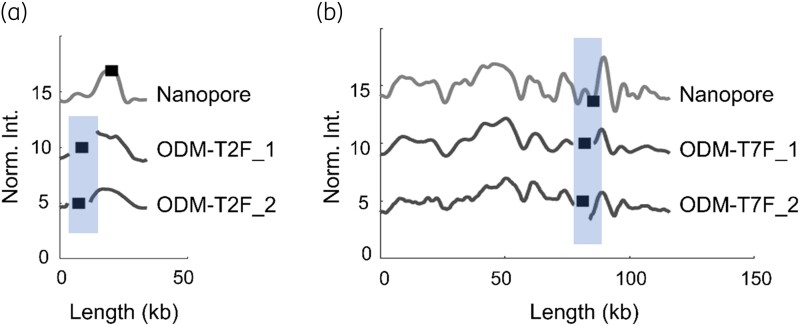
We successfully identified plasmids encoding the gene and, for the first time, demonstrated the ability of ODM to identify resistance gene sites in small (∼30 kb) plasmids. We further identified genes in different plasmids than the ones encoding in three of the isolates studied. Finally, we propose a cut-and-stretch assay, based on similar principles, but performed using surface-functionalized cover slips for DNA immobilization and an inexpensive microscope with basic functionalities, to identify the gene in a plasmid sample.
Both ODM and the cut-and-stretch assay developed could be very useful in identifying plasmids encoding antibiotic resistance in hospitals and healthcare facilities. The cut-and-stretch assay is particularly useful in low- and middle-income countries, where existing techniques are limited.
黏菌素是一种用于治疗多重耐药菌感染的最后一道防线的抗生素,但黏菌素耐药性迅速增加,威胁到其在治疗耐碳青霉烯类肠杆菌科细菌(CRE)感染中的应用。质粒介导的黏菌素耐药性,特别是mcr基因,已被确认,而全基因组测序(WGS)是识别携带mcr基因质粒的常用方法。本研究的目的是证明使用光学DNA图谱(ODM)这种快速、高效且无需扩增的技术来鉴定携带mcr基因的质粒。
ODM是一种单分子技术,我们已经证明它可用于识别含有抗生素耐药基因的质粒。我们将该技术应用于从泰国一家大型医院的患者分离出的12株临床CRE分离株中提取的质粒,并使用纳米孔长读长测序验证了我们的结果。
我们成功鉴定出编码mcr基因的质粒,并首次证明了ODM识别小(约30 kb)质粒中耐药基因位点的能力。我们在另外三株研究的分离株中进一步鉴定出与编码mcr基因的质粒不同的质粒中携带的mcr基因。最后,我们基于类似原理提出了一种切割拉伸试验,但使用表面功能化盖玻片固定DNA,并使用具有基本功能的廉价显微镜来识别质粒样品中的mcr基因。
ODM和开发的切割拉伸试验在医院和医疗机构中鉴定编码抗生素耐药性的质粒方面可能非常有用。切割拉伸试验在现有技术有限的低收入和中等收入国家特别有用。