Andrew Ofudje Edwin, Sodiya Ezekiel F, Olanrele Olajire S, Akinwunmi Fatai
Department of Chemical Sciences, Mountain Top University, Ogun State, Nigeria.
Department of Chemistry, Federal University of Agriculture, Abeokuta, Nigeria.
Heliyon. 2023 Jan 12;9(2):e12971. doi: 10.1016/j.heliyon.2023.e12971. eCollection 2023 Feb.
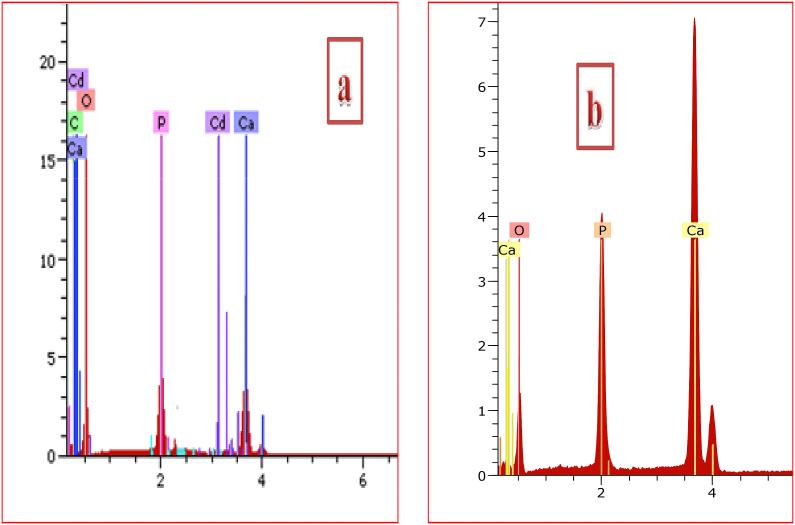
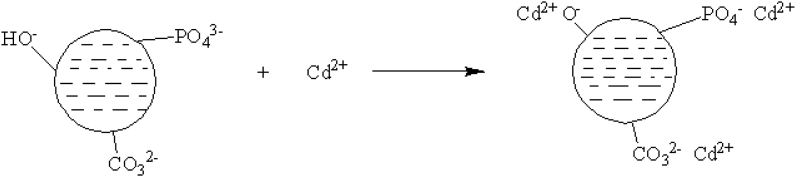
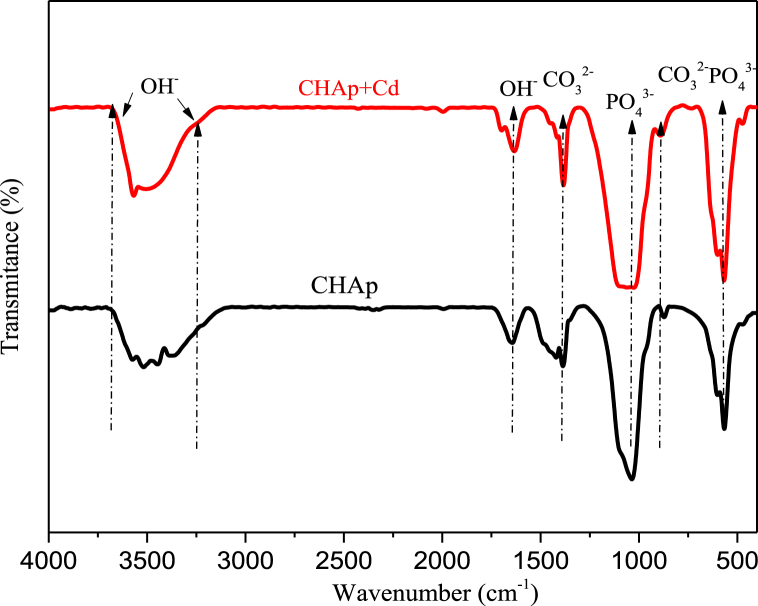
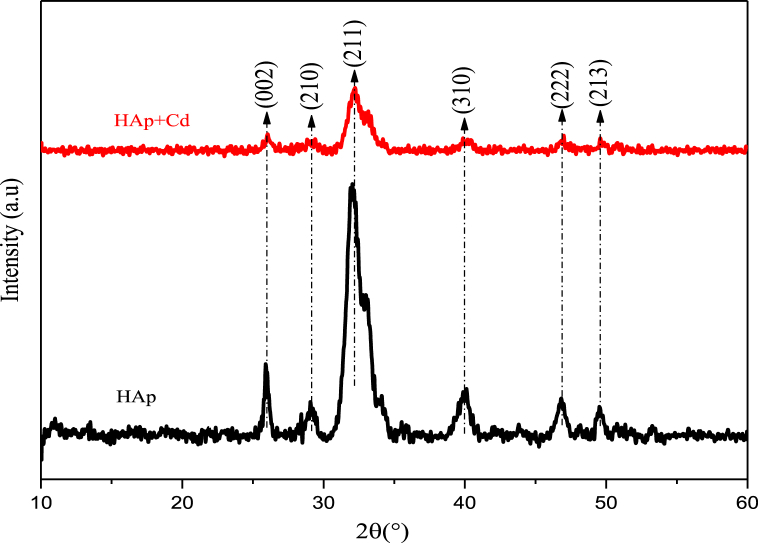
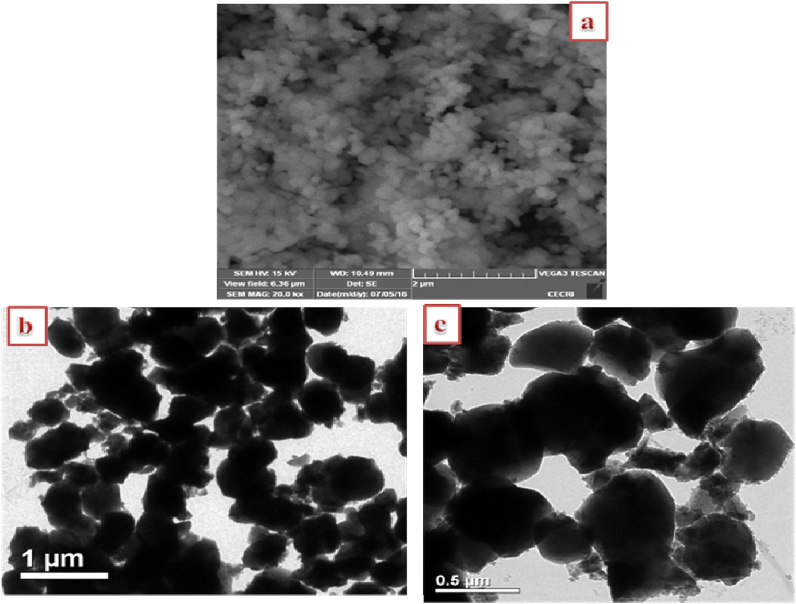
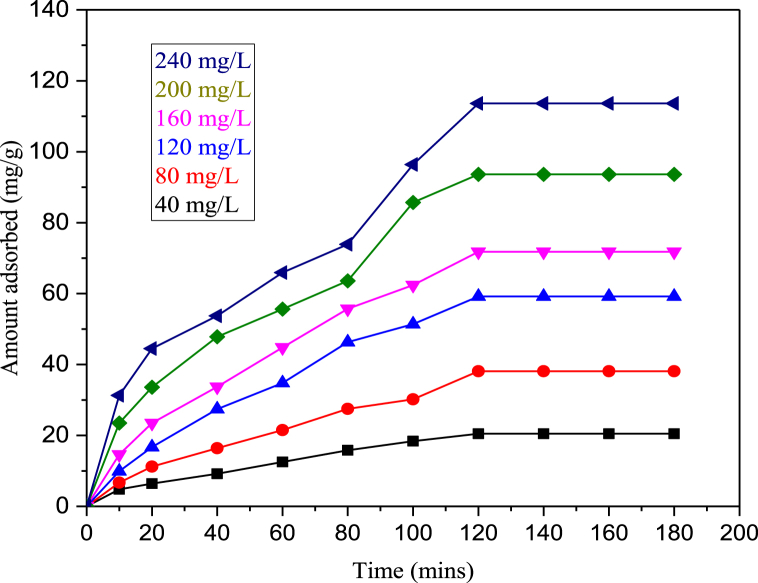
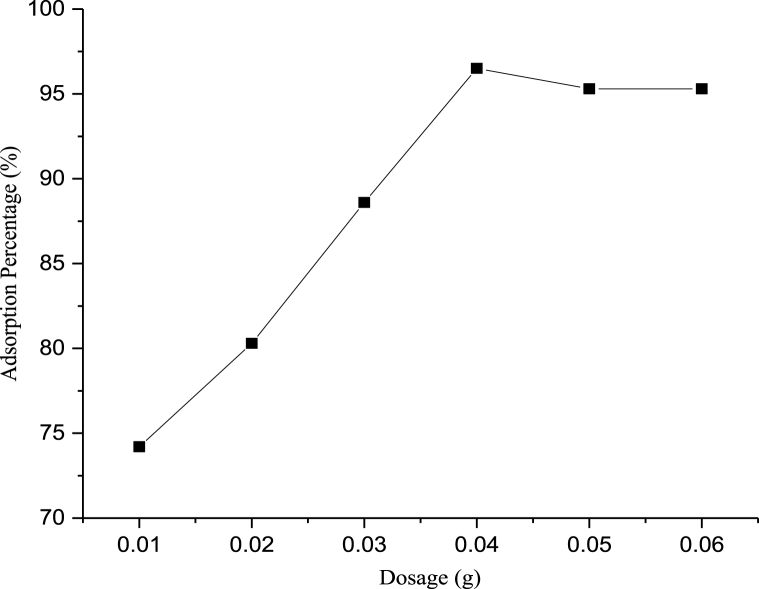
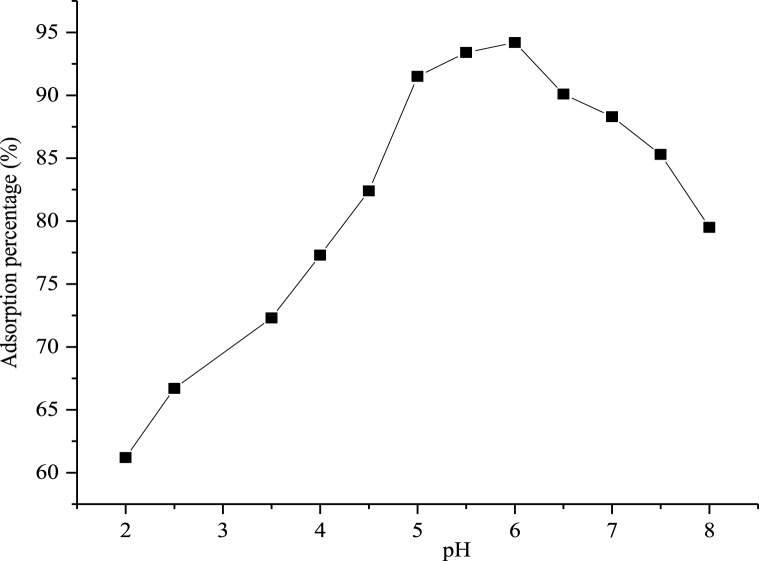
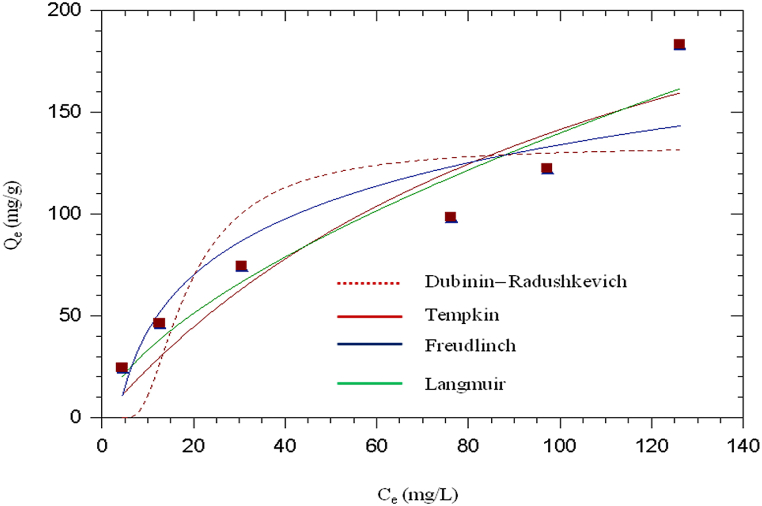
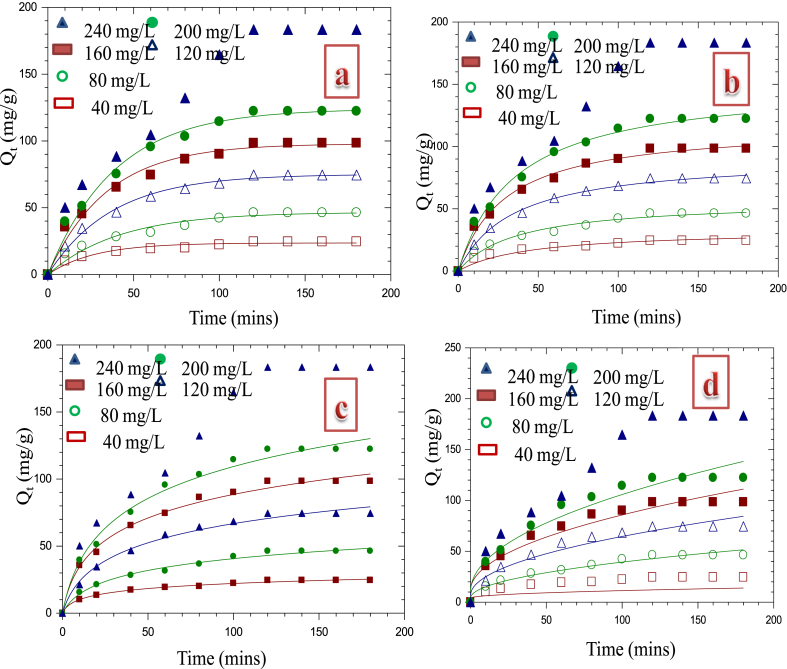
This study examined the application of chemically synthesized apatite (CHAp) powder as a potential adsorbent for the elimination of Cd in aqueous medium. The synthesized hydroxyapatite (HAp) powder before and after adsorption was elucidated by XRD, EDX, FT-IR, SEM, and TEM analytical techniques. The role of time, initial Cd concentration, amount of CHAp used, temperature and solution pH on the adsorption process were investigated. Data from the adsorption process were subjected to Dubinin-Radushkevich, Langmuir, Freundlich, and Tempkin adsorption isotherms, while pseudo-first-order, pseudo-second-order, Elovich and intraparticle diffusion kinetic models were used for the kinetics investigation. Results from XRD confirmed that chief characteristic peaks of HAp powder were detected, while functional groups such as PO , CO and OH matching pure HAp were displayed in the FT-IR spectra. Round shape morphology of the CHAp was confirmed by SEM and TEM analyses. Langmuir isotherm best described the adsorption process with ceiling adsorption capacity of 195.711 mg/g, whereas, the adsorption mechanism obeys the pseudo-first-order model which suggests a physical adsorption process. The value of entropy change (ΔS) of the adsorption of Cd onto CHAp surface was obtained to be 0.610 kJ/mol, while the value of enthalpy change obtained was 175.591 kJ/mol. Results from free energy change obtained adjudged the adsorption process to be spontaneous and endothermic in character. Thus, the chemically synthesized HAp could be an excellent adsorbent for the elimination of Cd in bioremediation applications.
本研究考察了化学合成磷灰石(CHAp)粉末作为潜在吸附剂在水介质中去除镉的应用。通过XRD、EDX、FT-IR、SEM和TEM分析技术对吸附前后合成的羟基磷灰石(HAp)粉末进行了表征。研究了时间、初始镉浓度、CHAp用量、温度和溶液pH对吸附过程的影响。吸附过程的数据采用Dubinin-Radushkevich、Langmuir、Freundlich和Tempkin吸附等温线进行处理,同时采用准一级、准二级、Elovich和颗粒内扩散动力学模型进行动力学研究。XRD结果证实检测到了HAp粉末的主要特征峰,而FT-IR光谱显示了与纯HAp匹配的PO、CO和OH等官能团。SEM和TEM分析证实了CHAp的圆形形态。Langmuir等温线最能描述吸附过程,饱和吸附容量为195.711 mg/g,而吸附机理符合准一级模型,表明是物理吸附过程。Cd吸附到CHAp表面的熵变(ΔS)值为0.610 kJ/mol,焓变值为175.591 kJ/mol。自由能变化结果表明吸附过程是自发的且为吸热性质。因此,化学合成的HAp在生物修复应用中可能是一种优异的镉去除吸附剂。