Corbin Karen D, Carnero Elvis A, Dirks Blake, Igudesman Daria, Yi Fanchao, Marcus Andrew, Davis Taylor L, Pratley Richard E, Rittmann Bruce E, Krajmalnik-Brown Rosa, Smith Steven R
AdventHealth Translational Research Institute, Orlando, Florida.
Biodesign Center for Health through Microbiomes, Tempe, AZ.
Res Sq. 2023 Jan 25:rs.3.rs-2382790. doi: 10.21203/rs.3.rs-2382790/v1.
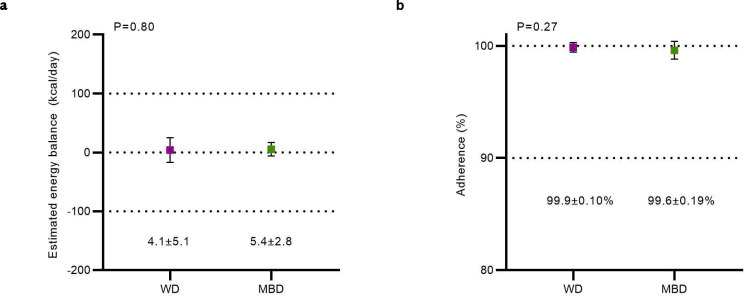
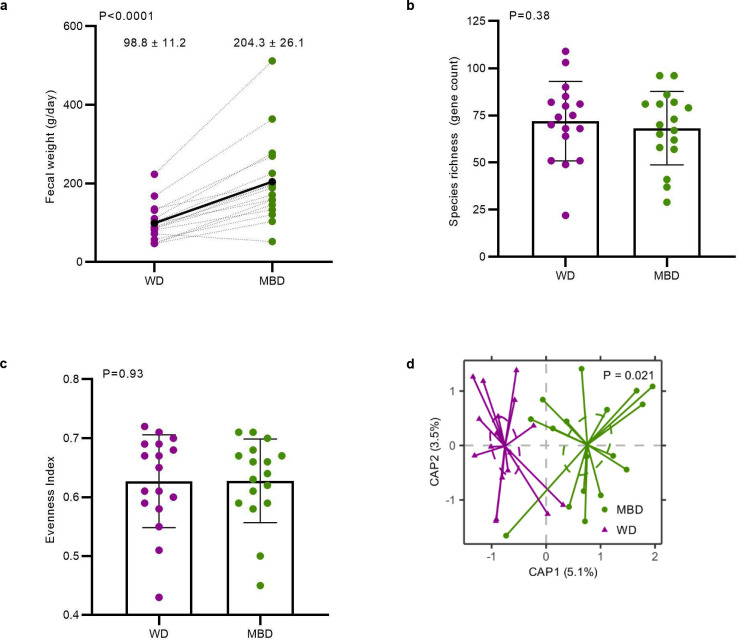
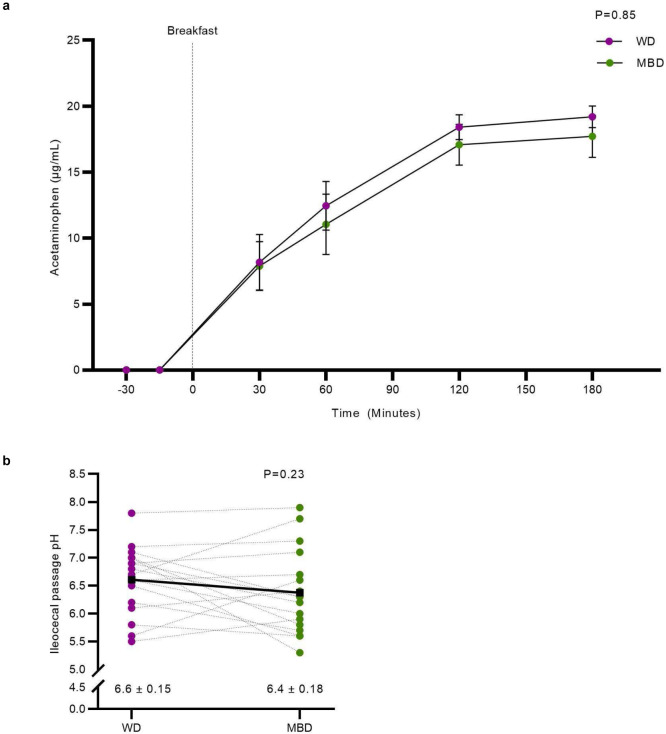
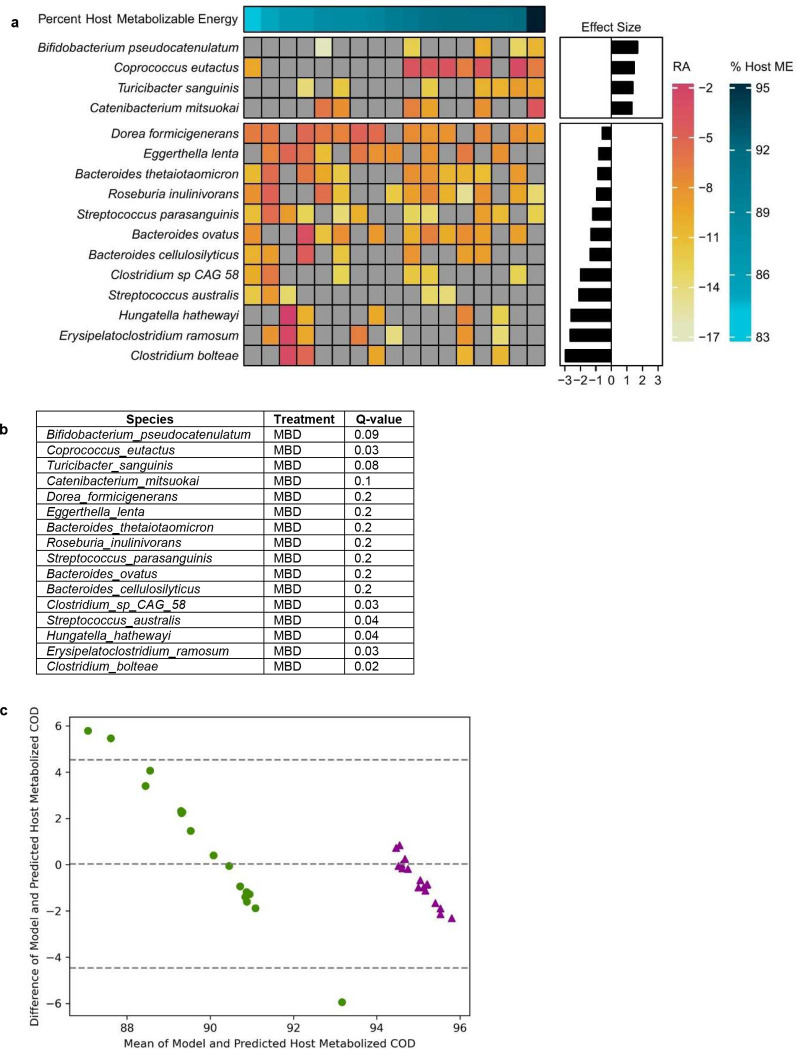
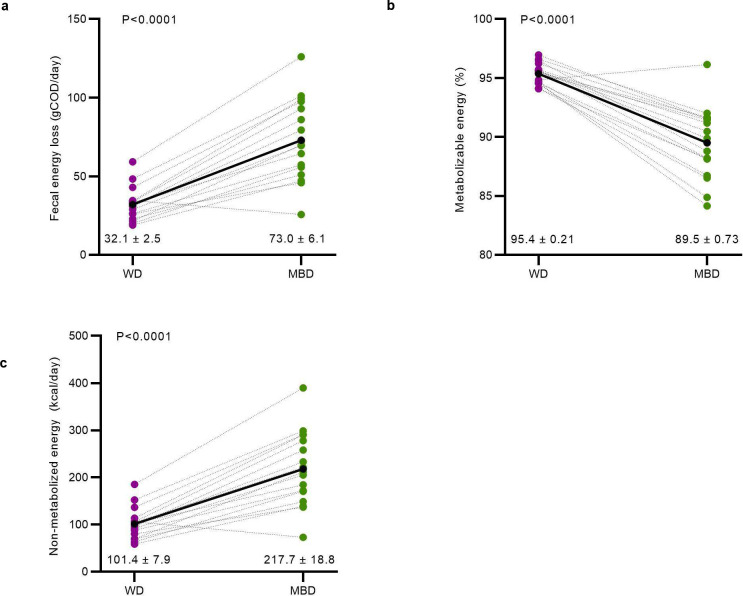
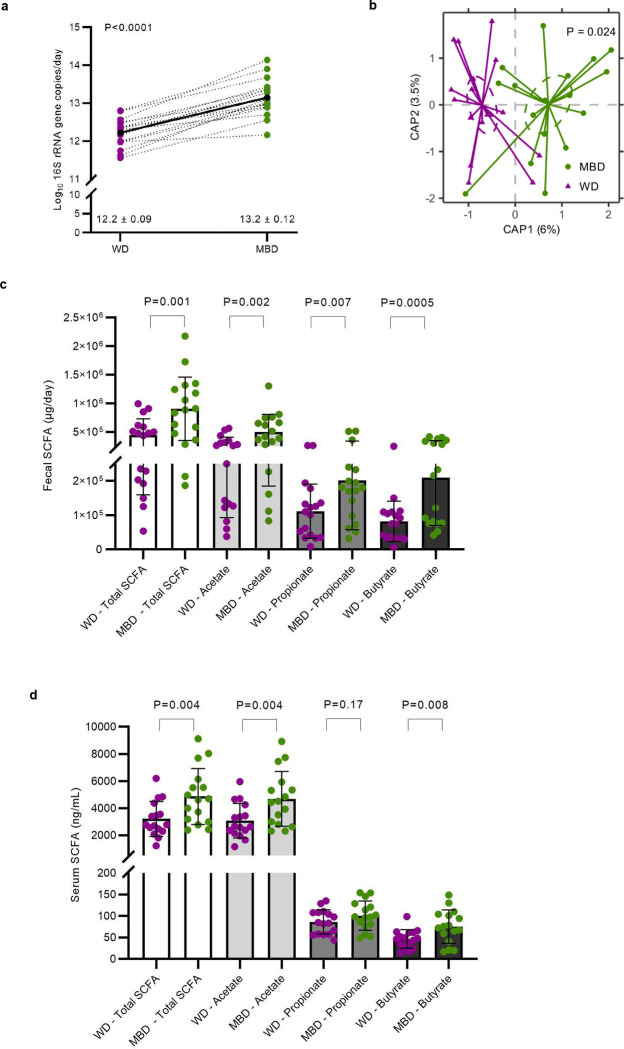
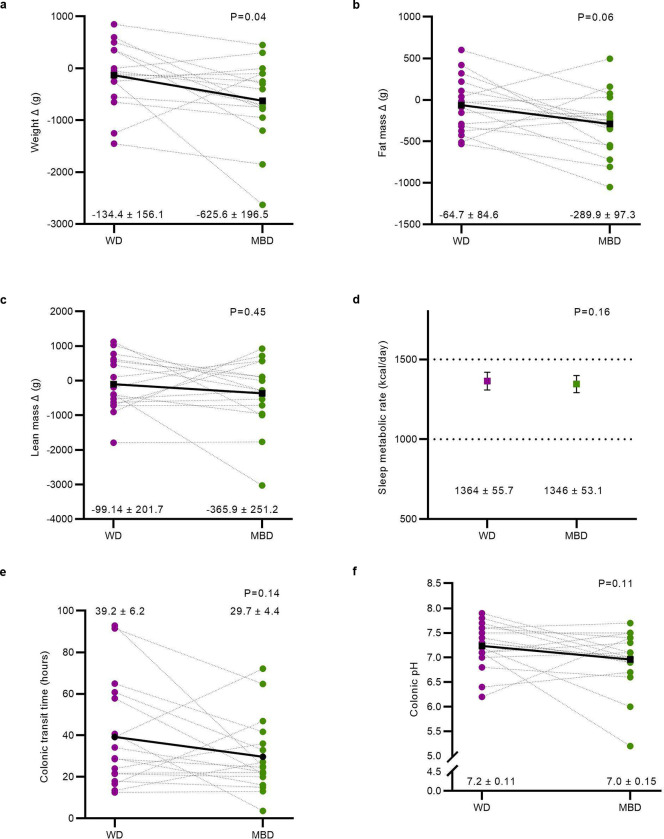
The gut microbiome is emerging as a key modulator of host energy balance1. We conducted a quantitative bioenergetics study aimed at understanding microbial and host factors contributing to energy balance. We used a Microbiome Enhancer Diet (MBD) to reprogram the gut microbiome by delivering more dietary substrates to the colon and randomized healthy participants into a within-subject crossover study with a Western Diet (WD) as a comparator. In a metabolic ward where the environment was strictly controlled, we measured energy intake, energy expenditure, and energy output (fecal, urinary, and methane)2. The primary endpoint was the within-participant difference in host metabolizable energy between experimental conditions. The MBD led to an additional 116 ± 56 kcals lost in feces daily and thus, lower metabolizable energy for the host by channeling more energy to the colon and microbes. The MBD drove significant shifts in microbial biomass, community structure, and fermentation, with parallel alterations to the host enteroendocrine system and without altering appetite or energy expenditure. Host metabolizable energy on the MBD had quantitatively significant interindividual variability, which was associated with differences in the composition of the gut microbiota experimentally and colonic transit time and short-chain fatty acid absorption in silico. Our results provide key insights into how a diet designed to optimize the gut microbiome lowers host metabolizable energy in healthy humans.
肠道微生物群正逐渐成为宿主能量平衡的关键调节因子1。我们开展了一项定量生物能量学研究,旨在了解影响能量平衡的微生物和宿主因素。我们使用了一种微生物群增强饮食(MBD),通过向结肠输送更多膳食底物来重新编程肠道微生物群,并将健康参与者随机分为一项自身交叉研究,以西方饮食(WD)作为对照。在一个环境严格控制的代谢病房中,我们测量了能量摄入、能量消耗和能量输出(粪便、尿液和甲烷)2。主要终点是不同实验条件下参与者体内宿主可代谢能量的差异。MBD导致每天粪便中额外损失116±56千卡热量,因此,通过将更多能量导向结肠和微生物,宿主的可代谢能量降低。MBD促使微生物生物量、群落结构和发酵发生显著变化,同时宿主肠内分泌系统也发生改变,且未改变食欲或能量消耗。MBD上宿主的可代谢能量在个体间存在显著的定量差异,这与实验中肠道微生物群组成的差异以及计算机模拟的结肠转运时间和短链脂肪酸吸收有关。我们的研究结果为旨在优化肠道微生物群的饮食如何降低健康人体内宿主可代谢能量提供了关键见解。