Department of Tissue Engineering, Institute of Experimental Medicine, the Czech Academy of Sciences, Prague, Czech Republic.
Department of Chemistry, Faculty of Science, Humanities and Education, Technical University of Liberec, Liberec, Czech Republic.
Int J Nanomedicine. 2023 Feb 1;18:541-560. doi: 10.2147/IJN.S386784. eCollection 2023.
Osteoporosis is a severe health problem with social and economic impacts on society. The standard treatment consists of the systemic administration of drugs such as bisphosphonates, with alendronate (ALN) being one of the most common. Nevertheless, complications of systemic administration occur with this drug. Therefore, it is necessary to develop new strategies, such as local administration.
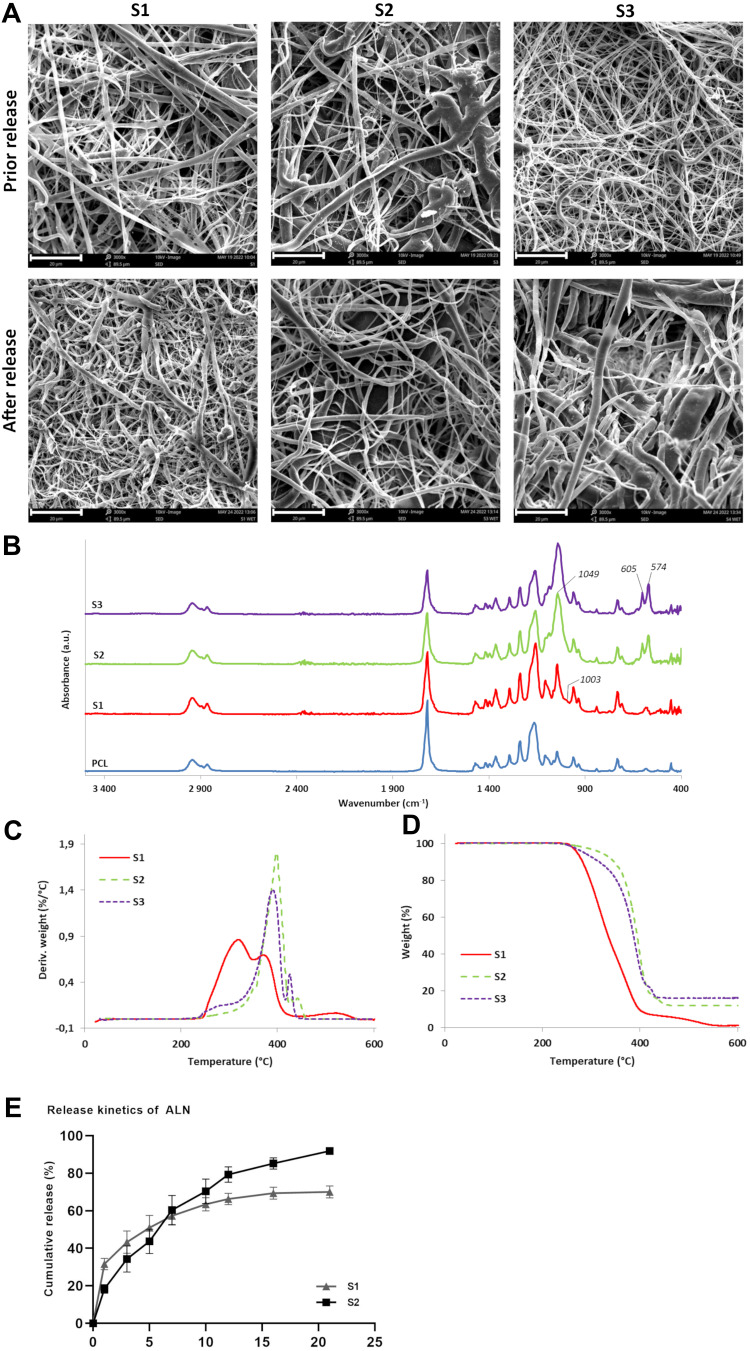
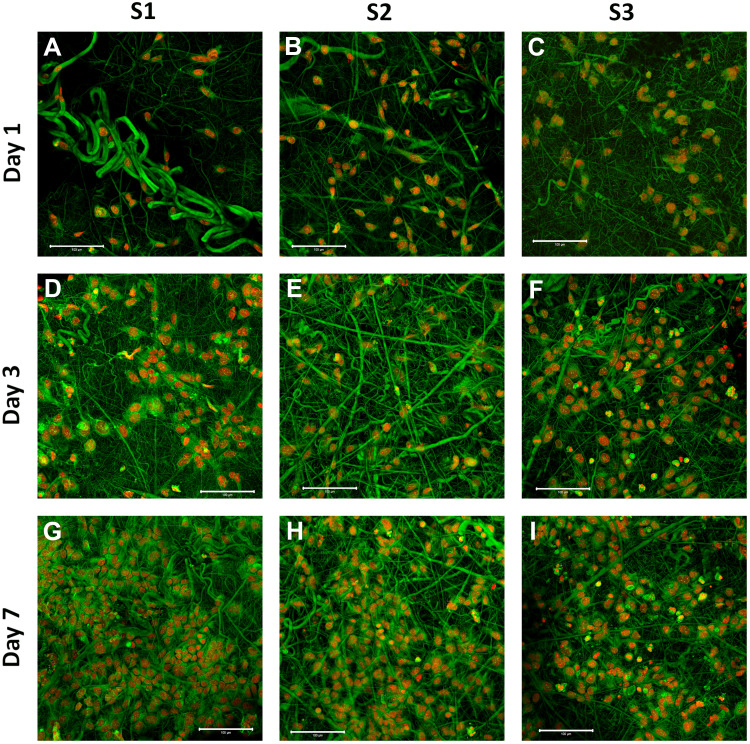
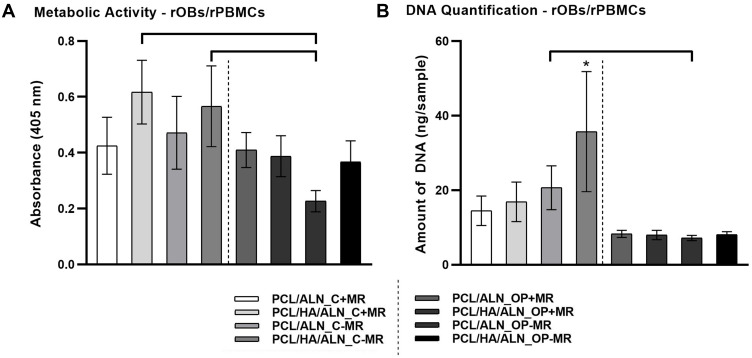
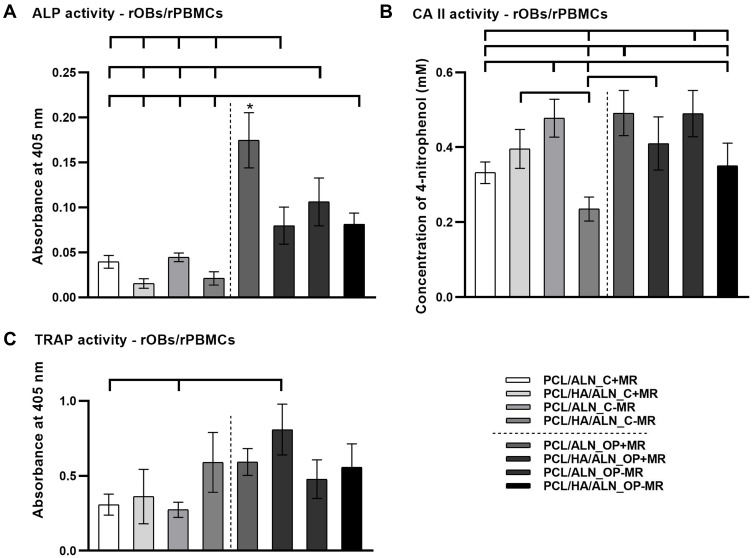
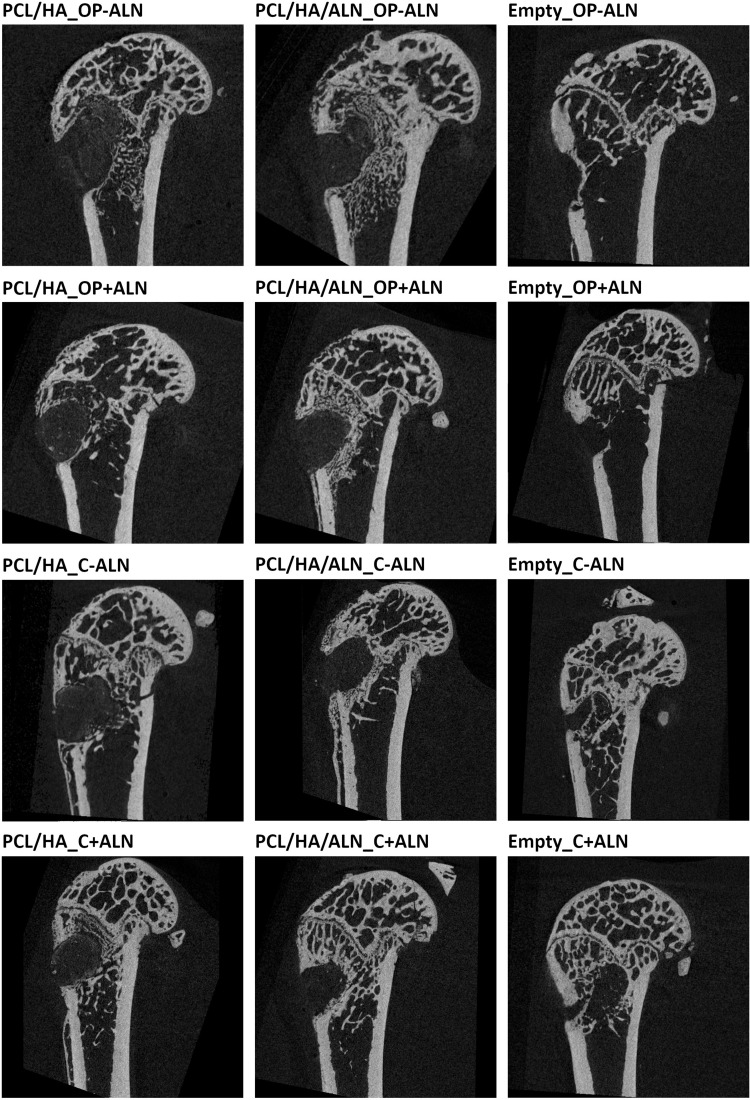
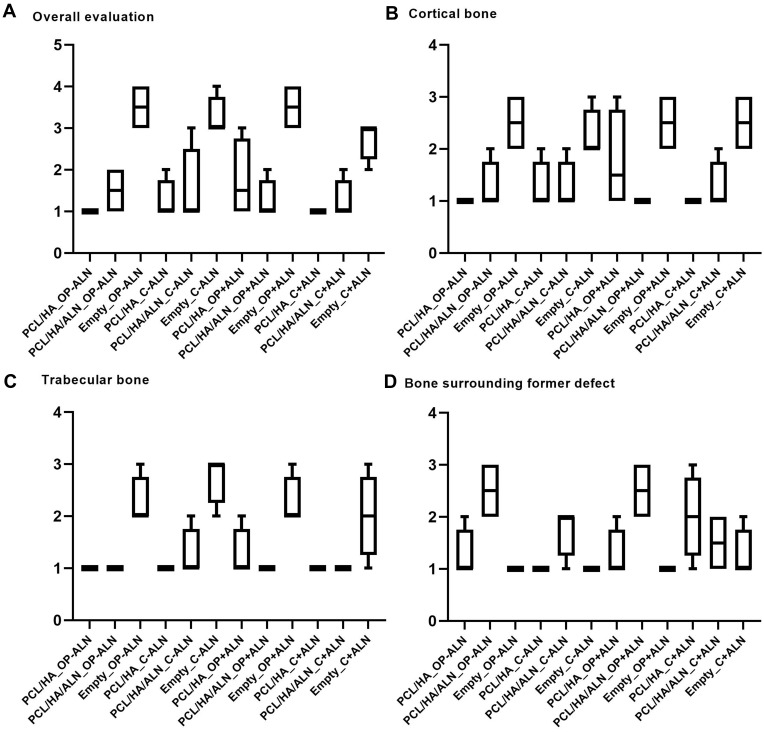
In this study, emulsion/dispersion scaffolds based on W/O emulsion of PCL and PF68 with ALN, containing hydroxyapatite (HA) nanoparticles as the dispersion phase were prepared using electrospinning. Scaffolds with different release kinetics were tested in vitro on the co-cultures of osteoblasts and osteoclast-like cells, isolated from adult osteoporotic and control rats. Cell viability, proliferation, ALP, TRAP and CA II activity were examined. A scaffold with a gradual release of ALN was tested in vivo in the bone defects of osteoporotic and control rats.
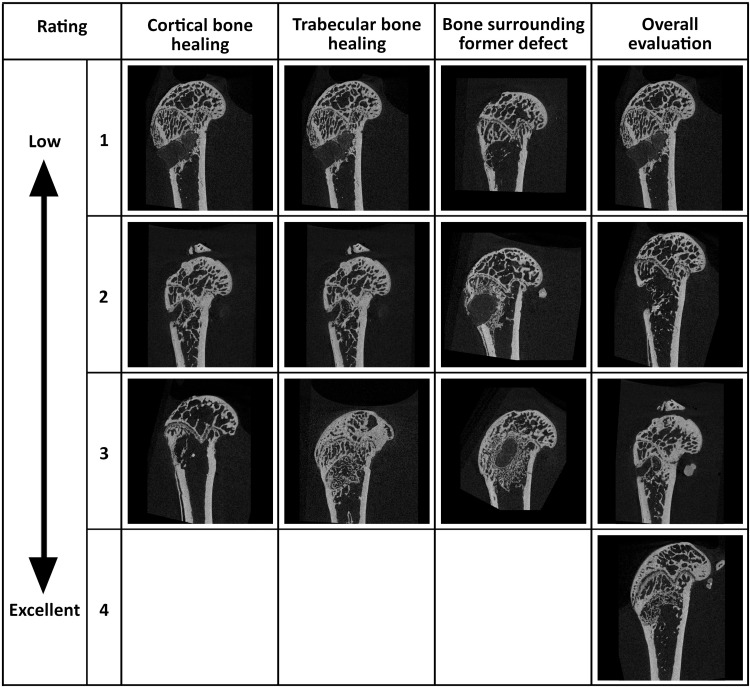
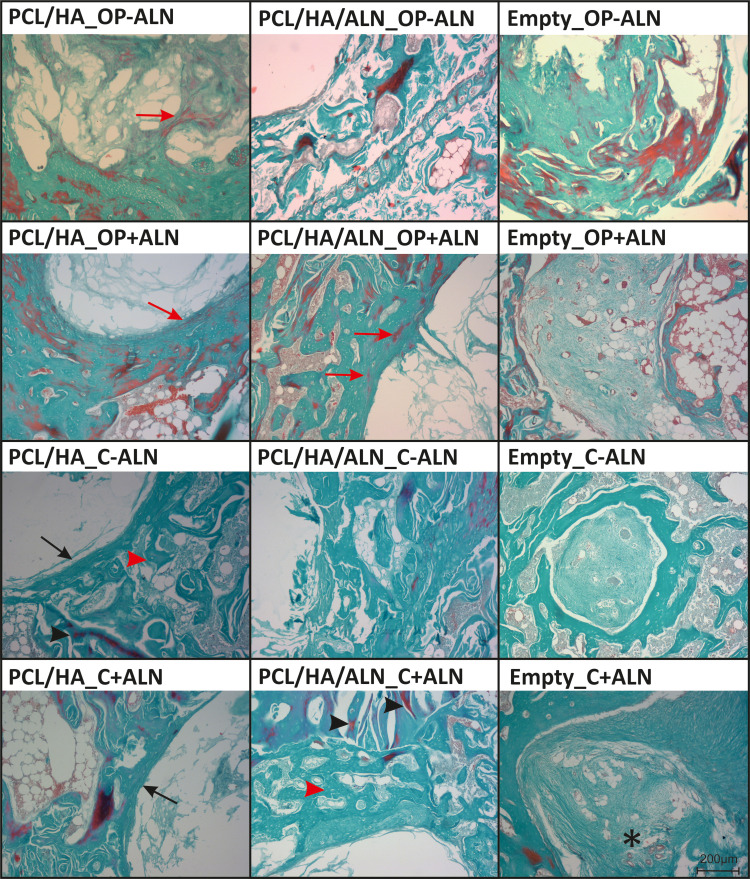
The release kinetics were dependent on the scaffold composition and the used system of the poloxamers. The ALN was released from the scaffolds for more than 22 days. The behavior of cells cultured in vitro on scaffolds with different release kinetics was comparable. The difference was evident between cell co-cultures isolated from osteoporotic and control animals. The PCL/HA scaffold show slow degradation in vivo and residual scaffold limited new bone formation inside the defects. Nevertheless, the released ALN supported bone formation in the areas surrounding the residual scaffold. Interestingly, a positive effect of systemic administration of ALN was not proved.
The prepared scaffolds enabled tunable control release of ALN. The effect of ALN was proved in vitro and in in vivo study supported peri-implant bone formation.
骨质疏松症是一个严重的健康问题,对社会具有社会和经济影响。标准治疗包括双磷酸盐等系统药物治疗,其中阿仑膦酸钠(ALN)是最常见的药物之一。然而,这种药物会出现系统给药的并发症。因此,有必要开发新的策略,如局部给药。
在这项研究中,使用静电纺丝制备了基于 PCL 和 PF68 的 W/O 乳液的乳液/分散支架,其中含有作为分散相的纳米羟基磷灰石(HA)。在体外,使用来自成年骨质疏松症和正常大鼠的成骨细胞和破骨细胞样细胞共培养物测试了具有不同释放动力学的支架。检查了细胞活力、增殖、碱性磷酸酶(ALP)、TRAP 和 CA II 活性。在骨质疏松症和正常大鼠的骨缺损中体内测试了具有逐渐释放 ALN 的支架。
释放动力学取决于支架组成和所用的泊洛沙姆系统。ALN 从支架中释放超过 22 天。在具有不同释放动力学的支架上培养的细胞的行为是可比的。骨质疏松症和正常动物分离的细胞共培养物之间的差异明显。PCL/HA 支架在体内缓慢降解,残留支架限制了缺陷内新骨的形成。然而,释放的 ALN 支持了残留支架周围区域的骨形成。有趣的是,没有证明全身给予 ALN 的积极作用。
制备的支架能够实现 ALN 的可调控制释放。ALN 的作用已在体外和体内研究中得到证实,支持了种植体周围骨的形成。