Division of Pulmonary and Critical Care Medicine, Department of Medicine, Kaohsiung Chang Gung Memorial Hospital and Chang Gung University College of Medicine, No. 123, Ta-Pei Rd, Niao-Sung District, Kaohsiung, 83301, Taiwan.
Department of Medicine, College of Medicine, Chang Gung University, Taouyan, 33302, Taiwan.
Eur J Med Res. 2023 Feb 17;28(1):82. doi: 10.1186/s40001-023-01051-4.
Autophagy is a catabolic process that recycles damaged organelles and acts as a pro-survival mechanism, but little is known about autophagy dysfunction and epigenetic regulation in patients with obstructive sleep apnea (OSA).
Protein/gene expressions and DNA methylation levels of the autophagy-related genes (ATG) were examined in blood leukocytes from 64 patients with treatment-naïve OSA and 24 subjects with primary snoring (PS).
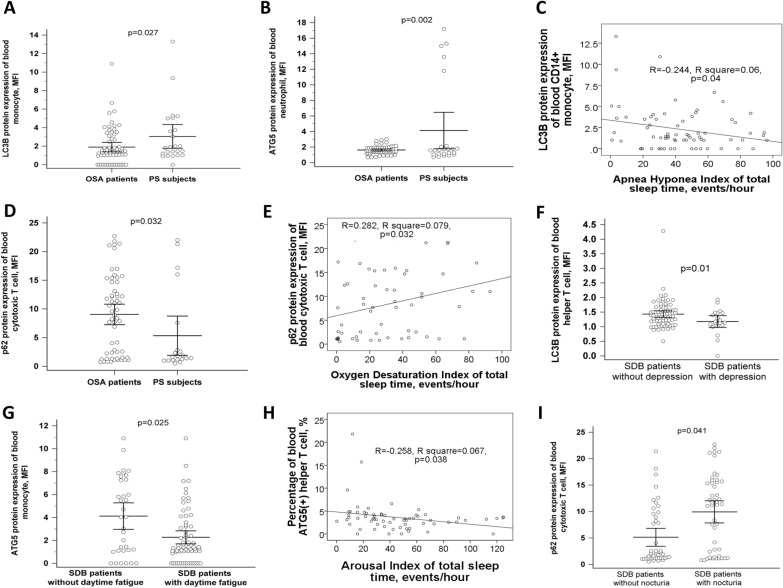
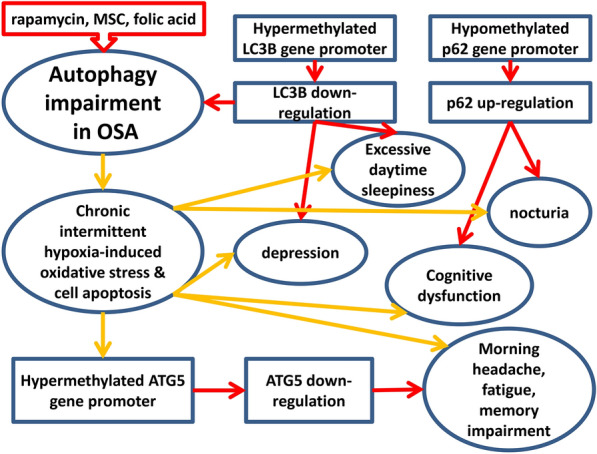
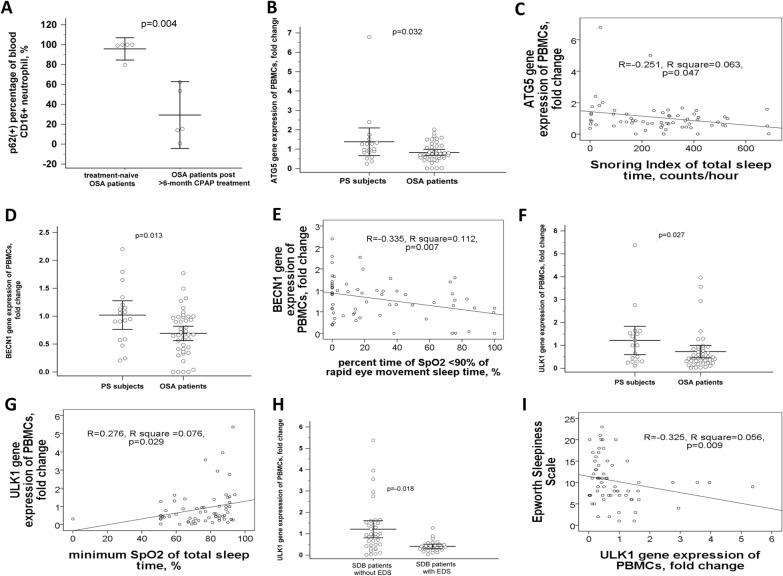
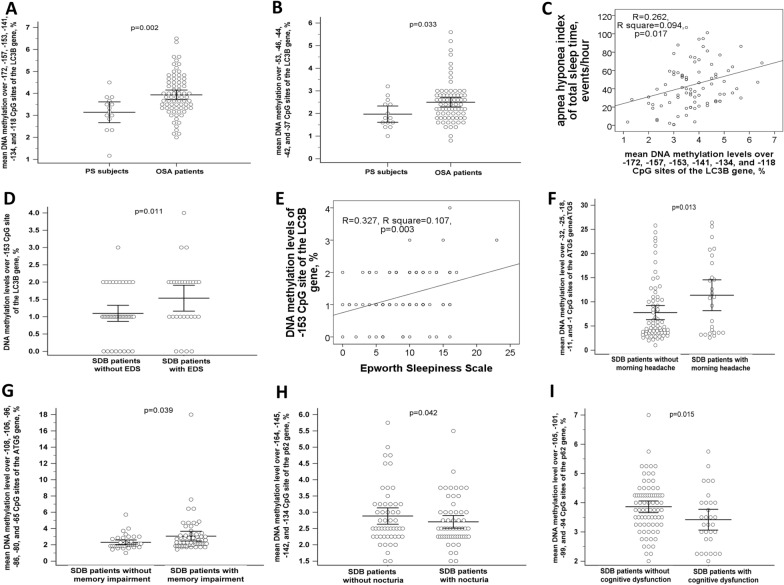
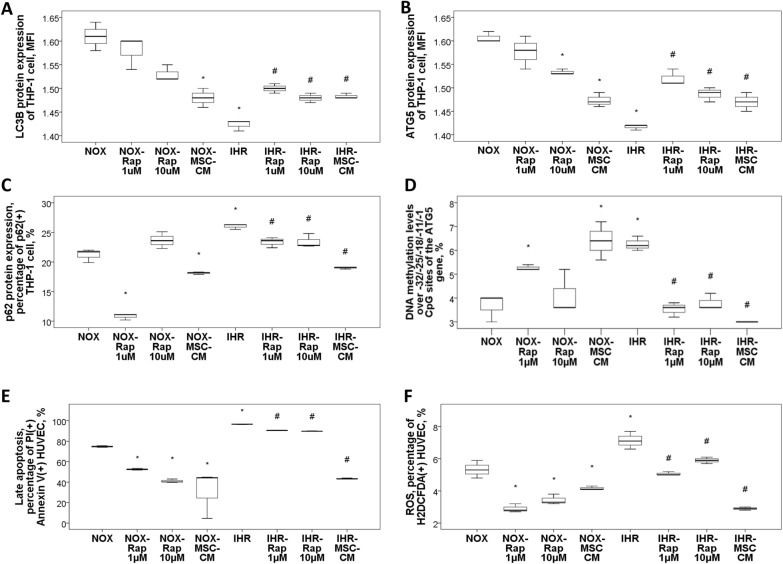
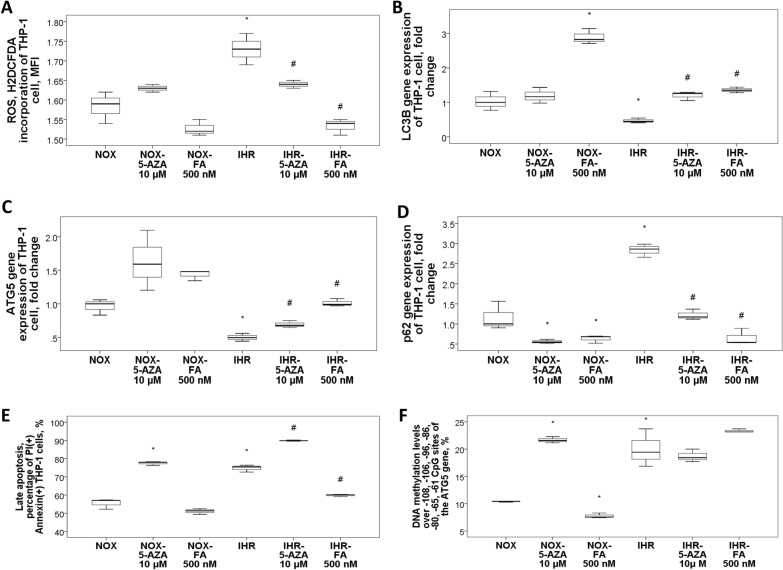
LC3B protein expression of blood monocytes, and ATG5 protein expression of blood neutrophils were decreased in OSA patients versus PS subjects, while p62 protein expression of cytotoxic T cell was increased, particularly in those with nocturia. ATG5, ULK1, and BECN1 gene expressions of peripheral blood mononuclear cells were decreased in OSA patients versus PS subjects. LC3B gene promoter regions were hypermethylated in OSA patients, particularly in those with excessive daytime sleepiness, while ATG5 gene promoter regions were hypermethylated in those with morning headache or memory impairment. LC3B protein expression of blood monocytes and DNA methylation levels of the LC3B gene promoter region were negatively and positively correlated with apnea hyponea index, respectively. In vitro intermittent hypoxia with re-oxygenation exposure to human THP-1/HUVEC cell lines resulted in LC3B/ATG5/ULK1/BECN1 down-regulations and p62 up-regulation along with increased apoptosis and oxidative stress, while rapamycin and umbilical cord-mesenchymal stem cell treatment reversed these abnormalities through de-methylation of the ATG5 gene promoter.
Impaired autophagy activity in OSA patients was regulated by aberrant DNA methylation, correlated with clinical phenotypes, and contributed to increased cell apoptosis and oxidative stress. Autophagy enhancers may be novel therapeutics for OSA-related neurocognitive dysfunction.
自噬是一种分解代谢过程,可回收受损的细胞器,并作为一种促进生存的机制,但对于阻塞性睡眠呼吸暂停(OSA)患者的自噬功能障碍和表观遗传调控知之甚少。
在未经治疗的 OSA 患者 64 例和原发性打鼾(PS)患者 24 例的血液白细胞中检测自噬相关基因(ATG)的蛋白/基因表达和 DNA 甲基化水平。
与 PS 患者相比,OSA 患者血液单核细胞的 LC3B 蛋白表达和血液中性粒细胞的 ATG5 蛋白表达降低,而细胞毒性 T 细胞的 p62 蛋白表达增加,尤其是夜尿症患者。与 PS 患者相比,外周血单核细胞的 ATG5、ULK1 和 BECN1 基因表达降低。OSA 患者 LC3B 基因启动子区呈超甲基化,尤其是日间嗜睡患者,而 ATG5 基因启动子区呈超甲基化,晨起头痛或记忆力减退患者。血液单核细胞 LC3B 蛋白表达与 LC3B 基因启动子区 DNA 甲基化水平呈负相关和正相关,分别与呼吸暂停低通气指数呈负相关和正相关。体外间歇性低氧再复氧暴露于人 THP-1/HUVEC 细胞系导致 LC3B/ATG5/ULK1/BECN1 下调和 p62 上调,同时伴有细胞凋亡和氧化应激增加,而雷帕霉素和脐带间充质干细胞治疗通过 ATG5 基因启动子区去甲基化逆转了这些异常。
OSA 患者的自噬活性受损受异常 DNA 甲基化调控,与临床表型相关,并导致细胞凋亡和氧化应激增加。自噬增强剂可能是治疗 OSA 相关神经认知功能障碍的新方法。