Faculty of Geography and Geology, Institute of Geological Sciences, Jagiellonian University, Gronostajowa 3a, 30387, Kraków, Poland.
Naturwissenschaften. 2023 Feb 21;110(2):9. doi: 10.1007/s00114-023-01837-w.
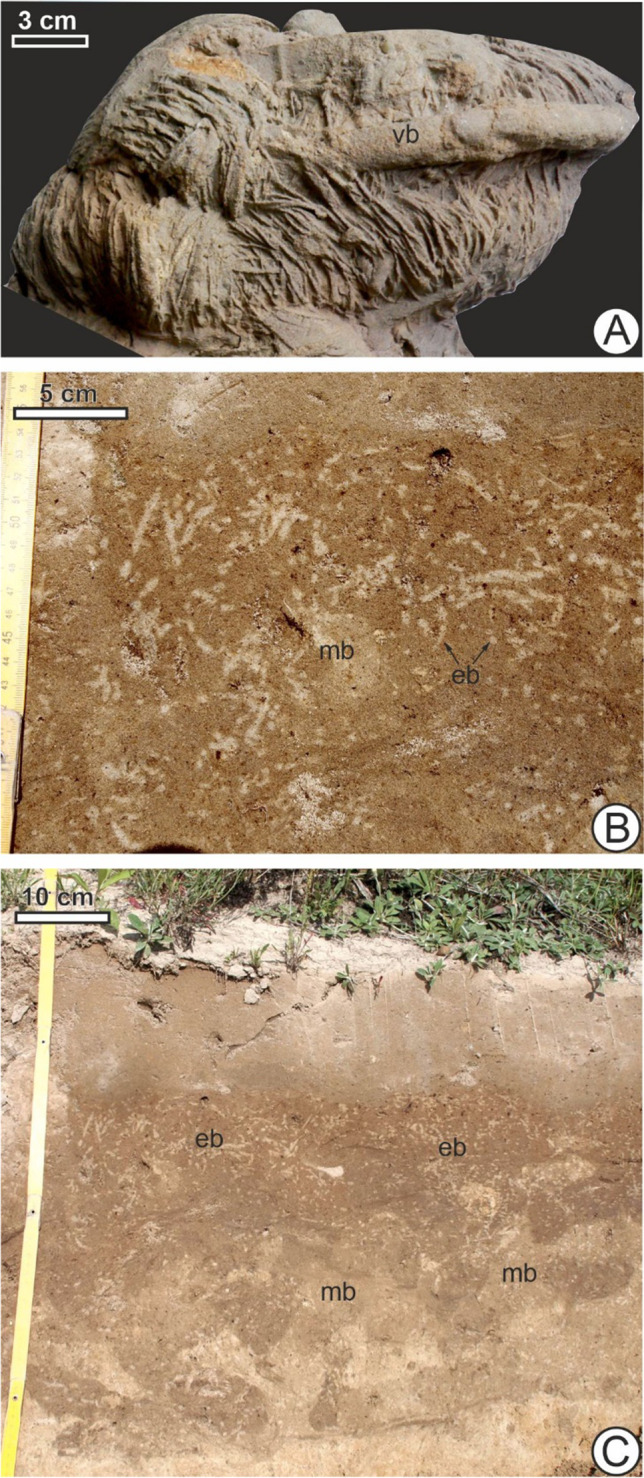
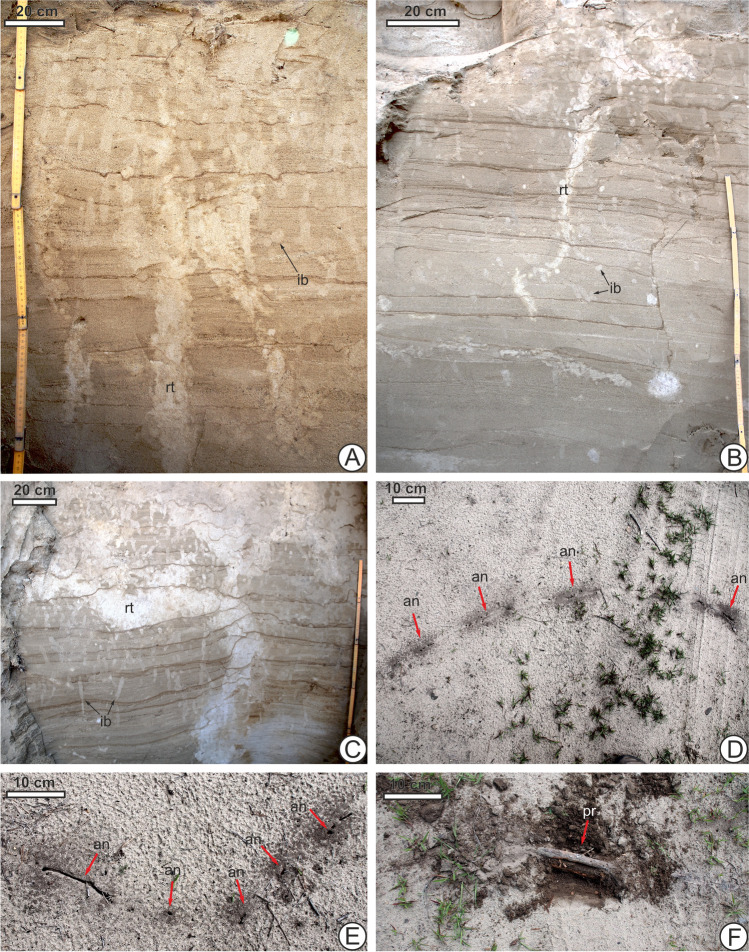
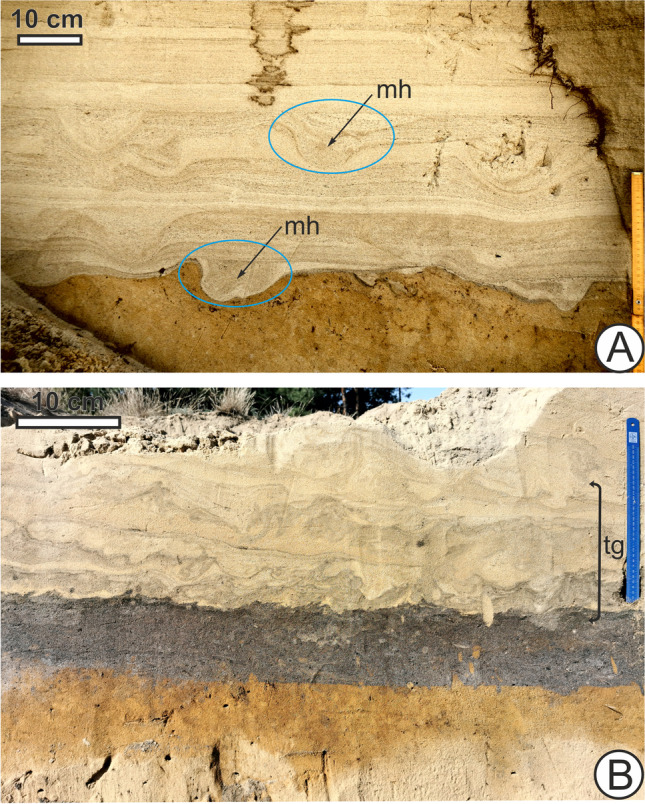
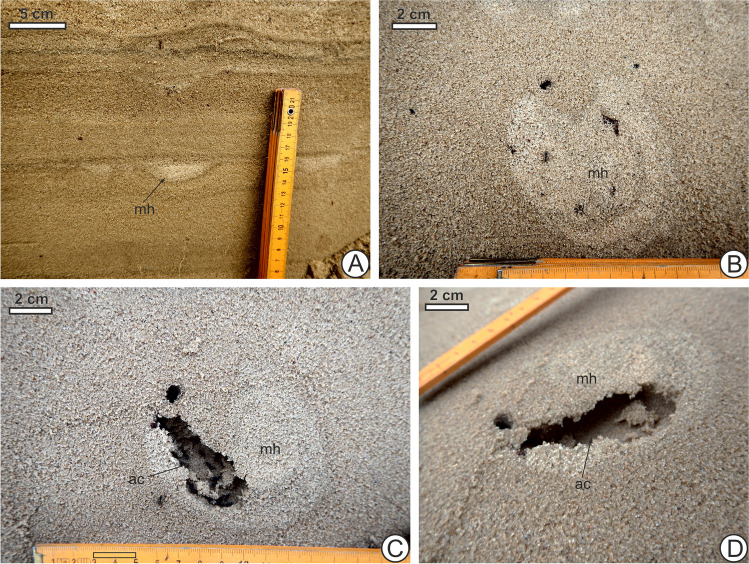
Biotic interactions (e.g., predation, competition, commensalism) where organisms directly or indirectly influenced one another are of great interest to those studying the history of life but have been difficult to ascertain from fossils. Considering the usual caveats about the temporal resolution of paleontological data, traces and trace fossils in the sedimentary record can record co-occurrences of organisms or their behaviours with relatively high spatial fidelity in a location. Neoichnological studies and studies on recently buried traces, where direct trophic links or other connections between tracemakers are well-known, may help interpret when and where overlapping traces represented true biotic interactions. Examples from Holocene paleosols and other buried continental sediments in Poland include the tight association between mole and earthworm burrows, forming an ichnofabric representing a predator-prey relationship, and that of intersecting insect and root traces demonstrating the impact of trees as both ecosystem engineers and the basis for food chains. Trampling by ungulates, which leaves hoofprints and other sedimentary disturbances, may result in amensal or commensal effects on some biota in the short term and create heterogeneity that later trace-making organisms, such as invertebrate burrowers, can also respond to in turn, though such modified or composite traces may be challenging to interpret.
生物相互作用(例如捕食、竞争、共生)是研究生命历史的人非常感兴趣的话题,但这些相互作用很难从化石中确定。考虑到古生物学数据时间分辨率的常见警告,沉积物记录中的痕迹和痕迹化石可以相对高的空间保真度记录生物体的共现或它们的行为。新遗迹学研究和对最近埋藏的痕迹的研究,其中痕迹制造者之间的直接营养联系或其他联系是众所周知的,可能有助于解释重叠痕迹何时何地代表真正的生物相互作用。来自波兰全新世古土壤和其他埋藏大陆沉积物的例子包括鼹鼠和蚯蚓洞穴的紧密关联,形成代表捕食者-猎物关系的遗迹构造,以及昆虫和根系痕迹的交叉表明树木作为生态系统工程师和食物链基础的影响。食草动物的踩踏会留下蹄印和其他沉积物干扰,可能会对短期的一些生物群产生偏利或共生作用,并产生异质性,随后的痕迹制造者,如无脊椎动物的洞穴者,也可以反过来对其做出响应,尽管这种经过修饰或组合的痕迹可能难以解释。