Tomáš Jandáč, Lenka Šťastná
First Faculty of Medicine, Department of Addictology, Charles University, 12108 Prague, Czech Republic.
Department of Addictology, General University Hospital in Prague, 12800 Prague, Czech Republic.
Children (Basel). 2023 Feb 2;10(2):293. doi: 10.3390/children10020293.
The World Health Organisation defines dual diagnosis as the co-occurrence in the same individual of a psychoactive substance use disorder and another psychiatric disorder. Children and adolescents with dual diagnoses represent a significant public health burden in social and financial terms.
The objective of the present paper is to provide a review of studies dealing with dual diagnoses and their prevalence among children and adolescents whose primary treatment involves psychiatric conditions.
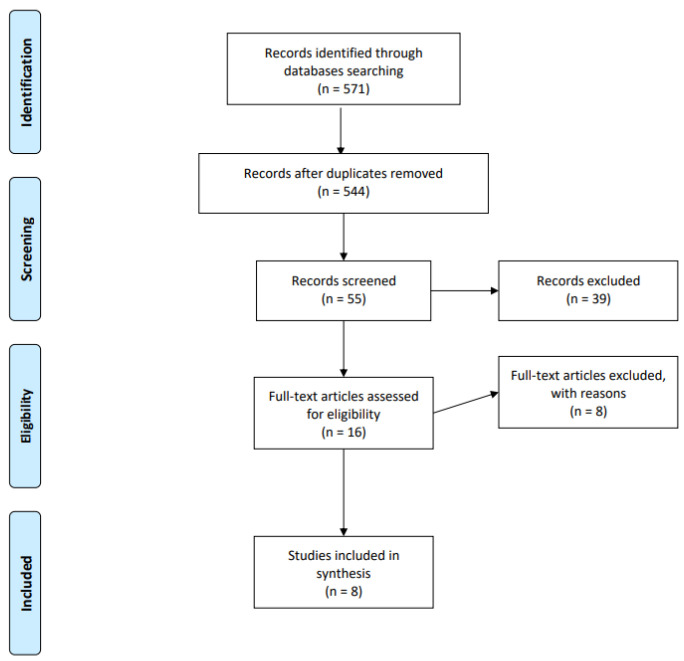
The PRISMA was used to conduct a systematic search. Articles published between January 2010 and May 2022 were searched for analysis.
Eight articles were eventually found eligible for the final content analysis. The analysis of the articles identified the prevalence of dual diagnoses among children and adolescents treated primarily for psychiatric conditions, the gender-specific occurrence of dual diagnoses, methods used to diagnose psychiatric and substance use disorders, types of psychiatric diagnoses involved in dual diagnoses, and prevalence differences contingent on the type of service provision as the main thematic areas. The prevalence of dual diagnoses among the target population ranged from 18.3% to 54% (mean 32.7%). Boys were more likely to experience dual diagnoses and affective disorders were the most frequent psychiatric diagnoses.
The importance of the issue and the high prevalence of dual diagnoses make it imperative that this type of research is pursued.
世界卫生组织将双重诊断定义为在同一个体中同时存在精神活性物质使用障碍和另一种精神障碍。患有双重诊断的儿童和青少年在社会和经济方面构成了重大的公共卫生负担。
本文的目的是综述有关双重诊断及其在主要治疗涉及精神疾病的儿童和青少年中的患病率的研究。
采用PRISMA进行系统检索。检索2010年1月至2022年5月发表的文章进行分析。
最终发现8篇文章符合最终内容分析的条件。对这些文章的分析确定了主要接受精神疾病治疗的儿童和青少年中双重诊断的患病率、双重诊断的性别差异、用于诊断精神疾病和物质使用障碍的方法、双重诊断中涉及的精神疾病诊断类型以及因服务提供类型而异的患病率差异等主要主题领域。目标人群中双重诊断的患病率在18.3%至54%之间(平均32.7%)。男孩更容易出现双重诊断,情感障碍是最常见的精神疾病诊断。
该问题的重要性以及双重诊断的高患病率使得开展此类研究势在必行。