Department of Medical Biology, Medical University of Plovdiv, 4000 Plovdiv, Bulgaria.
Research Institute at Medical University of Plovdiv (RIMU), 4000 Plovdiv, Bulgaria.
Int J Mol Sci. 2023 Feb 8;24(4):3378. doi: 10.3390/ijms24043378.
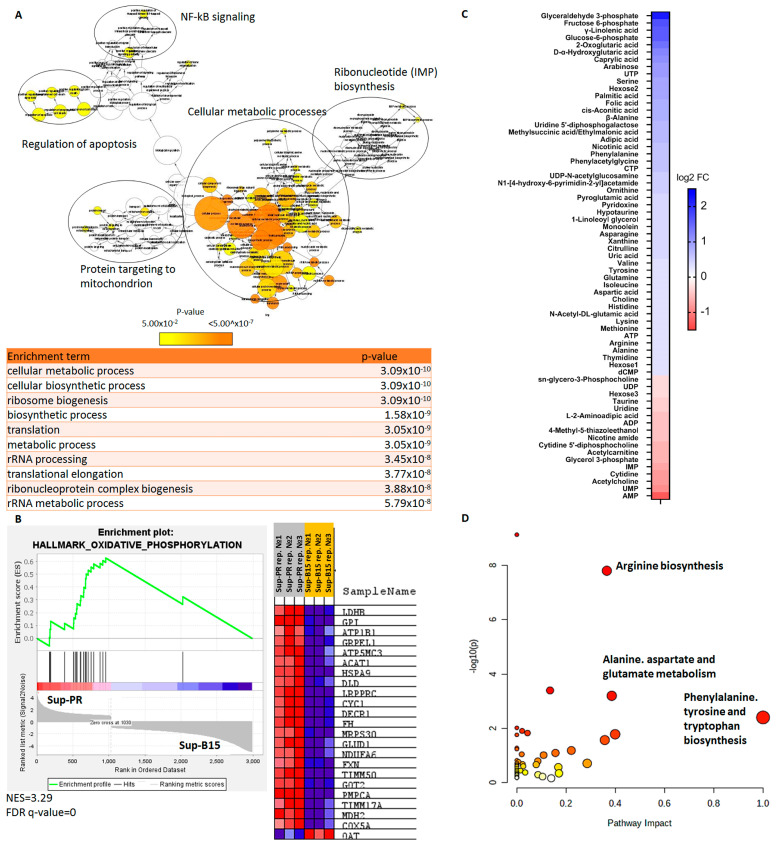
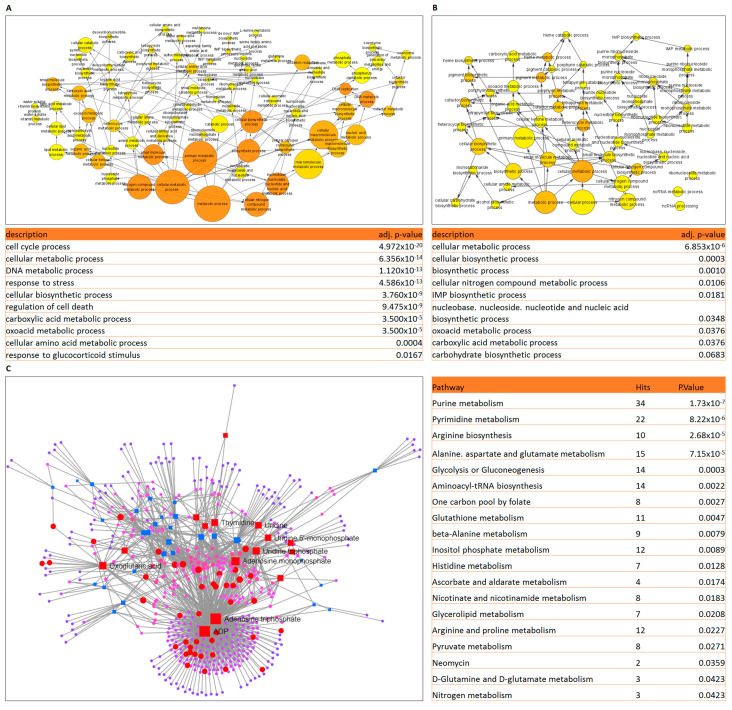
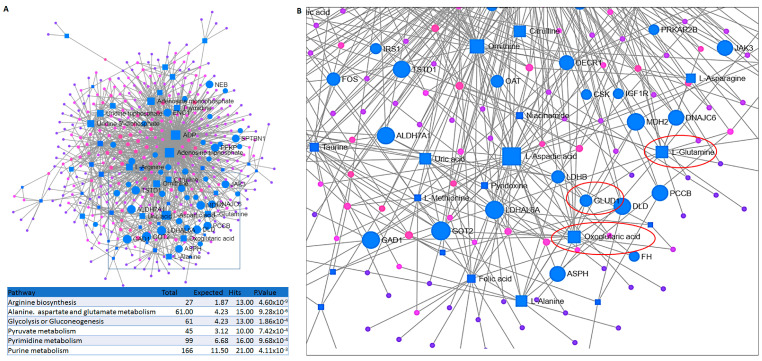
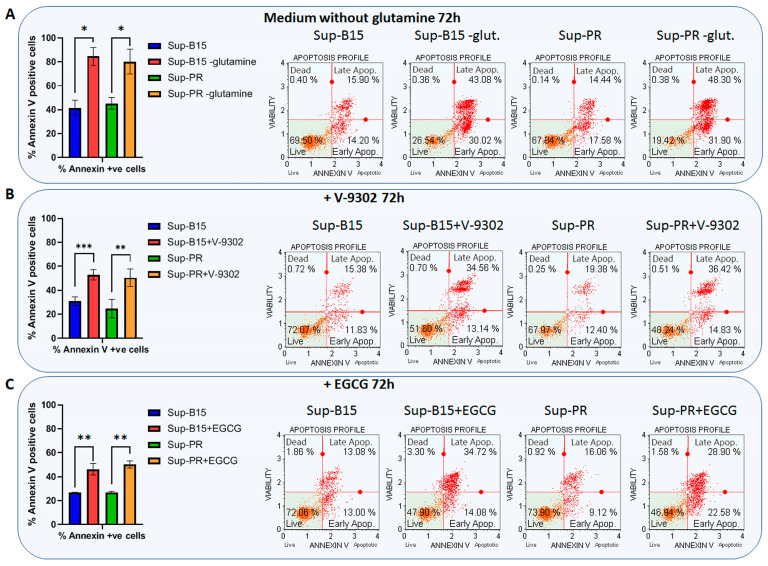
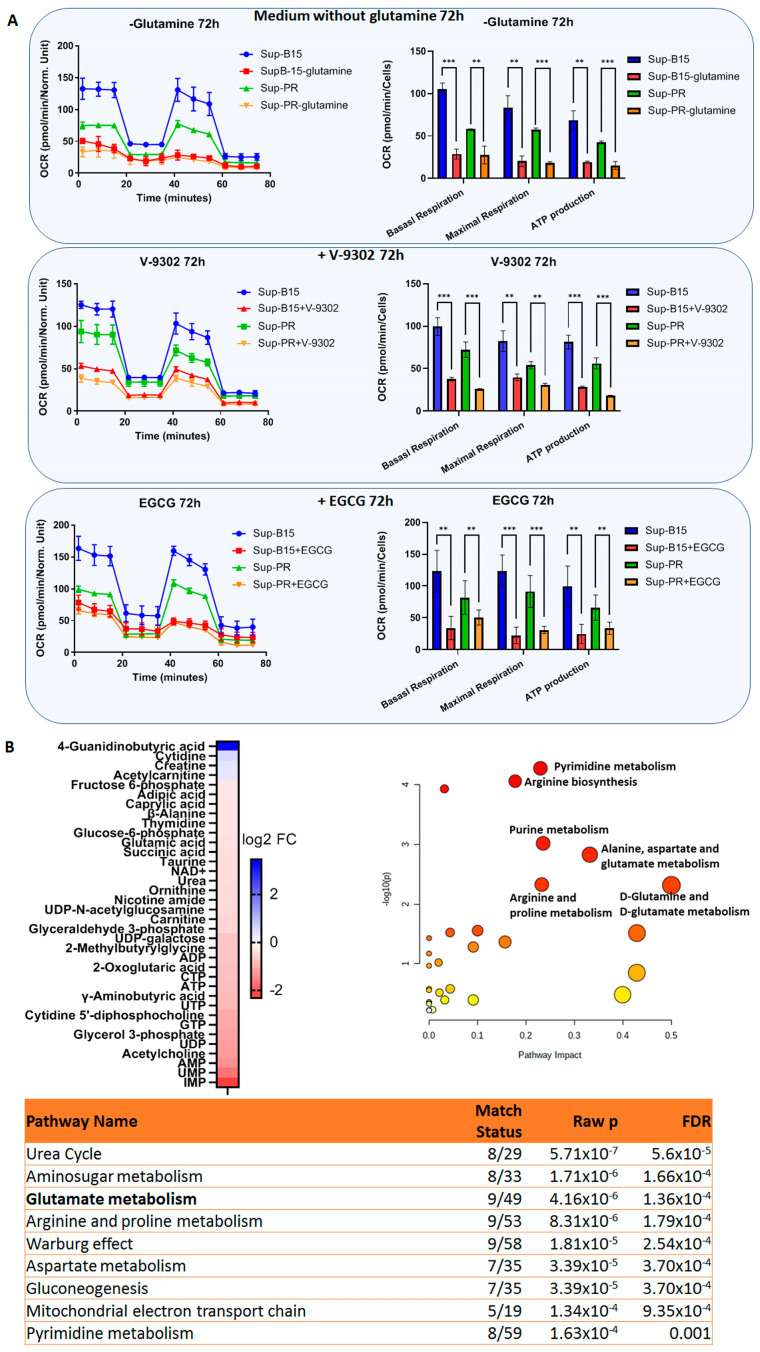
The prognosis for patients with relapsed childhood acute lymphoblastic leukaemia (cALL) remains poor. The main reason for treatment failure is drug resistance, most commonly to glucocorticoids (GCs). The molecular differences between prednisolone-sensitive and -resistant lymphoblasts are not well-studied, thereby precluding the development of novel and targeted therapies. Therefore, the aim of this work was to elucidate at least some aspects of the molecular differences between matched pairs of GC-sensitive and -resistant cell lines. To address this, we carried out an integrated transcriptomic and metabolomic analysis, which revealed that lack of response to prednisolone may be underpinned by alterations in oxidative phosphorylation, glycolysis, amino acid, pyruvate and nucleotide biosynthesis, as well as activation of mTORC1 and MYC signalling, which are also known to control cell metabolism. In an attempt to explore the potential therapeutic effect of inhibiting one of the hits from our analysis, we targeted the glutamine-glutamate-α-ketoglutarate axis by three different strategies, all of which impaired mitochondrial respiration and ATP production and induced apoptosis. Thereby, we report that prednisolone resistance may be accompanied by considerable rewiring of transcriptional and biosynthesis programs. Among other druggable targets that were identified in this study, inhibition of glutamine metabolism presents a potential therapeutic approach in GC-sensitive, but more importantly, in GC-resistant cALL cells. Lastly, these findings may be clinically relevant in the context of relapse-in publicly available datasets, we found gene expression patterns suggesting that in vivo drug resistance is characterised by similar metabolic dysregulation to what we found in our in vitro model.
儿童急性淋巴细胞白血病 (cALL) 患者的预后仍然较差。治疗失败的主要原因是耐药性,最常见的是对糖皮质激素 (GCs) 的耐药性。泼尼松敏感和耐药淋巴细胞之间的分子差异尚未得到很好的研究,从而阻碍了新型和靶向治疗的发展。因此,这项工作的目的是阐明至少一些泼尼松敏感和耐药细胞系之间的分子差异。为了解决这个问题,我们进行了综合的转录组学和代谢组学分析,结果表明,对泼尼松缺乏反应可能是由于氧化磷酸化、糖酵解、氨基酸、丙酮酸和核苷酸生物合成的改变以及 mTORC1 和 MYC 信号通路的激活所致,这些通路也已知可控制细胞代谢。为了探索抑制我们分析中的一个命中靶点的潜在治疗效果,我们通过三种不同的策略靶向谷氨酰胺-谷氨酸-α-酮戊二酸轴,所有这些策略都损害了线粒体呼吸和 ATP 产生并诱导了细胞凋亡。因此,我们报告说泼尼松耐药可能伴随着转录和生物合成程序的重大重排。在本研究中确定的其他可用药靶中,抑制谷氨酰胺代谢在 GC 敏感细胞中呈现出一种潜在的治疗方法,更重要的是,在 GC 耐药 cALL 细胞中也呈现出一种潜在的治疗方法。最后,这些发现可能与我们的体外模型中发现的代谢失调相似,在公共可用数据集的背景下,我们发现基因表达模式表明体内耐药性具有临床相关性。