Embryo Technology and Stem Cell Research Center, School of Biotechnology, Institute of Agricultural Technology, Suranaree University of Technology, Nakhon Ratchasima 30000, Thailand.
Laboratory of Embryo Technology, Institute of Biotechnology, Vietnam Academy of Science and Technology, Hanoi 100000, Vietnam.
Int J Mol Sci. 2023 Feb 14;24(4):3846. doi: 10.3390/ijms24043846.
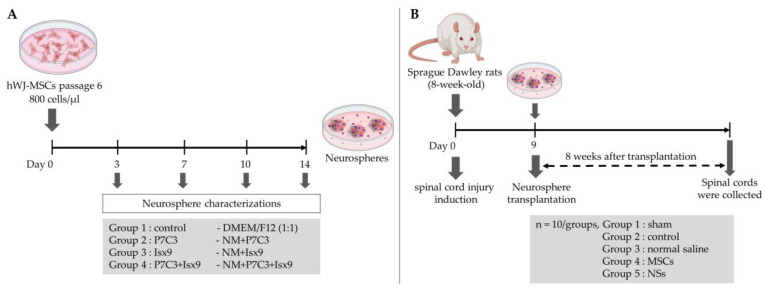
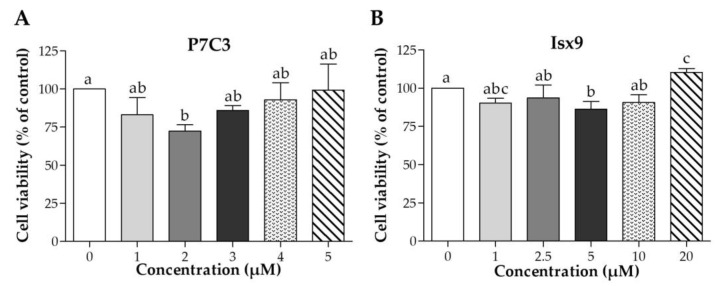
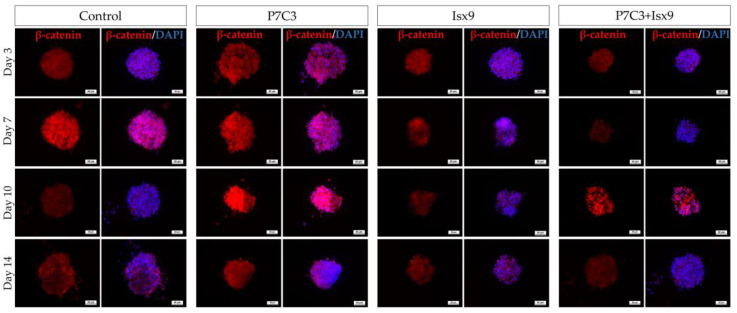
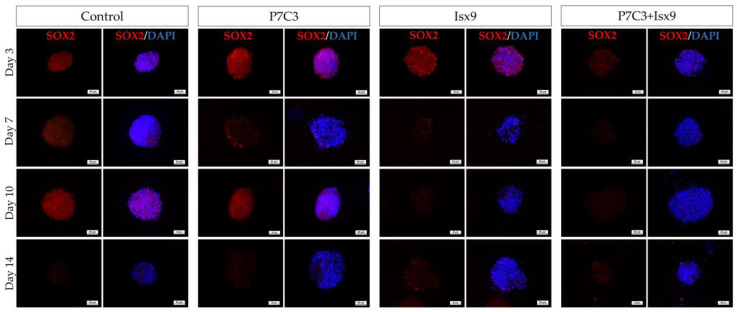
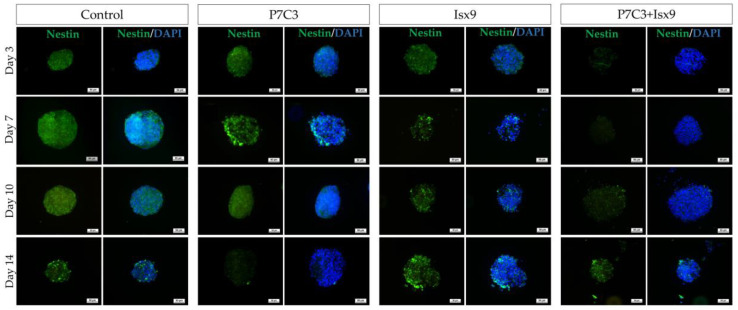
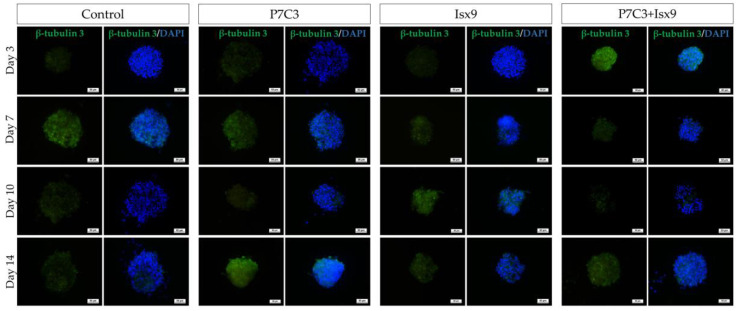
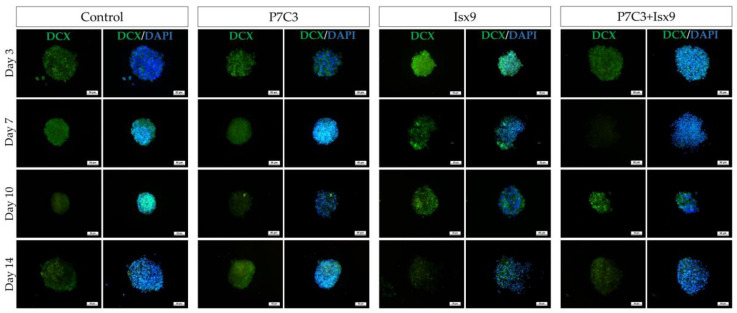
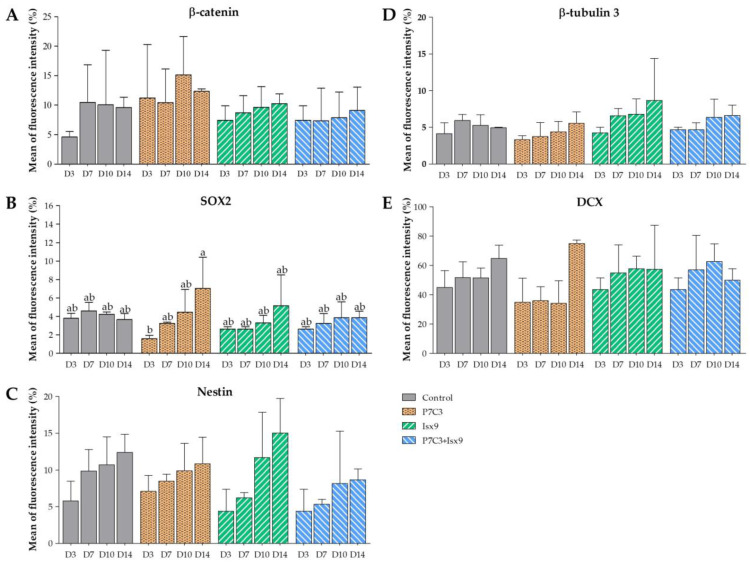
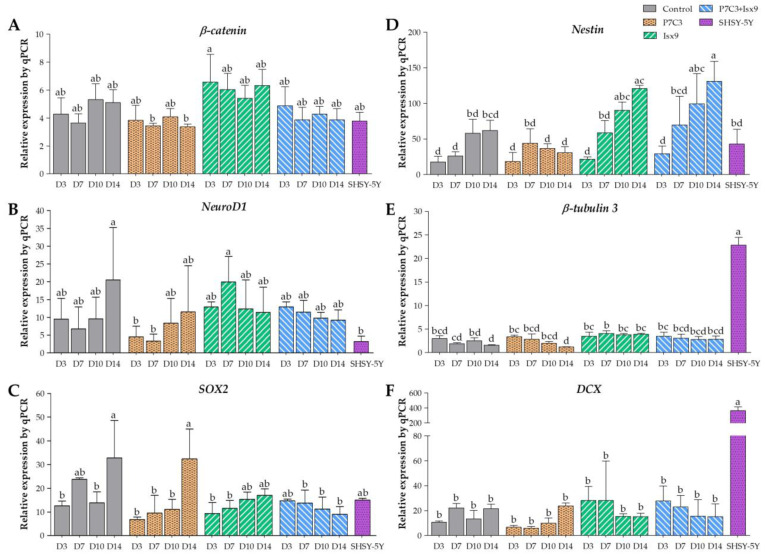
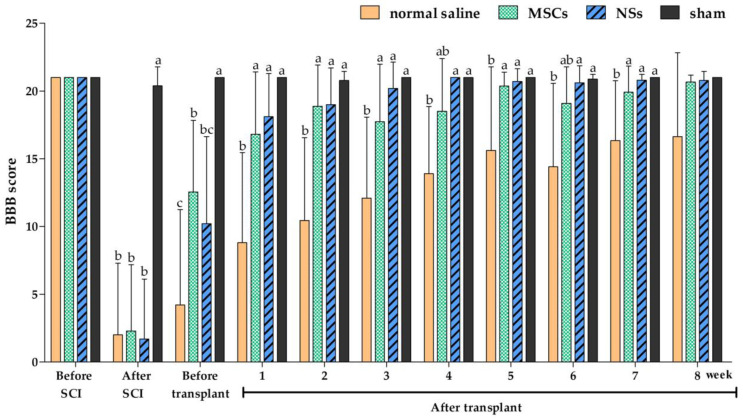
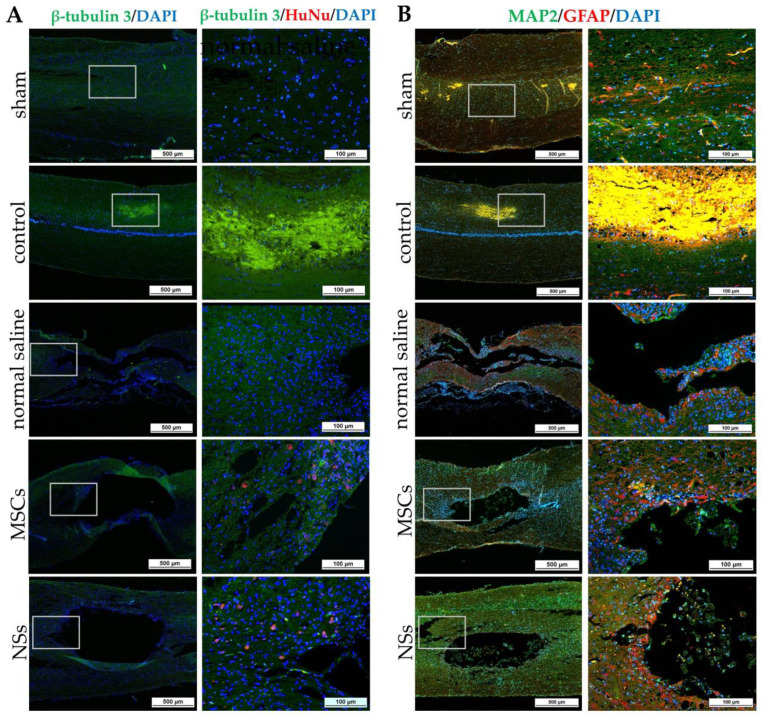
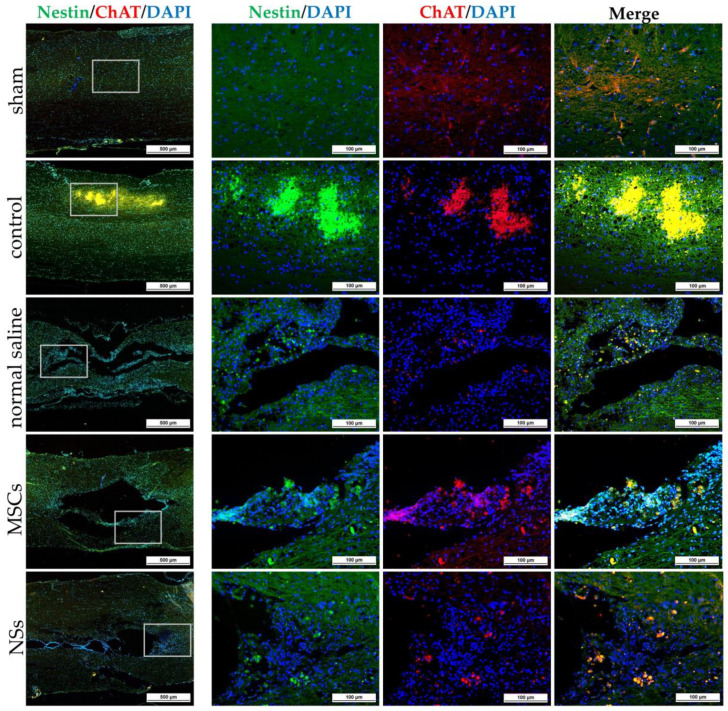
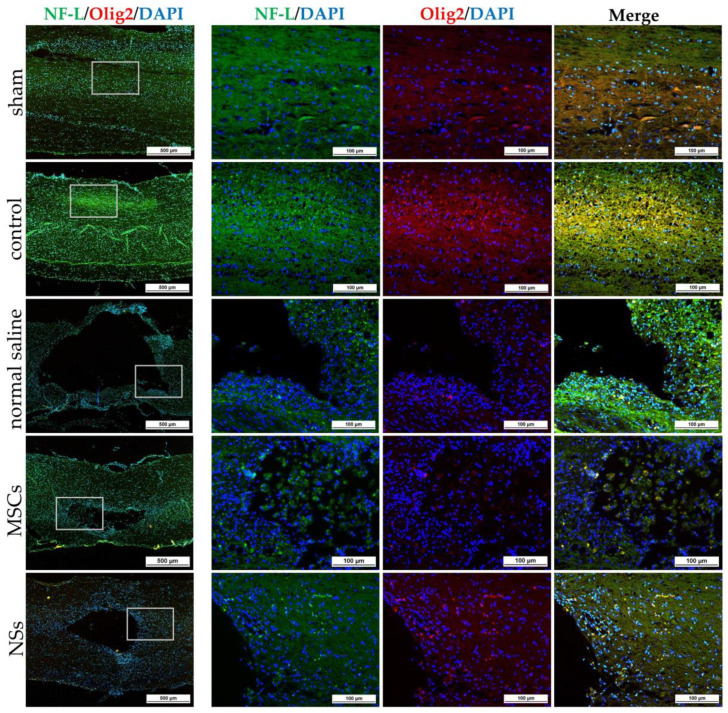
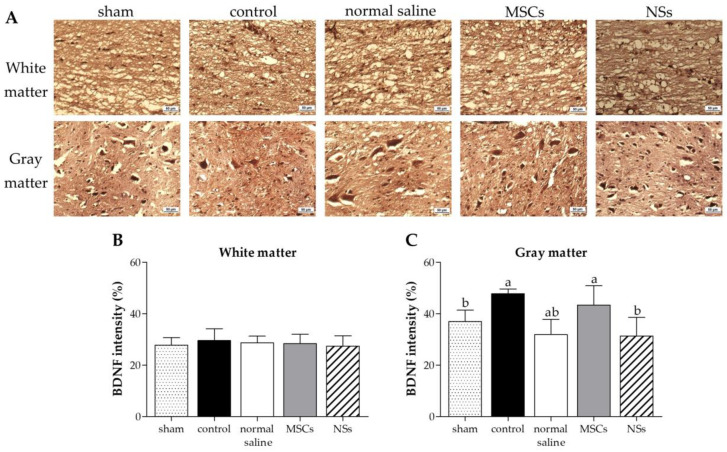
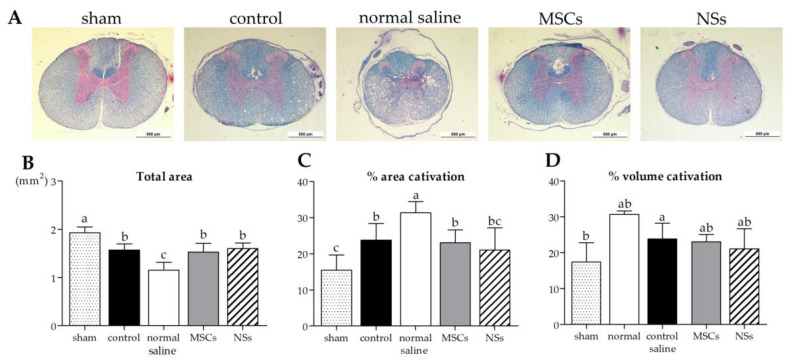
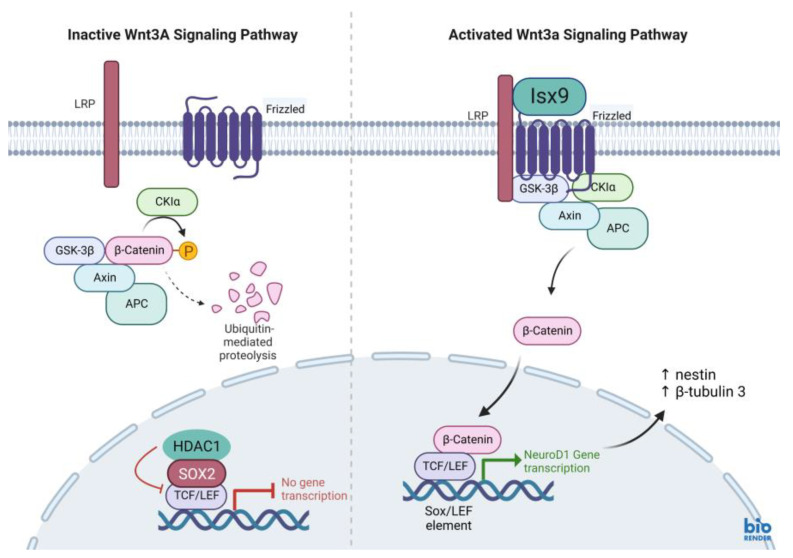
Spinal cord injury (SCI) causes inflammation and neuronal degeneration, resulting in functional movement loss. Since the availability of SCI treatments is still limited, stem cell therapy is an alternative clinical treatment for SCI and neurodegenerative disorders. Human umbilical cord Wharton's jelly-derived mesenchymal stem cells (hWJ-MSCs) are an excellent option for cell therapy. This study aimed to induce hWJ-MSCs into neural stem/progenitor cells in sphere formation (neurospheres) by using neurogenesis-enhancing small molecules (P7C3 and Isx9) and transplant to recover an SCI in a rat model. Inducted neurospheres were characterized by immunocytochemistry (ICC) and gene expression analysis. The best condition group was selected for transplantation. The results showed that the neurospheres induced by 10 µM Isx9 for 7 days produced neural stem/progenitor cell markers such as Nestin and β-tubulin 3 through the Wnt3A signaling pathway regulation markers ( and gene expression). The neurospheres from the 7-day Isx9 group were selected to be transplanted into 9-day-old SCI rats. Eight weeks after transplantation, rats transplanted with the neurospheres could move normally, as shown by behavioral tests. MSCs and neurosphere cells were detected in the injured spinal cord tissue and produced neurotransmitter activity. Neurosphere-transplanted rats showed the lowest cavity size of the SCI tissue resulting from the injury recovery mechanism. In conclusion, hWJ-MSCs could differentiate into neurospheres using 10 µM Isx9 media through the Wnt3A signaling pathway. The locomotion and tissue recovery of the SCI rats with neurosphere transplantation were better than those without transplantation.
脊髓损伤(SCI)会引起炎症和神经元变性,导致运动功能丧失。由于 SCI 治疗的可用性仍然有限,因此干细胞疗法是 SCI 和神经退行性疾病的另一种临床治疗选择。人脐带华通氏胶来源的间充质干细胞(hWJ-MSCs)是细胞治疗的绝佳选择。本研究旨在通过使用神经发生增强的小分子(P7C3 和 Isx9)将 hWJ-MSCs 在球体形成(神经球)中诱导为神经干细胞/祖细胞,并将其移植到大鼠 SCI 模型中以恢复其功能。通过免疫细胞化学(ICC)和基因表达分析对诱导的神经球进行了特征描述。选择最佳条件组进行移植。结果表明,通过 Wnt3A 信号通路调节标志物(和 基因表达),用 10µM Isx9 诱导 7 天产生的神经球产生神经干细胞/祖细胞标志物,如巢蛋白和 β-微管蛋白 3。选择来自 7 天 Isx9 组的神经球进行 9 天大的 SCI 大鼠移植。移植 8 周后,通过行为测试显示,移植神经球的大鼠能够正常移动。MSCs 和神经球细胞在损伤的脊髓组织中被检测到,并产生神经递质活性。神经球移植大鼠的 SCI 组织中的腔隙最小,这是由于损伤恢复机制所致。总之,hWJ-MSCs 可以通过 Wnt3A 信号通路在 10µM Isx9 培养基中分化为神经球。与未移植的大鼠相比,移植神经球的 SCI 大鼠的运动和组织恢复更好。