Cheng Zhiqing, Zhao Hong, Long Guangcheng, Yang Kai, Chen Mengting, Wu Zhi
School of Civil Engineering, Central South University, Changsha 410075, China.
Yunnan Traffic Science Research Institute Co., Ltd., Kunming 650011, China.
Materials (Basel). 2023 Feb 17;16(4):1695. doi: 10.3390/ma16041695.
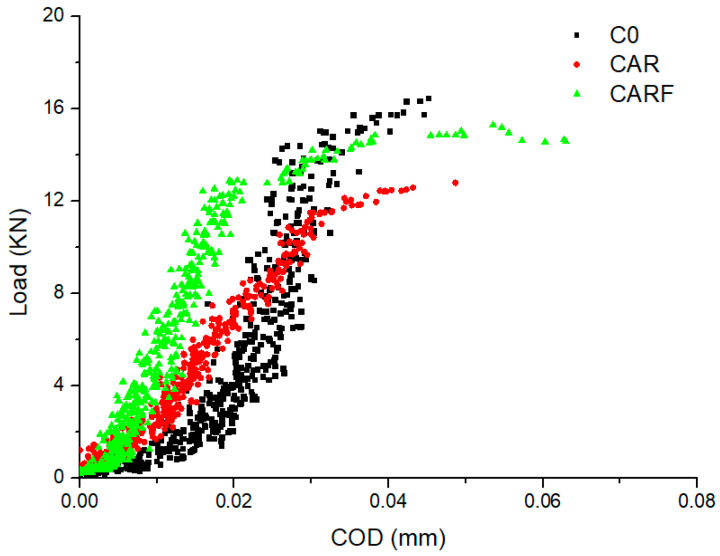
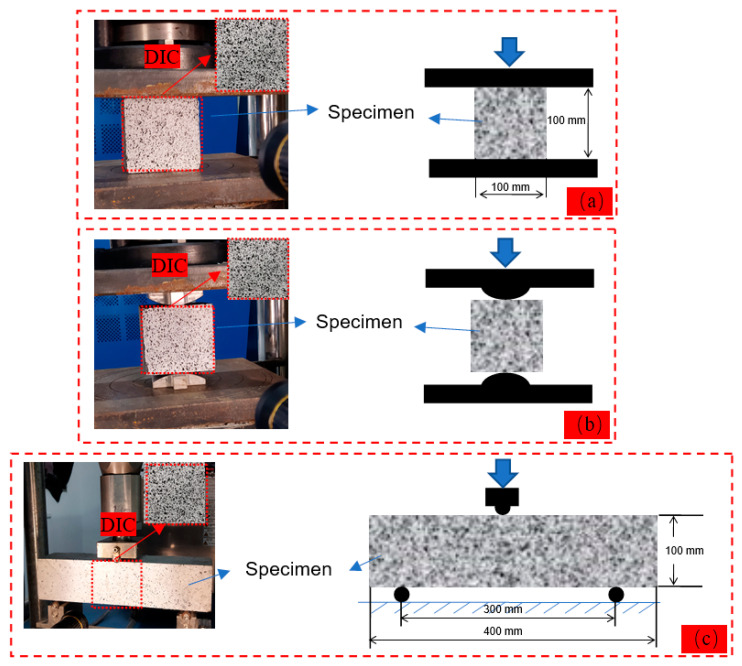
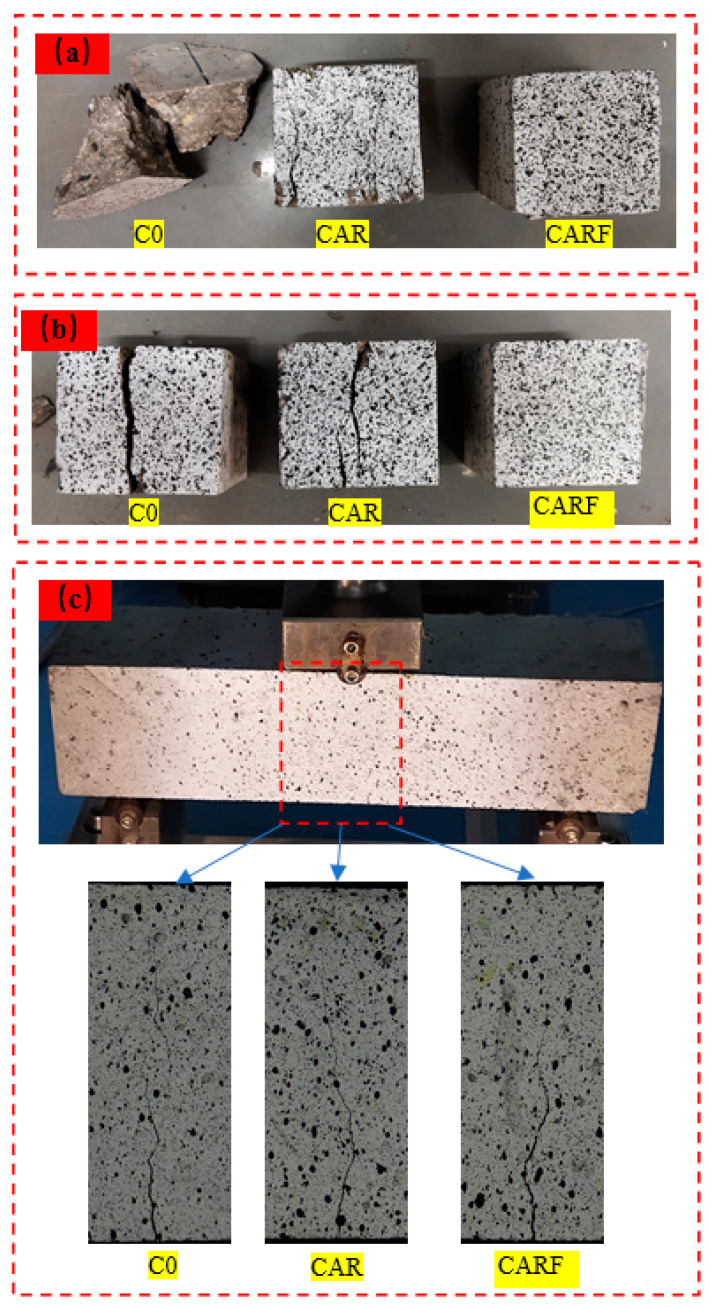
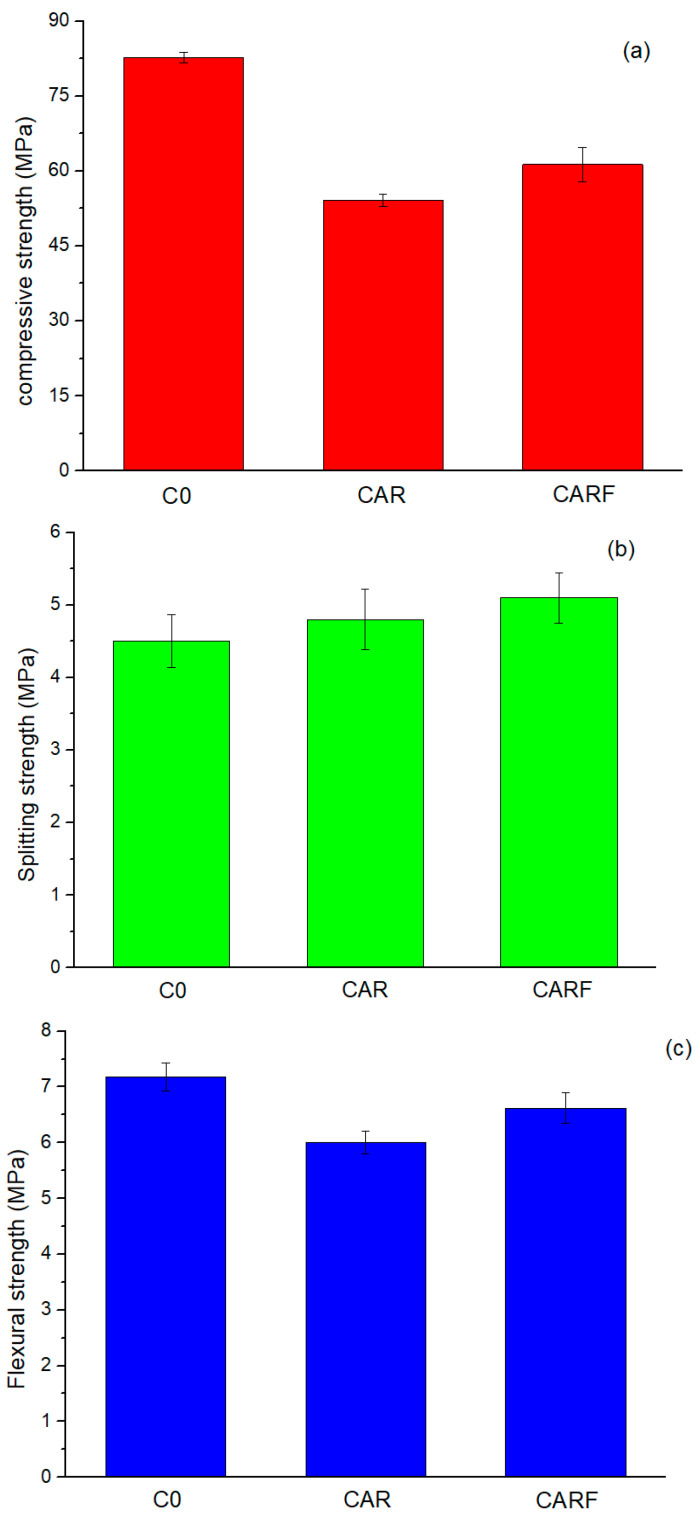
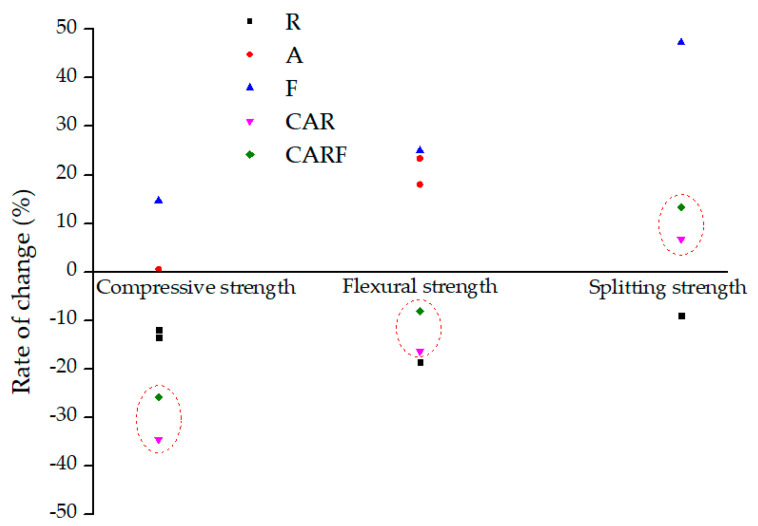
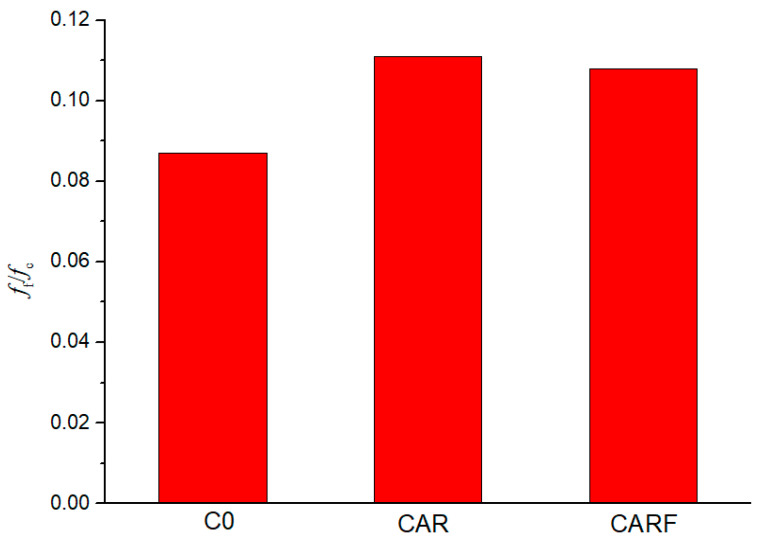
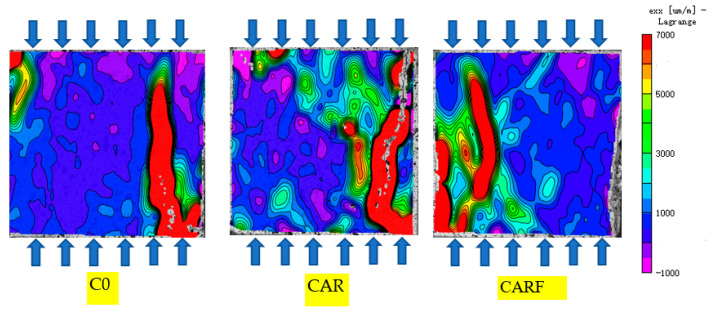
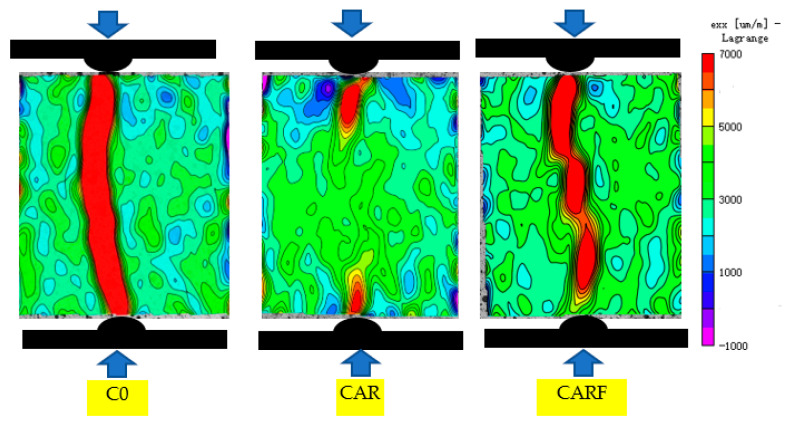
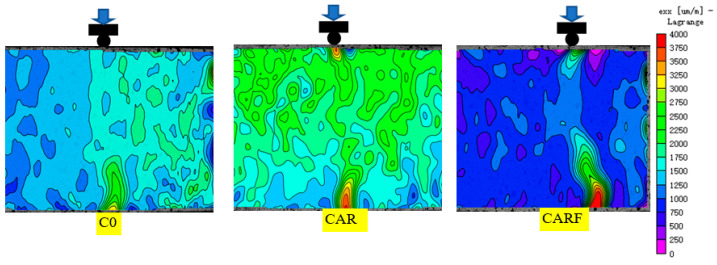
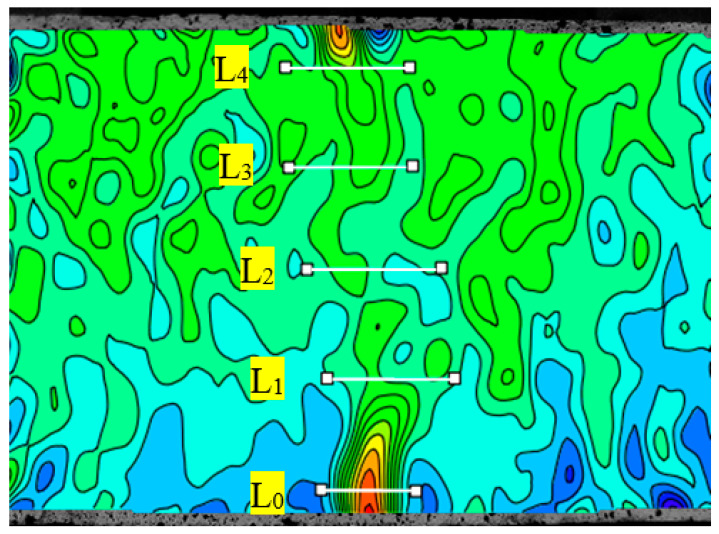
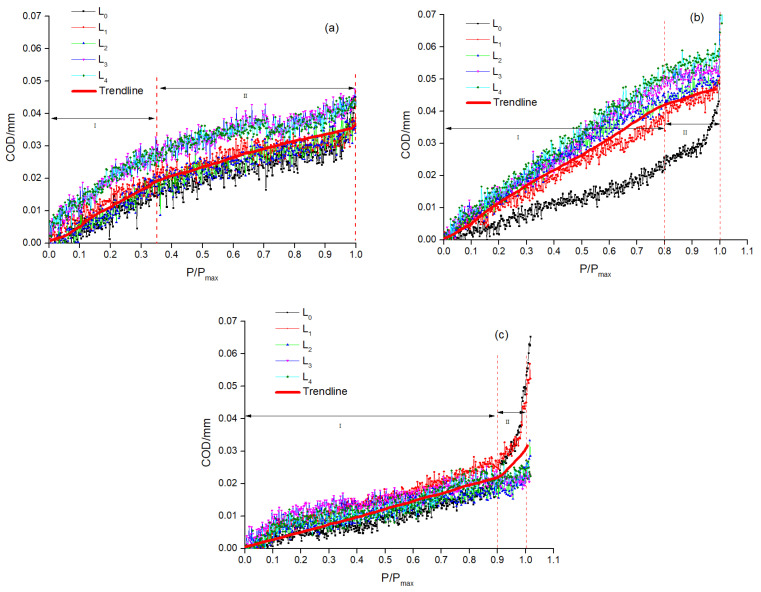
Brittle fracture is a typical mechanical characteristic of high-strength self-compacting concrete, and the research on its toughening modification remains the highlight in the engineering field. To understand the effect of toughening materials (including polymer latex powders, rubber particles, and polyethylene fibers) on the mechanical behavior of C80 high-strength self-compacting concrete under static loading, the failure mode, mechanical strength, strain field, and crack opening displacement (COD) of prepared high-strength self-compacting concrete under compressive, splitting, and flexural loads were studied based on digital image technology (DIC). The corresponding mechanism is also discussed. The results show that the hybrid of polymer latex powders, rubber particles, and polyethylene fibers can increase the crack path and inhibit the development of macrocracks in concrete, thus turning the fracture behavior of concrete from brittle to ductile. The addition of toughening materials reduced the compressive and flexural strengths of high-strength self-compacting concrete, but it increased the splitting strength. DIC showed that the incorporation of toughening materials promoted the redistribution of strain and reduced the degree of strain concentration in high-strength self-compacting concrete. The evolution of COD in high-strength self-compacting concrete can be divided into two stages, including the linear growth stage and the plastic yield stage. The linear growth stage can be extended by incorporating toughening materials. The COD and energy absorption capacity of concrete were enhanced with the addition of toughening materials, and the best enhancement was observed with the hybrid of polymer latex powders, rubber particles, and polyethylene fibers. Overall, this research provides a reference for exploring effective technical measures to improve the toughness of high-strength self-compacting concrete.
脆性断裂是高强度自密实混凝土的典型力学特性,对其增韧改性的研究一直是工程领域的热点。为了解增韧材料(包括聚合物乳胶粉、橡胶颗粒和聚乙烯纤维)对C80高强度自密实混凝土在静态加载下力学性能的影响,基于数字图像技术(DIC)研究了制备的高强度自密实混凝土在压缩、劈裂和弯曲荷载作用下的破坏模式、力学强度、应变场和裂缝开口位移(COD)。并对相应机理进行了探讨。结果表明,聚合物乳胶粉、橡胶颗粒和聚乙烯纤维的混杂可以增加混凝土的裂缝路径,抑制宏观裂缝的发展,从而使混凝土的断裂行为由脆性转变为延性。增韧材料的加入降低了高强度自密实混凝土的抗压强度和抗弯强度,但提高了劈裂强度。DIC表明,增韧材料的掺入促进了高强度自密实混凝土中应变的重新分布,降低了应变集中程度。高强度自密实混凝土中COD的演化可分为两个阶段,包括线性增长阶段和塑性屈服阶段。掺入增韧材料可以延长线性增长阶段。增韧材料的加入提高了混凝土的COD和能量吸收能力,其中聚合物乳胶粉、橡胶颗粒和聚乙烯纤维的混杂效果最佳。总体而言,本研究为探索提高高强度自密实混凝土韧性的有效技术措施提供了参考。