Nawaz Tahir, Ali Asghar, Ahmad Shahbaz, Piatkowski Piotr, Alnaser Ali S
Department of Physics, American University of Sharjah, Sharjah 26666, United Arab Emirates.
Materials Science and Engineering Program, College of Arts and Sciences, American University of Sharjah, Sharjah 26666, United Arab Emirates.
Nanomaterials (Basel). 2023 Feb 6;13(4):644. doi: 10.3390/nano13040644.
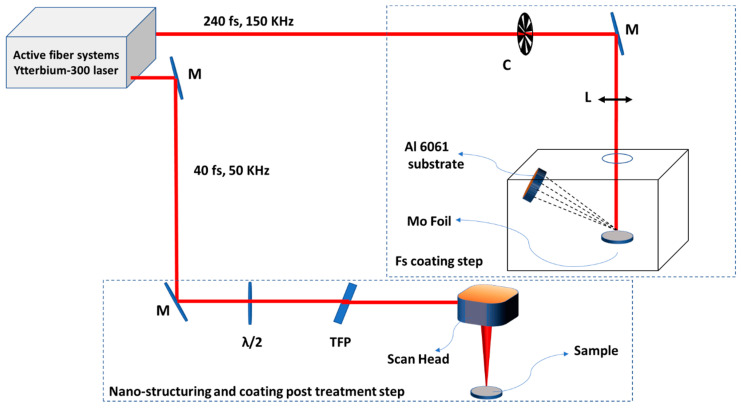
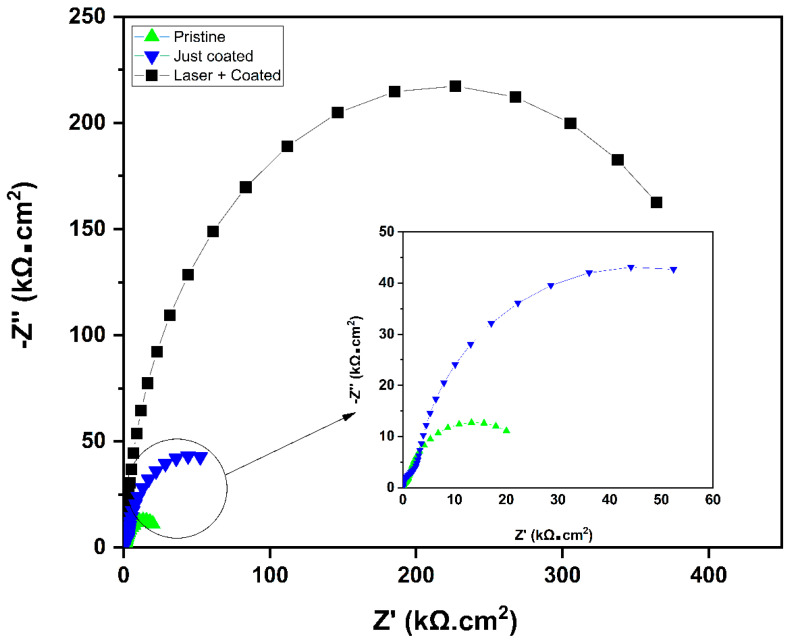
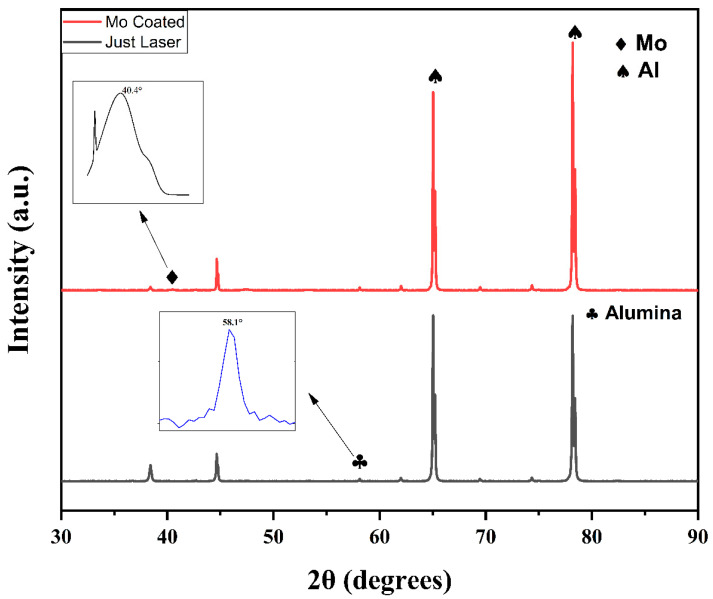
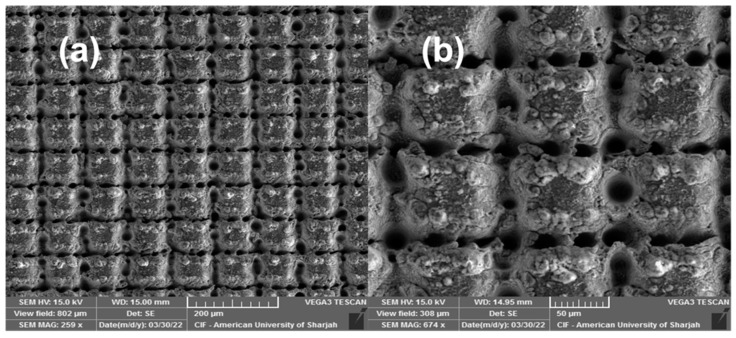
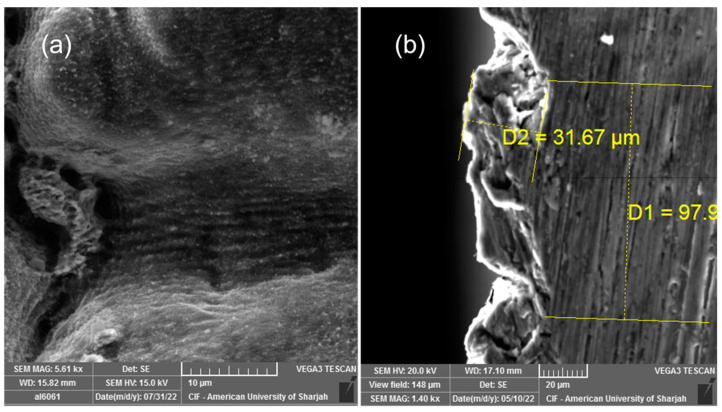
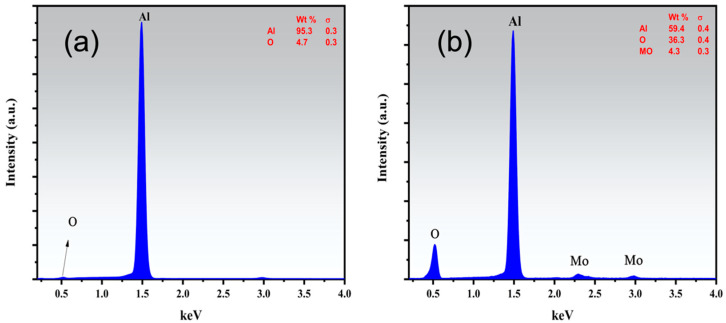
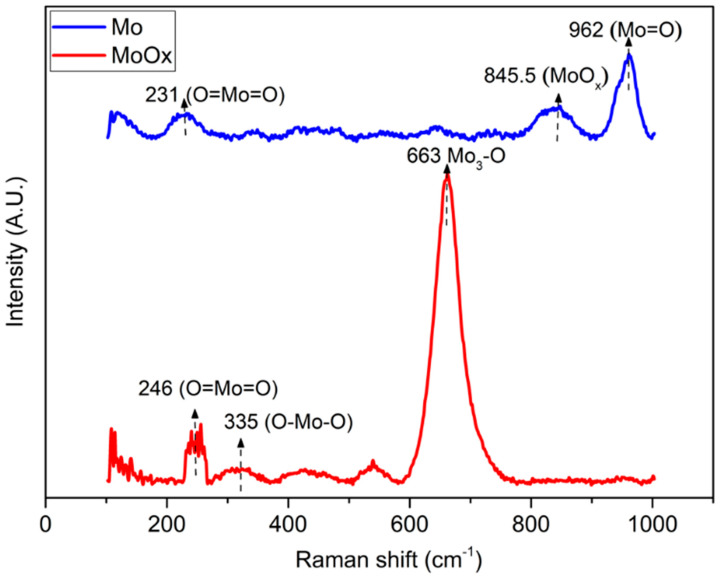
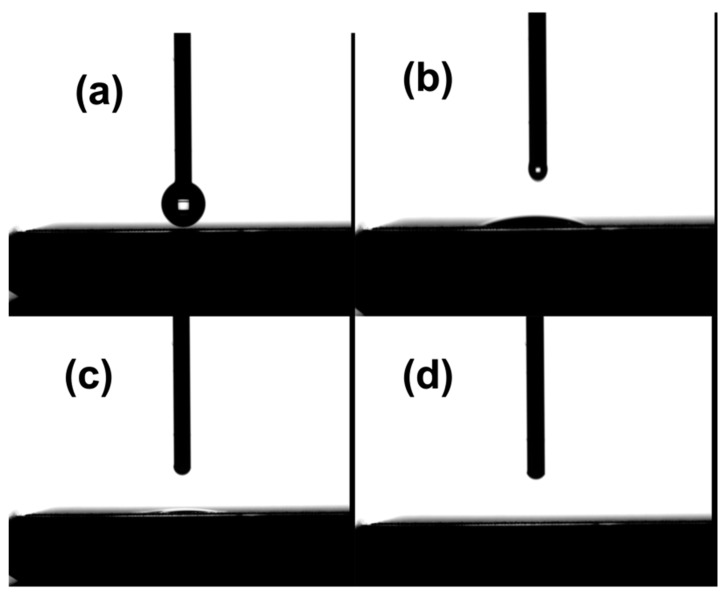
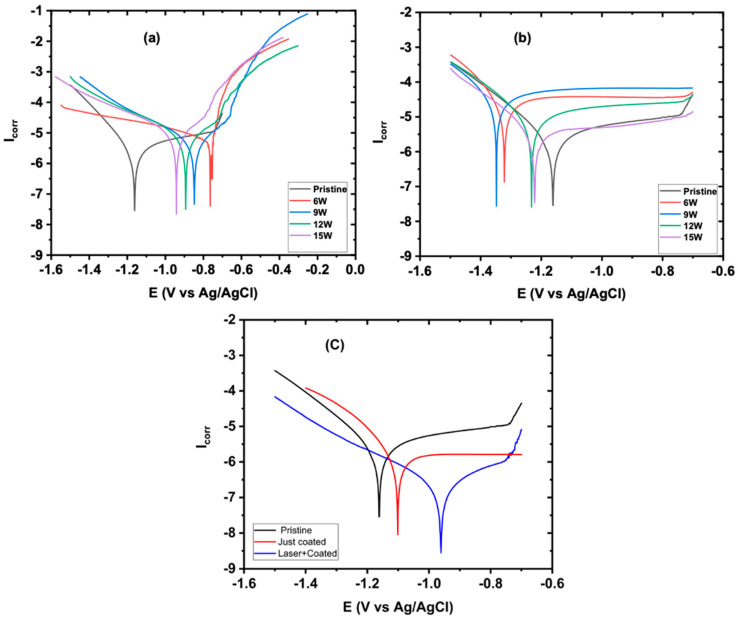
We report a robust two-step method for developing adherent and anticorrosive molybdenum (Mo)-based coatings over an aluminum (Al) 6061 alloy substrate using a femtosecond (fs) laser. The fs laser nanostructuring of Al 6061 alloy in air gives rise to regular arrays of microgrooves exhibiting superhydrophilic surface properties. The microstructured surface is further coated with an Mo layer using the fs-pulsed laser deposition (fs-PLD) technique. The combination of the two femtosecond laser surface treatments (microstructuring followed by coating) enabled the development of a highly corrosion-resistant surface, with a corrosion current of magnitude less than that of the pristine, the only structured, and the annealed alloy samples. The underlying mechanism is attributed to the laser-assisted formation of highly rough hierarchical oxide structures on the Al 6061 surface along with post heat treatment, which passivates the surface and provide the necessary platform for firm adhesion for Mo coating. Our results reveal that the corrosive nature of the Al-based alloys can be controlled and improved using a combined approach of femtosecond laser-based surface structuring and coating.
我们报道了一种稳健的两步法,用于在6061铝合金基底上使用飞秒(fs)激光制备具有附着力且耐腐蚀的钼(Mo)基涂层。在空气中对6061铝合金进行飞秒激光纳米结构化处理,会产生呈现超亲水表面特性的规则微槽阵列。使用飞秒脉冲激光沉积(fs-PLD)技术在微结构化表面进一步涂覆Mo层。这两种飞秒激光表面处理(先微结构化再涂覆)相结合,能够开发出高度耐腐蚀的表面,其腐蚀电流大小小于原始合金、仅经过结构化处理的合金以及退火合金样品。其潜在机制归因于在6061铝合金表面激光辅助形成高度粗糙的分级氧化物结构以及后续的热处理,这使表面钝化,并为Mo涂层的牢固附着提供了必要的平台。我们的结果表明,使用基于飞秒激光的表面结构化和涂覆相结合的方法,可以控制和改善铝基合金的腐蚀性。