Zhang Kunfeng, Fu Jingxin, Liu Xiaorui, Guo Yifei, Han Meihua, Liu Meifeng, Wang Xiangtao
School of Pharmacy, Henan University of Chinese Medicine, Zhengzhou 450046, China.
Institute of Medicinal Plant Development, Chinese Academy of Medical Sciences & Peking Union Medical College, Beijing 100193, China.
Pharmaceutics. 2023 Jan 24;15(2):388. doi: 10.3390/pharmaceutics15020388.
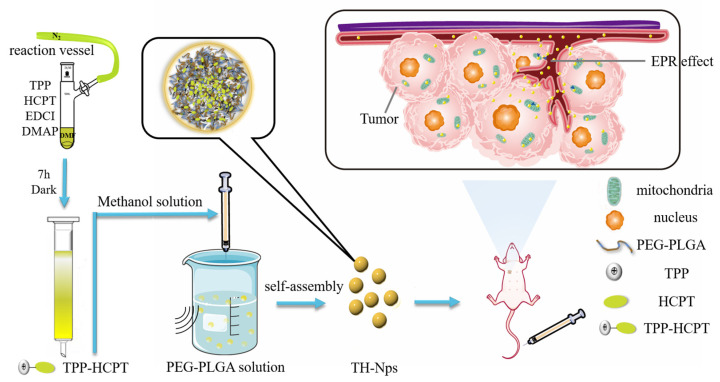
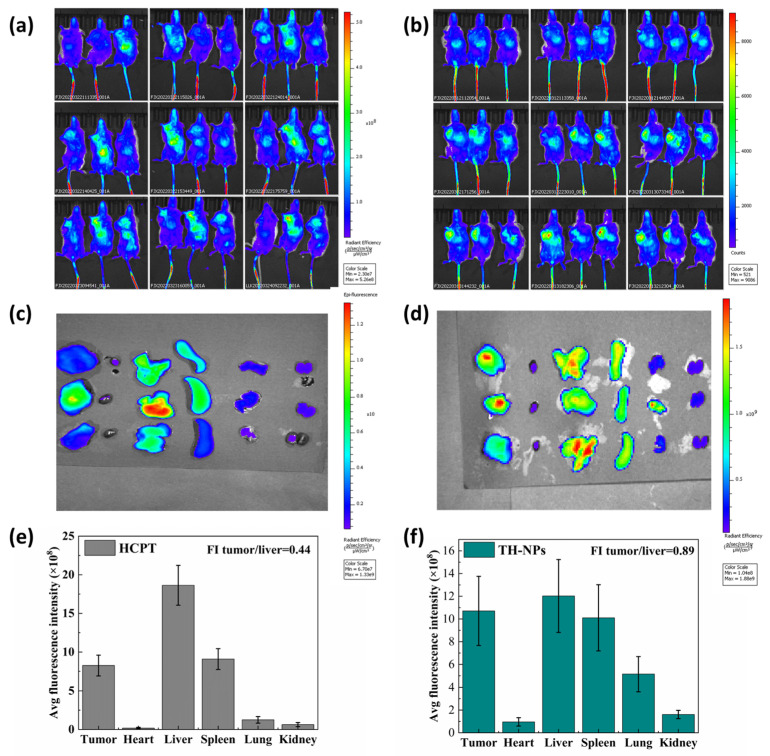
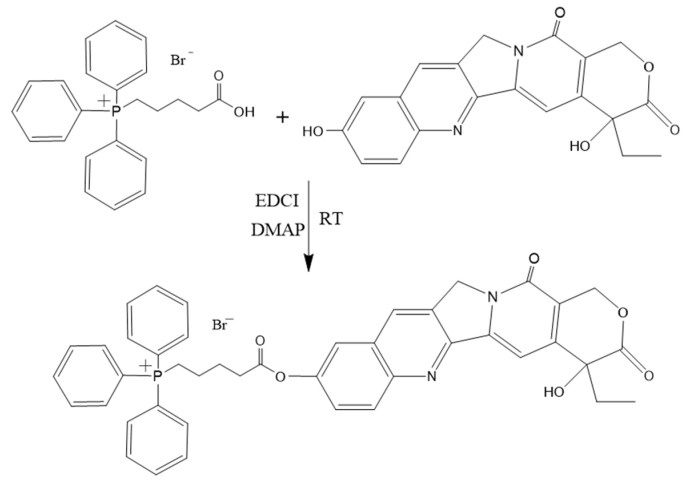
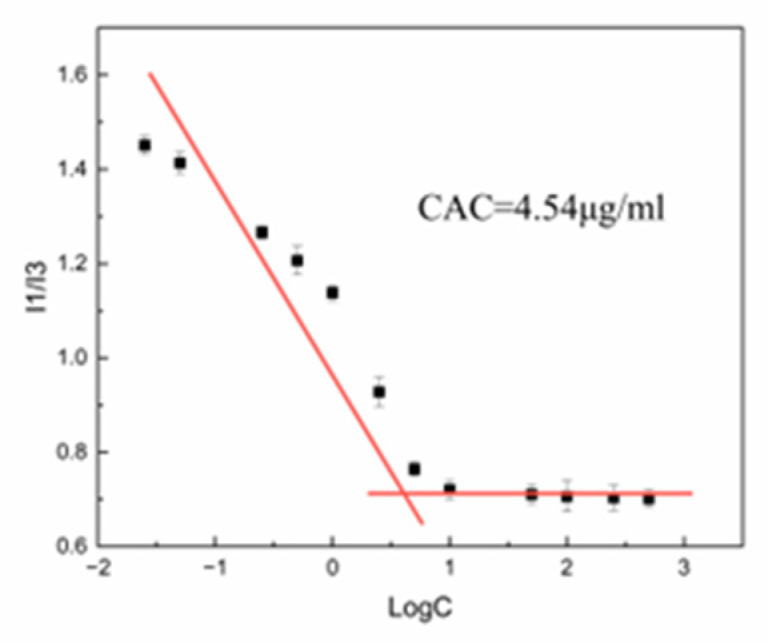
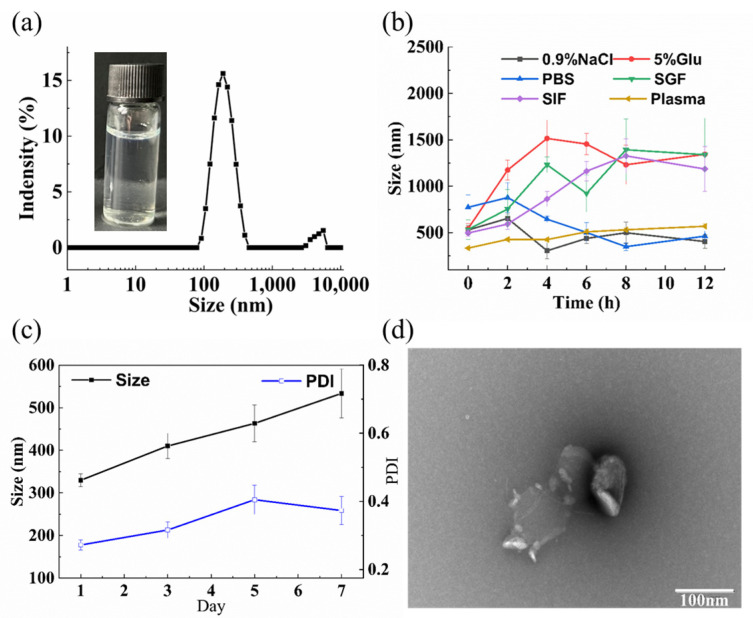
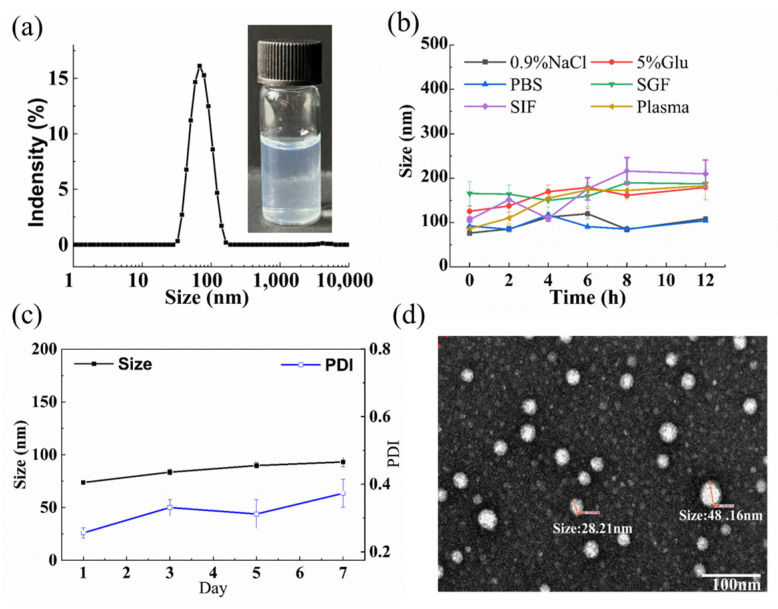
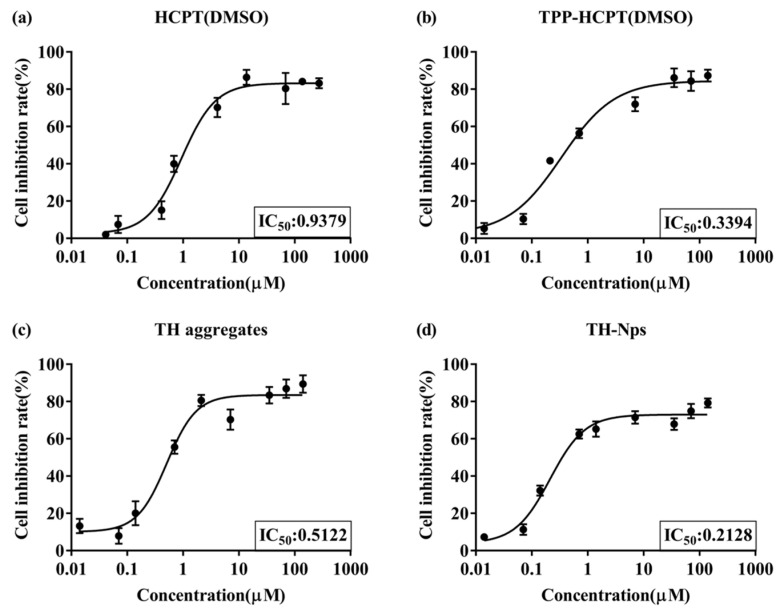
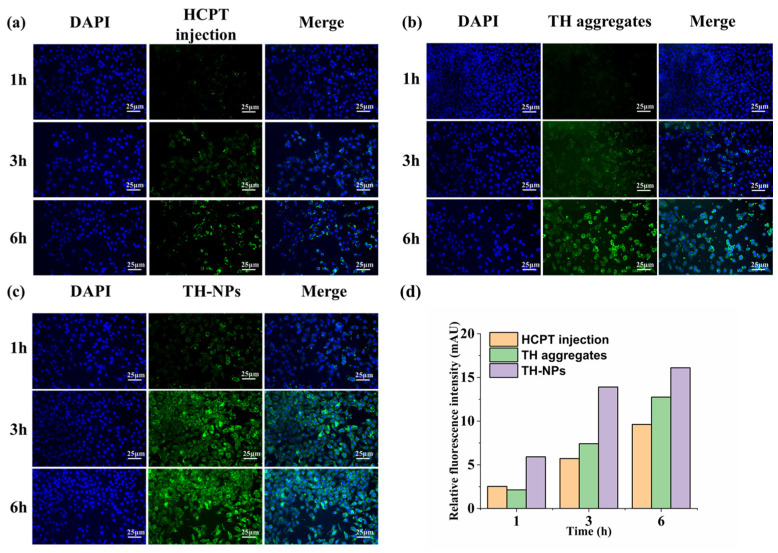
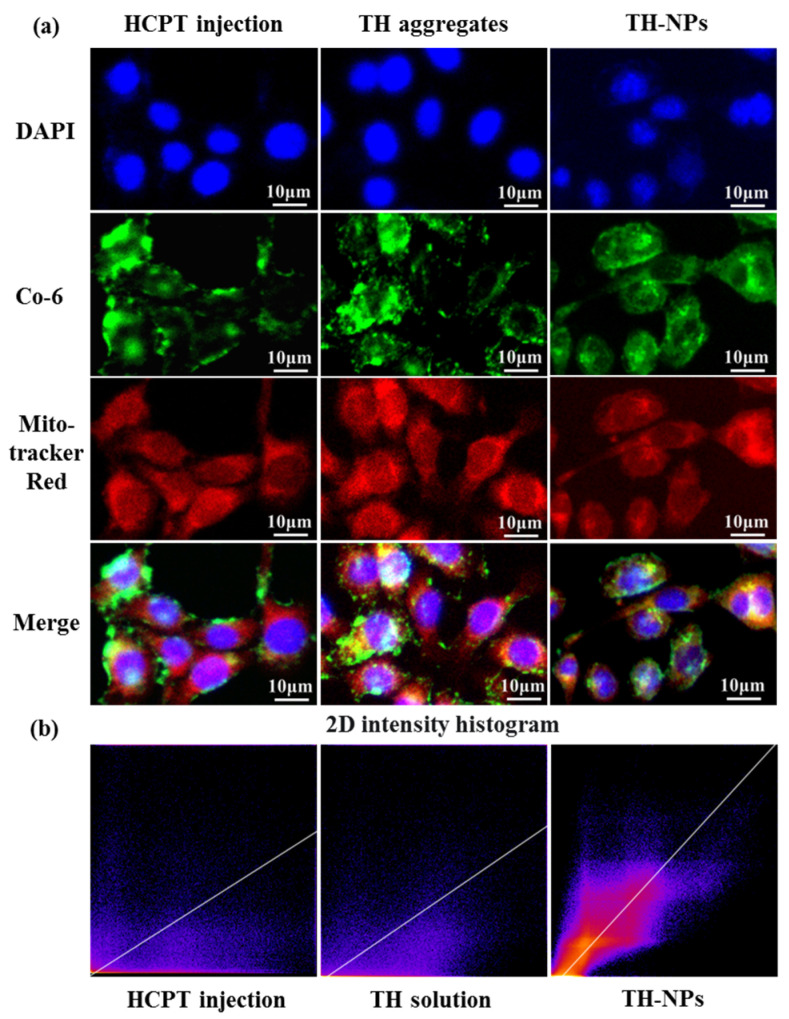
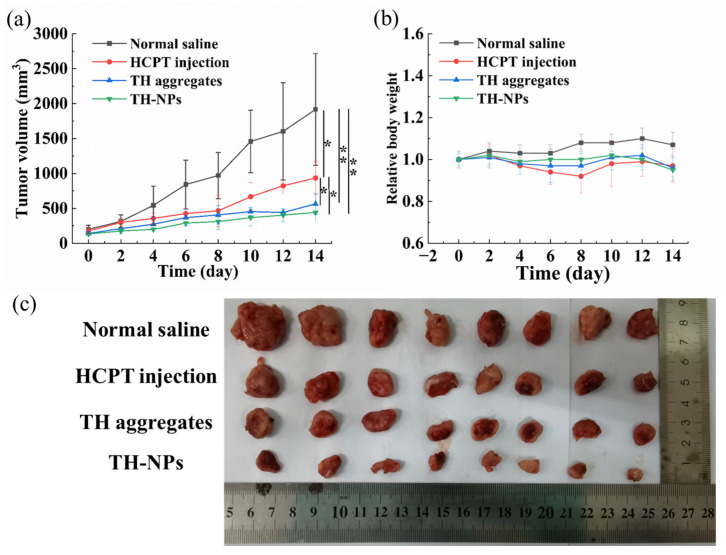
Mitochondria are involved in various stages of cancer cell diffusion and metastasis. Therefore, targeting tumor mitochondria with antineoplastic medicines to cause mitochondria to initiate apoptosis may be an effective strategy for cancer therapy. Here, in order to enhance the anti-tumor efficacy of the antineoplastic agent hydroxycamptothecin (HCPT), the mitochondrial targeting ligand 4-(carboxybutyl) triphenylphosphine bromide (TPP) was attached to HCPT by an ester linkage. The resultant TPP-HCPT (TH) conjugate could self-assemble into nano-aggregates, with a mean particle size of 203.2 nm and a polydispersity index (PDI) value of 0.312. The TH conjugate could also co-assembly with mPEG-PLGA into nanoparticles (TH-NPs), with a mean diameter of 86.41 nm, a PDI value of 0.256 and a zeta potential of -0.125 mV. In contrast to HCPT injections, TH aggregates displayed enhanced cellular uptake, mitochondria-targetability and cytotoxicity against 4T1 cells, while TH-NPs showed even better improvement than TH aggregates. In the in vivo study, TH aggregates displayed higher anti-tumor efficacy in 4T1 tumor-bearing mice than HCPT injections (tumor inhibition rate, 55.71% vs. 69.17%), and TH-NPs displayed more superior anti-tumor effects (tumor inhibition rate, 80.02%). In conclusion, our research demonstrated that the TPP-HCPT conjugate and its nano-formulations, including TH aggregates and TH-NPs, may be a promising mitochondria-targeting anticancer medicine for cancer therapy. As far as we know, this is the first report in which TPP and HCPT have been conjugated directly for this aim.
线粒体参与癌细胞扩散和转移的各个阶段。因此,用抗肿瘤药物靶向肿瘤线粒体以促使线粒体启动凋亡可能是一种有效的癌症治疗策略。在此,为了增强抗肿瘤药物羟基喜树碱(HCPT)的抗肿瘤疗效,通过酯键将线粒体靶向配体4-(羧基丁基)三苯基溴化膦(TPP)连接到HCPT上。所得的TPP-HCPT(TH)缀合物可自组装成纳米聚集体,平均粒径为203.2 nm,多分散指数(PDI)值为0.312。TH缀合物还可与mPEG-PLGA共组装成纳米颗粒(TH-NPs),平均直径为86.41 nm,PDI值为0.256,zeta电位为-0.125 mV。与注射HCPT相比,TH聚集体对4T1细胞的细胞摄取、线粒体靶向性和细胞毒性增强,而TH-NPs表现出比TH聚集体更好的改善。在体内研究中,TH聚集体在4T1荷瘤小鼠中显示出比注射HCPT更高的抗肿瘤疗效(肿瘤抑制率分别为55.71%和69.17%),而TH-NPs表现出更优异的抗肿瘤效果(肿瘤抑制率为80.02%)。总之,我们的研究表明,TPP-HCPT缀合物及其纳米制剂,包括TH聚集体和TH-NPs,可能是一种有前景的线粒体靶向抗癌药物用于癌症治疗。据我们所知,这是首次报道将TPP和HCPT直接缀合用于此目的。