
点火能量与火花塞间隙对甲烷稀薄燃烧的协同效应及初始火焰形成和循环变动的研究
The Synergy Effect of Ignition Energy and Spark Plug Gap on Methane Lean Combustion with Addressing Initial Flame Formation and Cyclic Variation.
作者信息
Zhang Xiao, Chen Lin
机构信息
School of Optical Information and Energy Engineering, Wuhan Institute of Technology, Wuhan 430205, China.
出版信息
ACS Omega. 2023 Feb 8;8(7):7036-7044. doi: 10.1021/acsomega.2c07897. eCollection 2023 Feb 21.
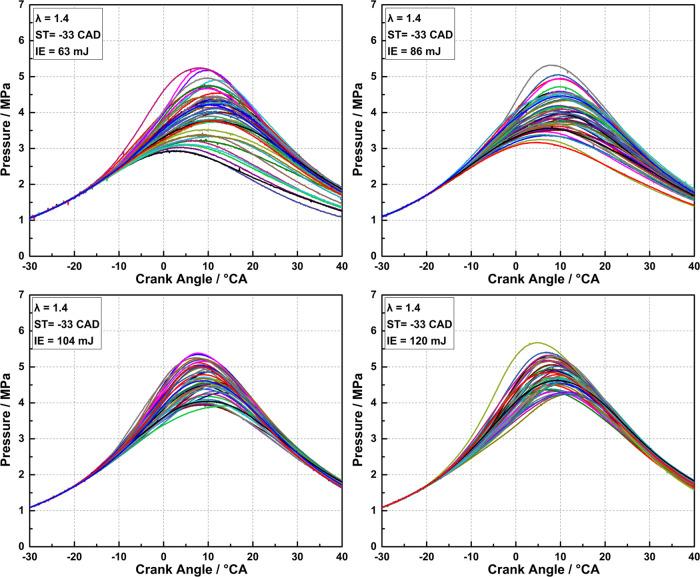
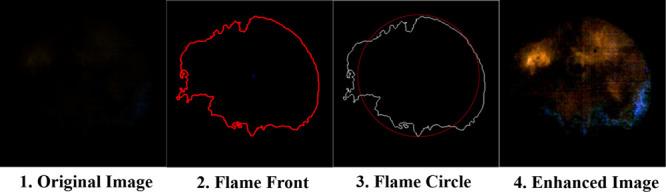
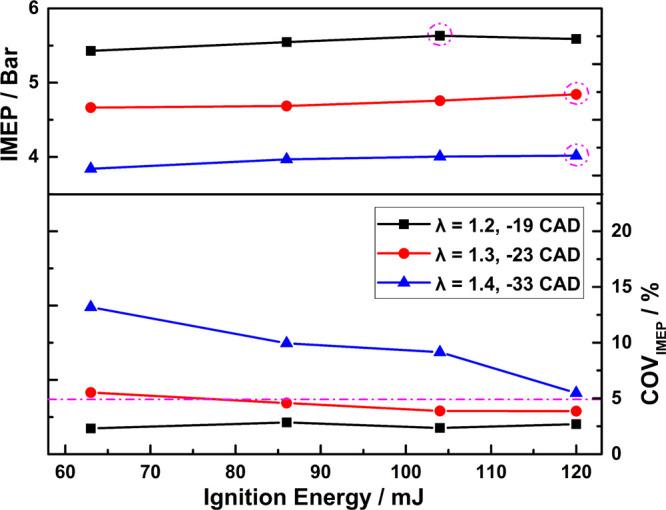
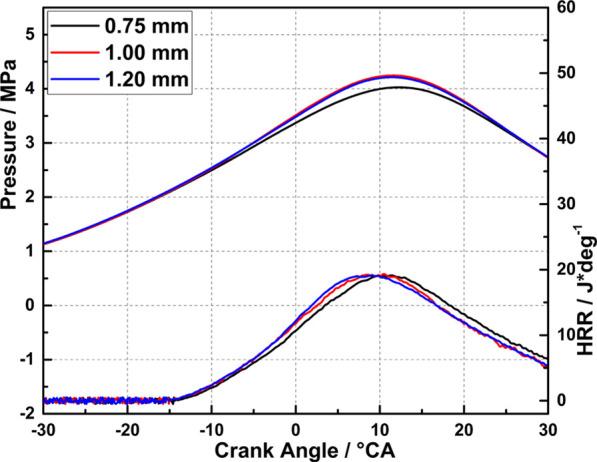
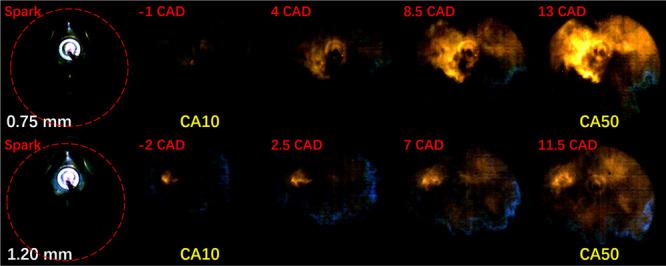
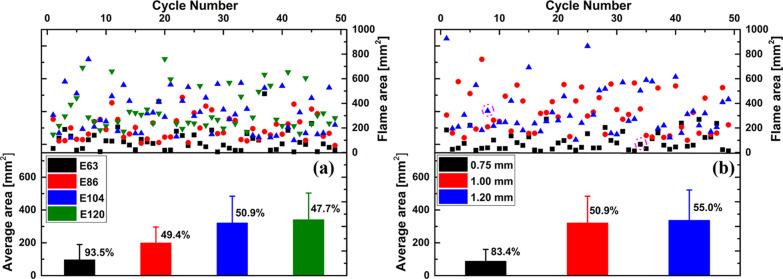
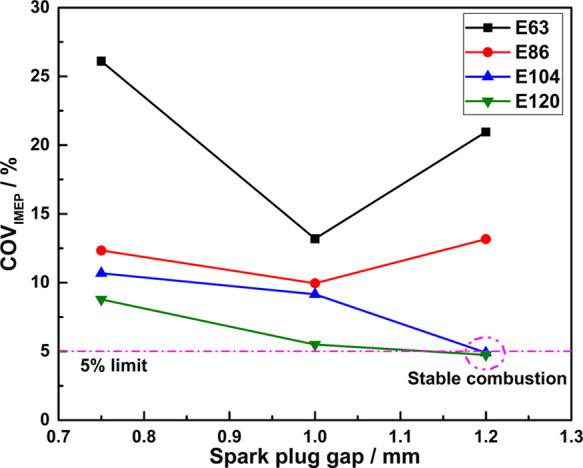
Controlling carbon emissions could be a win-win for both the environment and humans, and the use of low-carbon fuels is the key to being carbon-neutral in traffic transportation. Natural gas can achieve low carbon emissions and obtain high efficiency, but the poor lean combustion performance may result in large cycle-by-cycle variations. In this study, the synergy effect of high ignition energy and spark plug gap on methane lean combustion was optically studied under low-load and low-EGR conditions. High-speed direct photography combined with simultaneous pressure acquisition was used to analyze early flame characteristics and engine performance. The results show that high ignition energy can improve the methane engine's combustion stability, especially under high excess air coefficient conditions, and the main reason is that the initial flame formation is improved. However, the promoting effect may become marginal when the ignition energy increases above a critical value. As for the effect of spark plug gap, it varies with the ignition energy, and there exists an optimal spark plug gap for a given ignition energy. In another word, high ignition energy must combine with a large spark plug gap; thus, the promoting effect on combustion stability can be maximized and the lean limit can be extended. The statistical analysis of the flame area shows that the speed of initial flame formation is more important in determining combustion stability. As a result, a large spark plug gap (1.20 mm) can extend the lean limit to 1.4 under high ignition energy conditions. The current study shall give some insights into the spark strategies for natural gas engines.
控制碳排放对环境和人类而言可能是双赢之举,而使用低碳燃料是实现交通运输碳中和的关键。天然气能够实现低碳排放并获得高效能,但稀薄燃烧性能不佳可能导致逐循环的大幅波动。在本研究中,在低负荷和低废气再循环条件下,通过光学手段研究了高点火能量和火花塞间隙对甲烷稀薄燃烧的协同效应。采用高速直接摄影结合同步压力采集来分析早期火焰特性和发动机性能。结果表明,高点火能量可改善甲烷发动机的燃烧稳定性,尤其是在高过量空气系数条件下,主要原因是初始火焰形成得到改善。然而,当点火能量增加到临界值以上时,促进作用可能会减弱。至于火花塞间隙的影响,它随点火能量而变化,对于给定的点火能量存在一个最佳火花塞间隙。换句话说,高点火能量必须与大火花塞间隙相结合;这样,对燃烧稳定性的促进作用才能最大化,稀薄燃烧极限才能扩大。对火焰面积的统计分析表明,初始火焰形成速度在决定燃烧稳定性方面更为重要。因此,在高点火能量条件下,大火花塞间隙(1.20毫米)可将稀薄燃烧极限扩大到1.4。本研究将为天然气发动机的火花策略提供一些见解。




 Zotero 插件