Jin Wengang, Fan Xinru, Jiang Caiyan, Liu Yang, Zhu Kaiyue, Miao Xiaoqing, Jiang Pengfei
Key Laboratory of Bio-resources of Shaanxi Province, School of Biological Science and Engineering, Shaanxi University of Technology, Hanzhong 723001, China.
College of Food Science and Engineering, Dalian Ocean University, Dalian 116023, China.
Food Chem X. 2023 Jan 21;17:100584. doi: 10.1016/j.fochx.2023.100584. eCollection 2023 Mar 30.
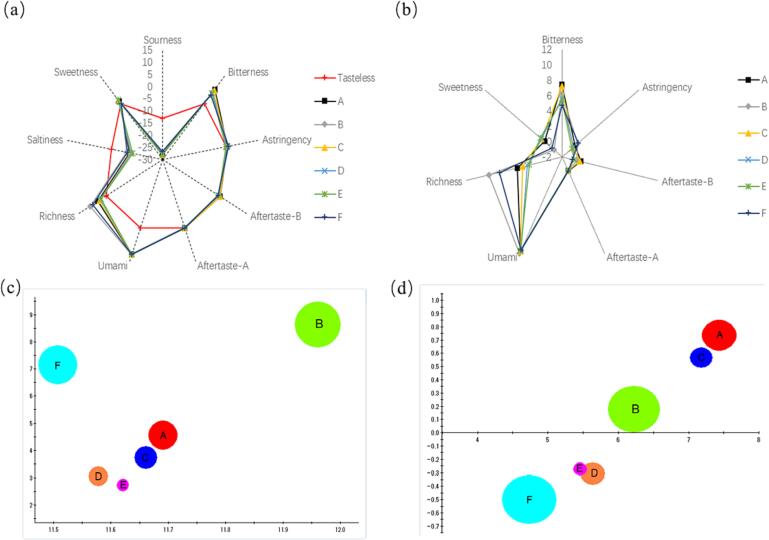
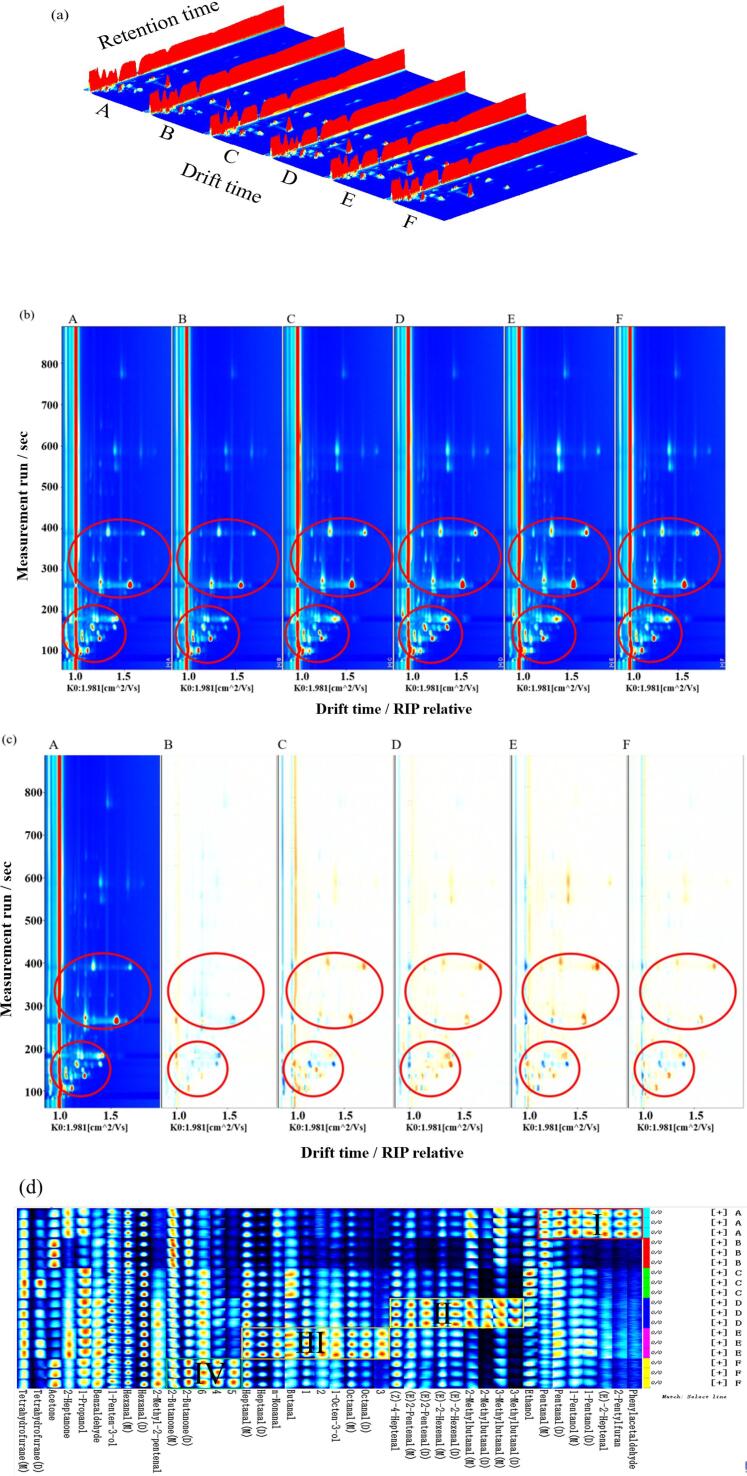
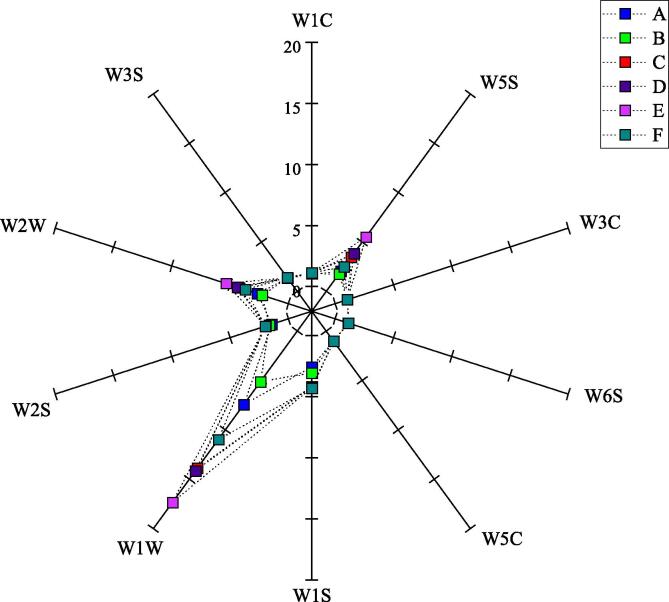
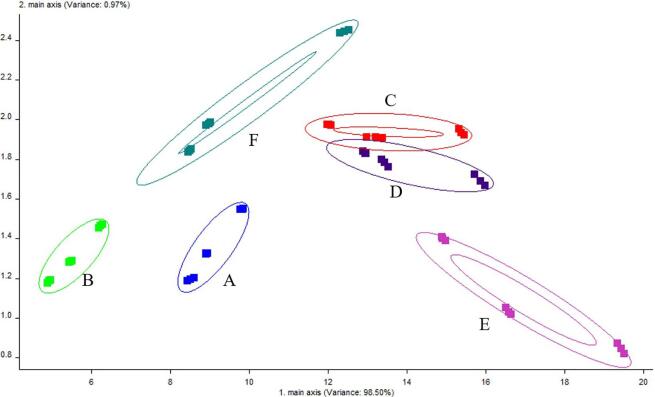
This study investigated the effects of different cooking methods on non-volatile flavor (free amino acids, 5'-nucleotides, and organic acids, etc.) of meat. The volatile flavor characteristics were also analyzed by electric nose and gas chromatography-ion migration spectrometry (GC-IMS). The results indicated that the content of flavor substances in meat varied significantly. The electronic tongue results indicated that the richness and umami aftertaste of roasting were significantly greater. The content of sweet free amino acids, 5'-nucleotides, and organic acids was also higher in roasting group. Electronic nose principal component analysis can distinguish meat cooked (the first two components accounted for 98.50% and 0.97%, respectively). A total of 36 volatile flavor compounds were identified among different groups, including 16 aldehydes, 7 olefine aldehydes, 6 alcohols, 4 ketones, and 3 furans. In general, roasting was recommended and gave more flavor substances in meat.
本研究调查了不同烹饪方法对肉类非挥发性风味(游离氨基酸、5'-核苷酸和有机酸等)的影响。还通过电子鼻和气相色谱-离子迁移谱(GC-IMS)分析了挥发性风味特征。结果表明,肉类中风味物质的含量差异显著。电子舌结果表明,烤制后的丰富度和鲜味回味明显更高。烤制组中甜味游离氨基酸、5'-核苷酸和有机酸的含量也更高。电子鼻主成分分析可以区分熟肉(前两个成分分别占98.50%和0.97%)。不同组中共鉴定出36种挥发性风味化合物,包括16种醛类、7种烯醛类、6种醇类、4种酮类和3种呋喃类。总体而言,推荐烤制,因为烤制能使肉类产生更多风味物质。