Department of Pathology and Laboratory Medicine, Perelman School of Medicine at the University of Pennsylvania, Philadelphia, PA, United States.
Department of Otolaryngology-Head and Neck surgery, Asahikawa Medical University, Asahikawa, Japan.
Front Immunol. 2022 Nov 24;13:1032113. doi: 10.3389/fimmu.2022.1032113. eCollection 2022.
Activation of T cell receptor (TCR) signaling is critical for clonal expansion of CD8+ T cells. However, the effects of augmenting TCR signaling during chronic antigen exposure is less understood. Here, we investigated the role of diacylglycerol (DAG)-mediated signaling downstream of the TCR during chronic lymphocytic choriomeningitis virus clone 13 (LCMV CL13) infection by blocking DAG kinase zeta (DGKζ), a negative regulator of DAG.
We examined the activation, survival, expansion, and phenotype of virus-specific T cell in the acute and chronic phases of LCMV CL13-infected in mice after DGKζ blockade or selective activation of ERK.
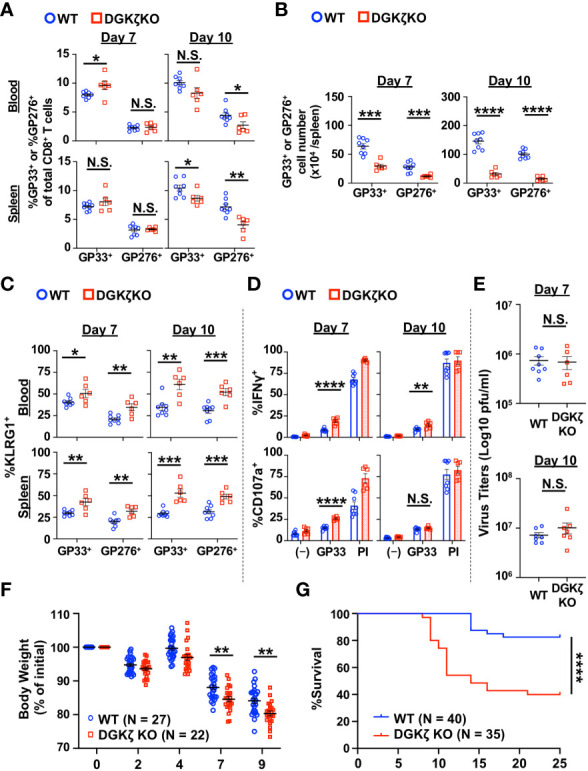
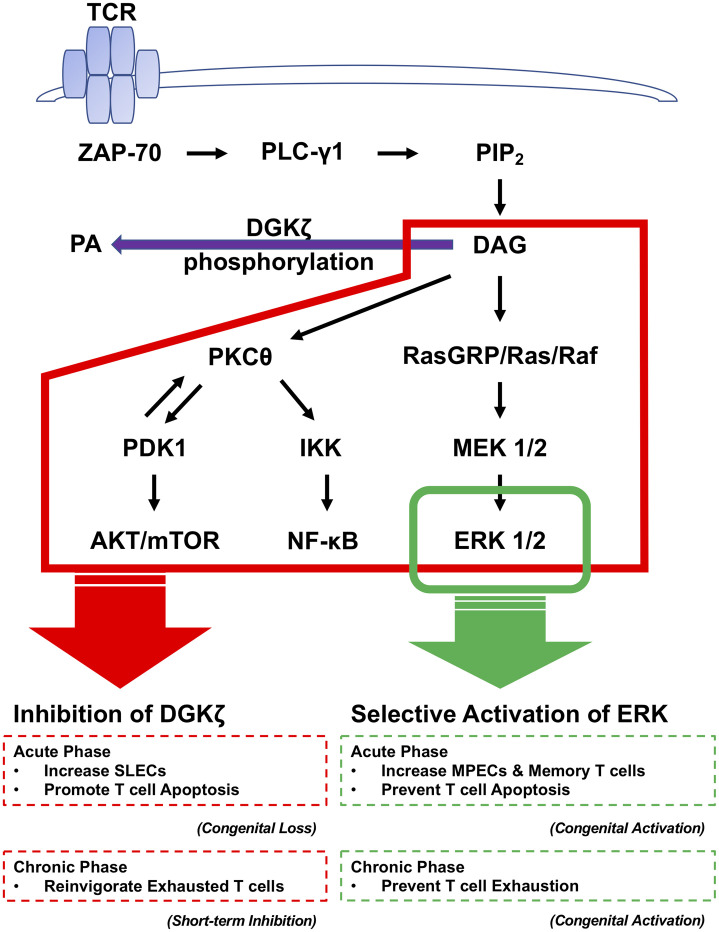
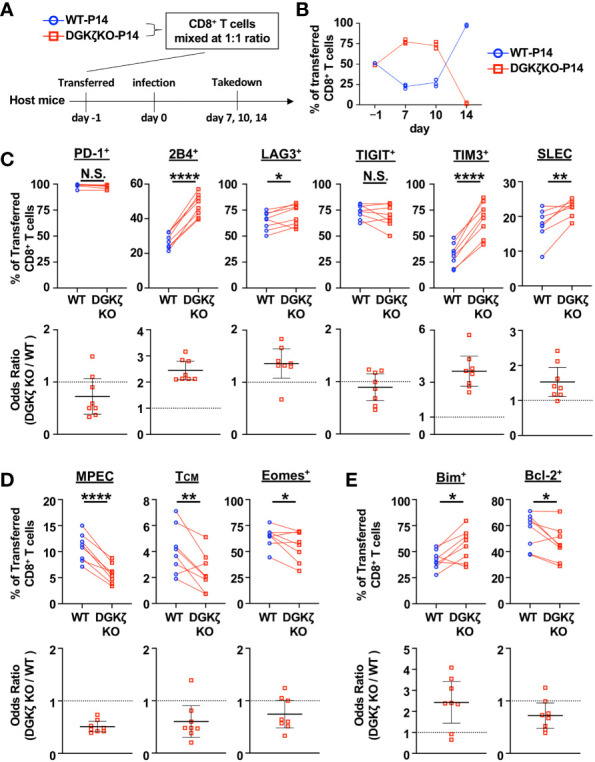
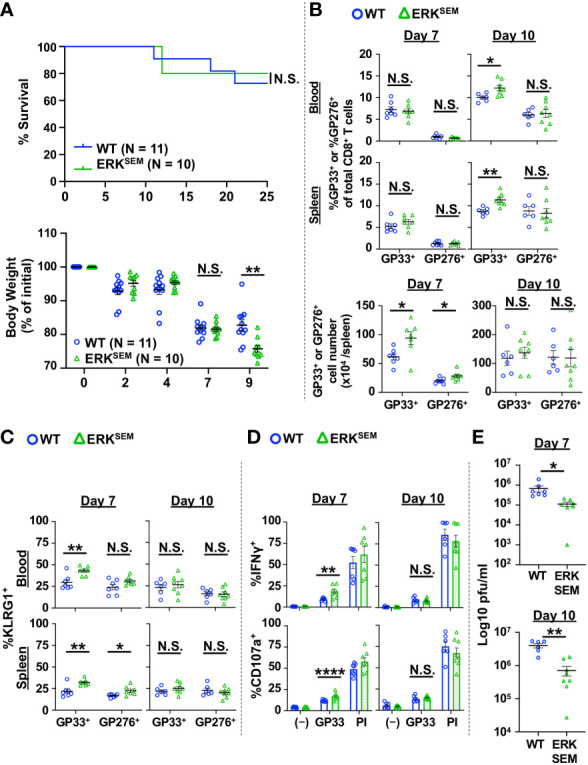
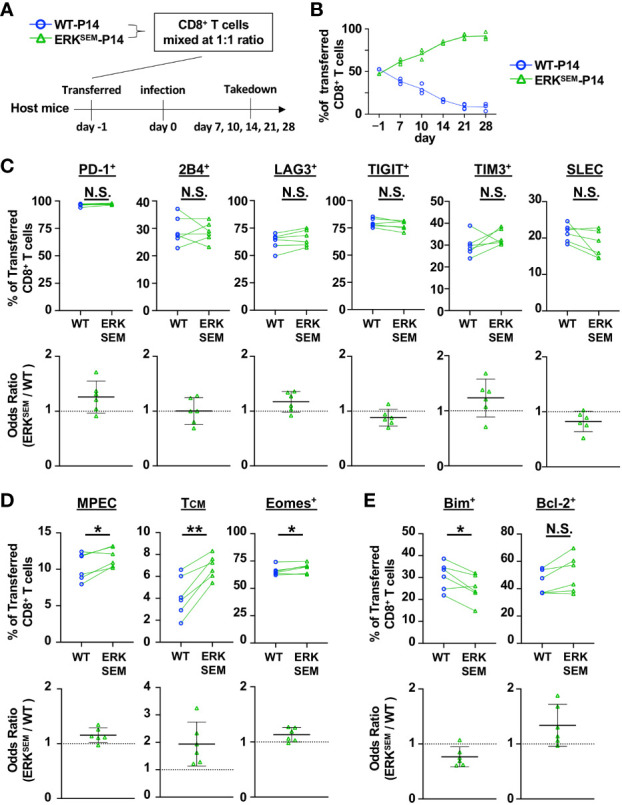
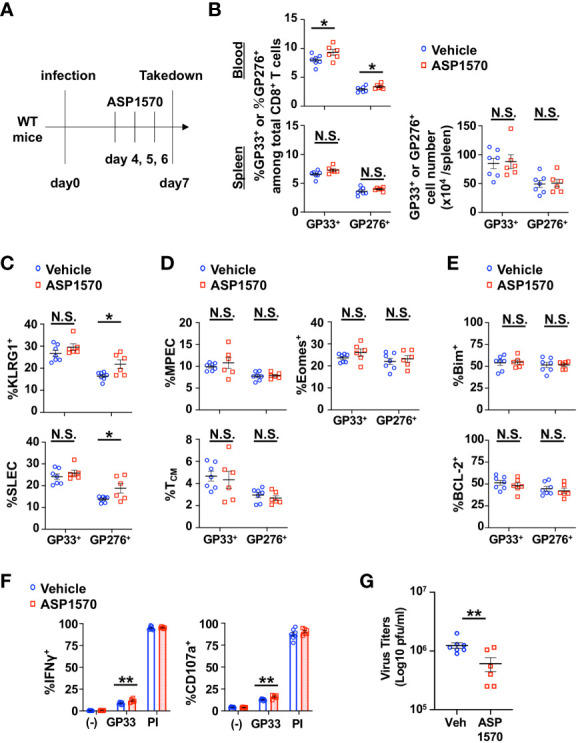
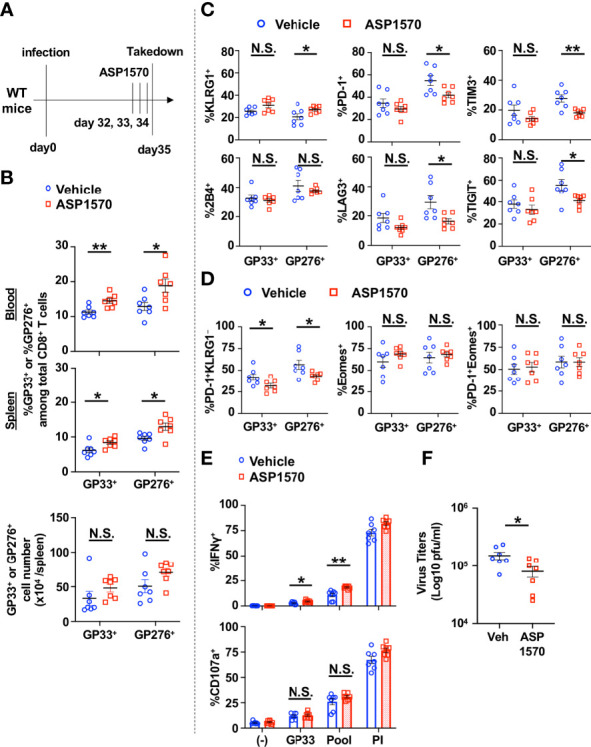
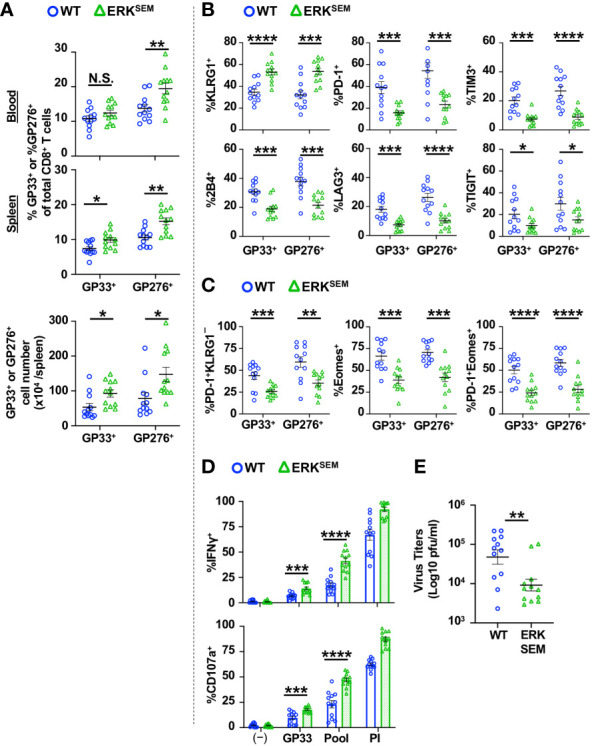
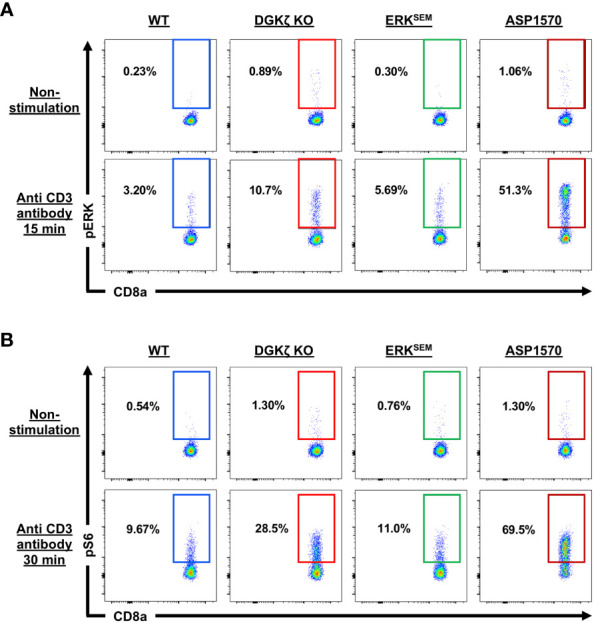
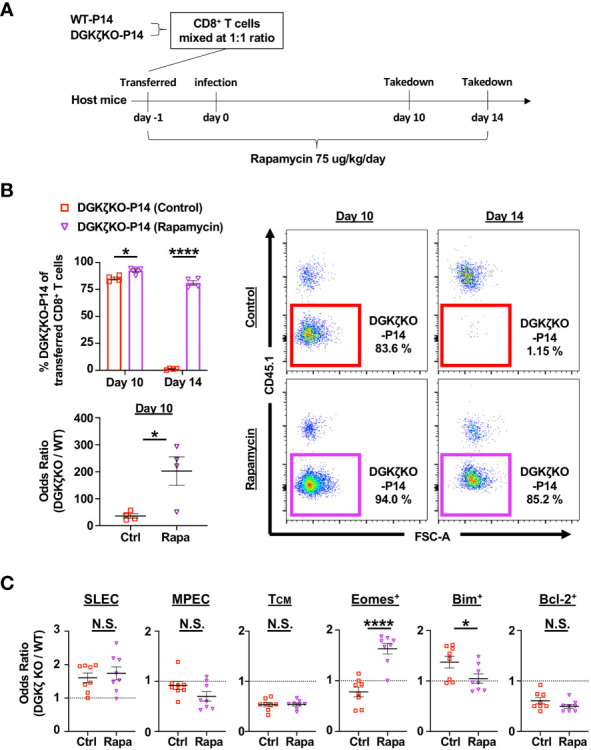
Upon LCMV CL13 infection, DGKζ deficiency promoted early short-lived effector cell (SLEC) differentiation of LCMV-specific CD8+ T cells, but this was followed by abrupt cell death. Short-term inhibition of DGKζ with ASP1570, a DGKζ-selective pharmacological inhibitor, augmented CD8+ T cell activation without causing cell death, which reduced virus titers both in the acute and chronic phases of LCMV CL13 infection. Unexpectedly, the selective enhancement of ERK, one key signaling pathway downstream of DAG, lowered viral titers and promoted expansion, survival, and a memory phenotype of LCMV-specific CD8+ T cells in the acute phase with fewer exhausted T cells in the chronic phase. The difference seen between DGKζ deficiency and selective ERK enhancement could be potentially explained by the activation of the AKT/mTOR pathway by DGKζ deficiency, since the mTOR inhibitor rapamycin rescued the abrupt cell death seen in virus-specific DGKζ KO CD8+ T cells.
Thus, while ERK is downstream of DAG signaling, the two pathways lead to distinct outcomes in the context of chronic CD8+ T cell activation, whereby DAG promotes SLEC differentiation and ERK promotes a memory phenotype.
T 细胞受体 (TCR) 信号的激活对于 CD8+T 细胞的克隆扩增至关重要。然而,在慢性抗原暴露期间增强 TCR 信号的影响还不太清楚。在这里,我们通过阻断 T 细胞受体下游的二酰基甘油 (DAG) 激酶 ζ (DGKζ),一种 DAG 的负调节剂,研究了在慢性淋巴细胞脉络丛脑膜炎病毒克隆 13 (LCMV CL13) 感染期间 DAG 介导的信号转导的作用。
我们在 LCMV CL13 感染的急性和慢性阶段,通过 DGKζ 阻断或 ERK 的选择性激活,检查了病毒特异性 T 细胞的激活、存活、扩增和表型。
在 LCMV CL13 感染后,DGKζ 缺乏促进了 LCMV 特异性 CD8+T 细胞的早期短暂效应细胞 (SLEC) 分化,但随后突然发生细胞死亡。用 DGKζ 选择性药理学抑制剂 ASP1570 短期抑制 DGKζ 增强了 CD8+T 细胞的激活而不会导致细胞死亡,从而降低了 LCMV CL13 感染的急性和慢性阶段的病毒滴度。出乎意料的是,选择性增强 DAG 下游的一个关键信号通路 ERK,降低了病毒滴度,并在急性阶段促进了 LCMV 特异性 CD8+T 细胞的扩增、存活和记忆表型,而在慢性阶段,耗尽的 T 细胞较少。DGKζ 缺乏和选择性 ERK 增强之间的差异可能可以通过 DGKζ 缺乏激活 AKT/mTOR 途径来解释,因为 mTOR 抑制剂雷帕霉素挽救了病毒特异性 DGKζ KO CD8+T 细胞中突然出现的细胞死亡。
因此,虽然 ERK 是 DAG 信号的下游,但在慢性 CD8+T 细胞激活的情况下,这两个途径导致了不同的结果,其中 DAG 促进 SLEC 分化,而 ERK 促进记忆表型。