University of Queensland Centre for Clinical Research (UQCCR), Faculty of Medicine, The University of Queensland, Brisbane, 4006, Australia.
Department of Clinical and Community Pharmacy, Center for Medicines Information and Pharmaceutical Care (CMIPC), Faculty of Pharmacy, University of Surabaya, Surabaya, East Java, 60293, Indonesia.
Clin Pharmacokinet. 2023 Apr;62(4):573-586. doi: 10.1007/s40262-023-01219-5. Epub 2023 Feb 28.
The pharmacokinetic variability of ampicillin-sulbactam in adults has not been extensively described, particularly in patients with a reduced renal function (i.e., < 60 mL/min).
This study investigated the population pharmacokinetics of ampicillin and sulbactam in patients with a wide range of renal functions and sought to define dosing approaches that have a high likelihood for optimising drug exposure.
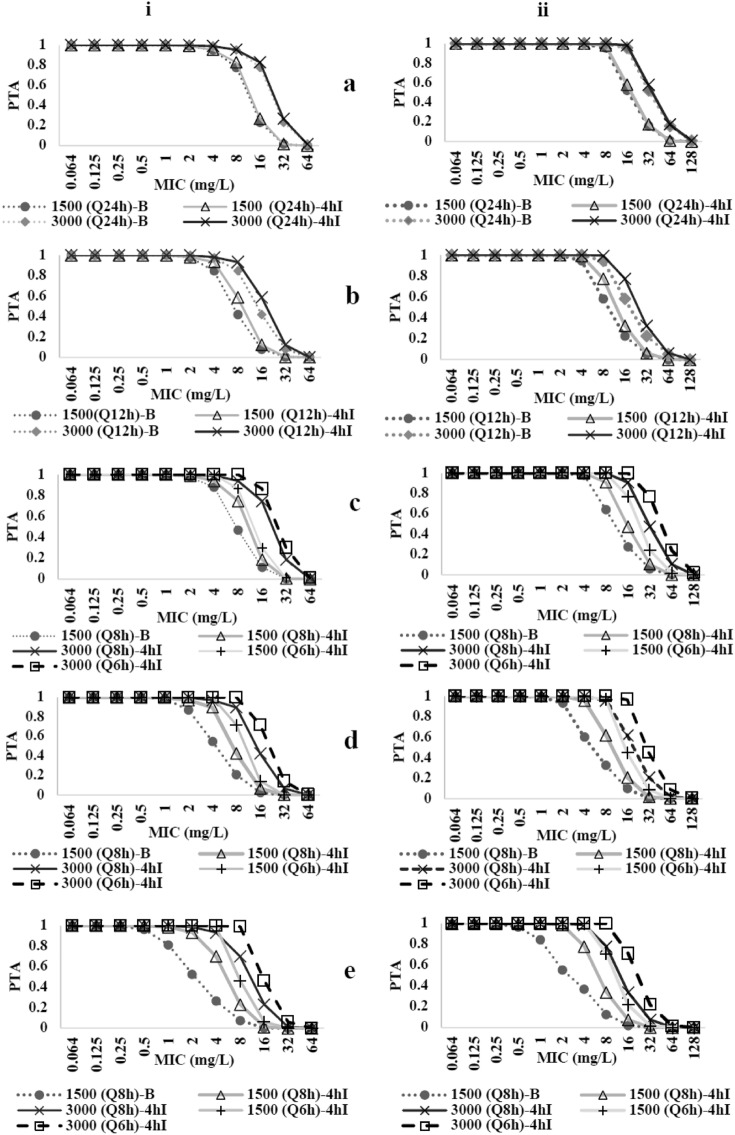
Serial blood samples were collected from 16 adult patients receiving intravenous ampicillin-sulbactam in general wards. Total ampicillin and sulbactam concentrations were measured by chromatographic assay and pharmacokinetic parameters were estimated using Pmetrics. Monte Carlo simulations were used to evaluate the probability of target attainment (PTA) of free ampicillin and sulbactam concentrations exceeding the minimum inhibitory concentration (MIC) for 60% and 100% of the dosing interval. Fractional target attainment (FTA) was calculated against MIC distributions of common hospital pathogens. A threshold of ≥ 90% and ≥ 95% was used to define both optimal PTA and FTA, respectively.
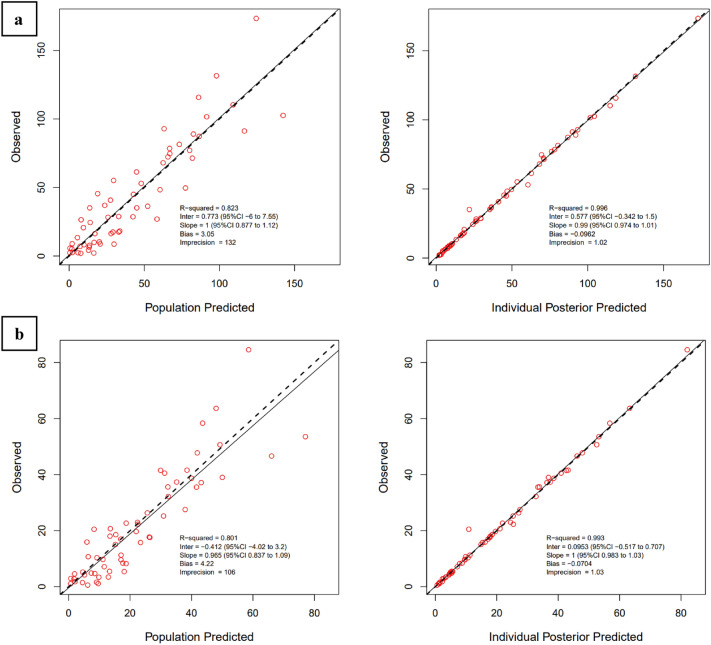
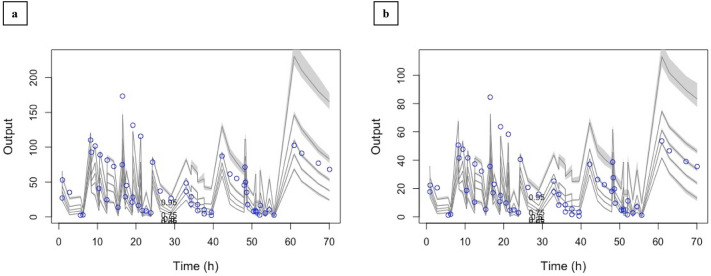
The median (range) age, weight, and serum creatinine of the study population was 68 (40-82) years, 62 (40-82) kg, and 1.4 (0.6-6.4) mg/dL, respectively. The pharmacokinetics of ampicillin and sulbactam were best described by a two-compartment model with serum creatinine most closely associated with clearance for both drugs. The estimated ampicillin and sulbactam clearances were 5.58 L/h and 4.79 L/h, respectively, while the volumes of distribution were 12.6 L and 15.36 L, respectively. Approved dosing regimens of ampicillin-sulbactam were sufficient against MICs ≤ 8 and ≤ 4 mg/L, respectively. A 4-h infusion enabled optimal PTA at higher MICs. For both dosing targets, optimal FTAs were obtained against Streptococcus pneumoniae.
Optimal FTAs were obtained against the susceptible MIC distributions of Escherichia coli, Klebsiella pneumoniae, and Acinetobacter baumannii. Applying a 4-h infusion will enhance PTA and FTA, particularly at higher MICs.
氨苄西林-舒巴坦在成人中的药代动力学变异性尚未得到广泛描述,尤其是在肾功能降低(即 < 60 mL/min)的患者中。
本研究旨在研究肾功能广泛的患者中氨苄西林和舒巴坦的群体药代动力学,并寻求确定具有高药物暴露优化可能性的给药方法。
在普通病房中,给 16 名接受静脉内氨苄西林-舒巴坦治疗的成年患者采集系列血样。通过色谱分析测定总氨苄西林和舒巴坦浓度,并使用 Pmetrics 估算药代动力学参数。蒙特卡罗模拟用于评估游离氨苄西林和舒巴坦浓度超过最低抑菌浓度(MIC)的目标概率(PTA),以达到 60%和 100%的给药间隔。根据常见医院病原体的 MIC 分布计算分数目标达标率(FTA)。分别使用≥90%和≥95%作为最佳 PTA 和 FTA 的定义阈值。
研究人群的中位(范围)年龄、体重和血清肌酐分别为 68(40-82)岁、62(40-82)kg 和 1.4(0.6-6.4)mg/dL。氨苄西林和舒巴坦的药代动力学最好用两个房室模型来描述,血清肌酐与两种药物的清除率最密切相关。估计的氨苄西林和舒巴坦清除率分别为 5.58 L/h 和 4.79 L/h,而分布容积分别为 12.6 L 和 15.36 L。批准的氨苄西林-舒巴坦剂量方案足以针对 MICs≤8 和≤4 mg/L 的情况。4 小时输注可在更高 MICs 下实现最佳 PTA。对于两种给药目标,最佳 FTA 是针对肺炎链球菌获得的。
针对大肠埃希菌、肺炎克雷伯菌和鲍曼不动杆菌的敏感 MIC 分布,获得了最佳 FTA。应用 4 小时输注将提高 PTA 和 FTA,尤其是在更高的 MICs 下。