Lobanovska Mariya, Pilla Giulia
Sir William Dunn School of Pathology, University of Oxford, United Kingdom.
Yale J Biol Med. 2017 Mar 29;90(1):135-145. eCollection 2017 Mar.
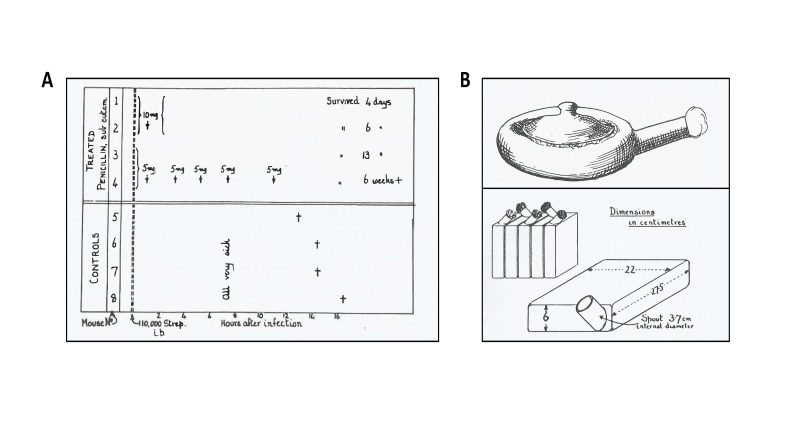
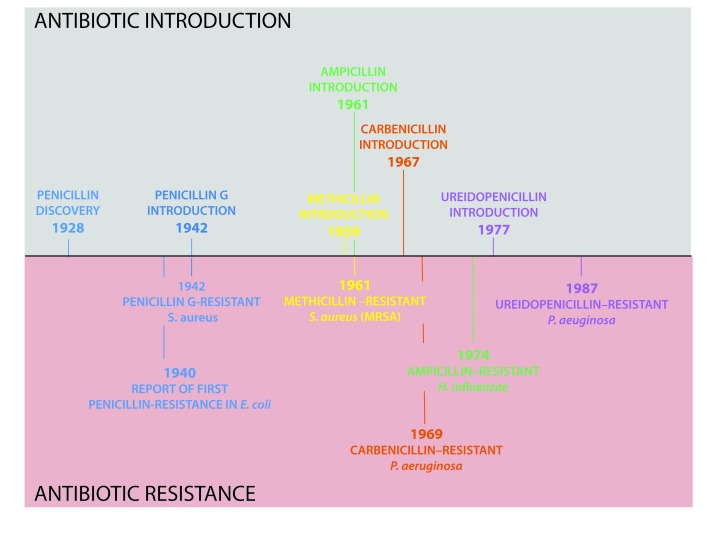
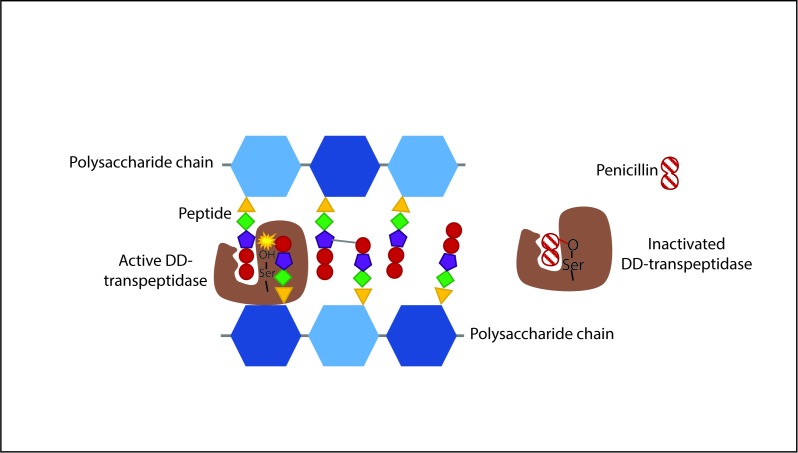
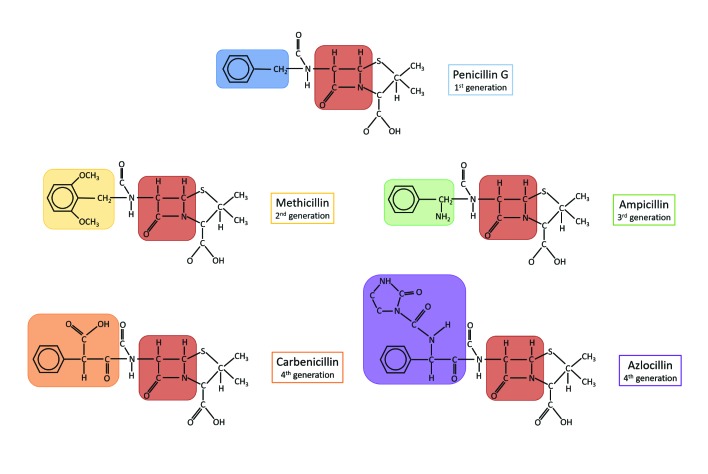
Undoubtedly, the discovery of penicillin is one of the greatest milestones in modern medicine. 2016 marks the 75th anniversary of the first systemic administration of penicillin in humans, and is therefore an occasion to reflect upon the extraordinary impact that penicillin has had on the lives of millions of people since. This perspective presents a historical account of the discovery of the wonder drug, describes the biological nature of penicillin, and considers lessons that can be learned from the golden era of antibiotic research, which took place between the 1940s and 1960s. Looking back at the history of penicillin might help us to relive this journey to find new treatments and antimicrobial agents. This is particularly relevant today as the emergence of multiple drug resistant bacteria poses a global threat, and joint efforts are needed to combat the rise and spread of resistance.
毫无疑问,青霉素的发现是现代医学最伟大的里程碑之一。2016年是青霉素首次在人体进行全身给药75周年,因此,这是一个反思青霉素自问世以来对数以百万计的人的生活产生的非凡影响的契机。本文从历史角度记述了这种神奇药物的发现过程,描述了青霉素的生物学特性,并探讨了从20世纪40年代至60年代抗生素研究的黄金时代中可以汲取的经验教训。回顾青霉素的历史或许有助于我们重温这段寻找新治疗方法和抗菌药物的历程。在多重耐药菌的出现构成全球威胁的当下,这一点尤为重要,我们需要共同努力应对耐药性的增加和传播。