Research and Development, Xenothera, Nantes, France.
Nantes Université, Inserm, University Hospital Center CHU Nantes, Center for Research in Transplantation and Translational Immunology, UMR 1064, ITUN, Nantes, France.
Front Immunol. 2023 Feb 16;14:1137629. doi: 10.3389/fimmu.2023.1137629. eCollection 2023.
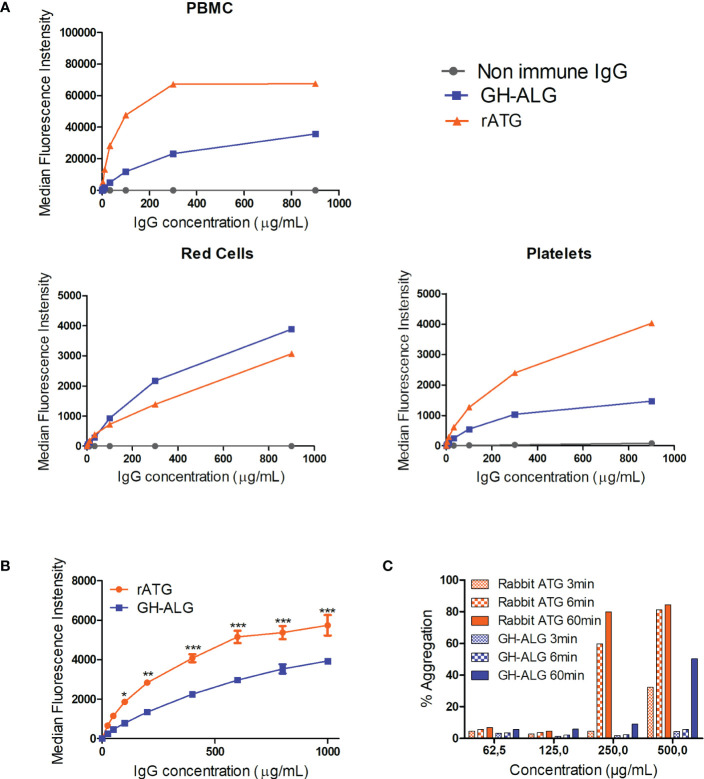
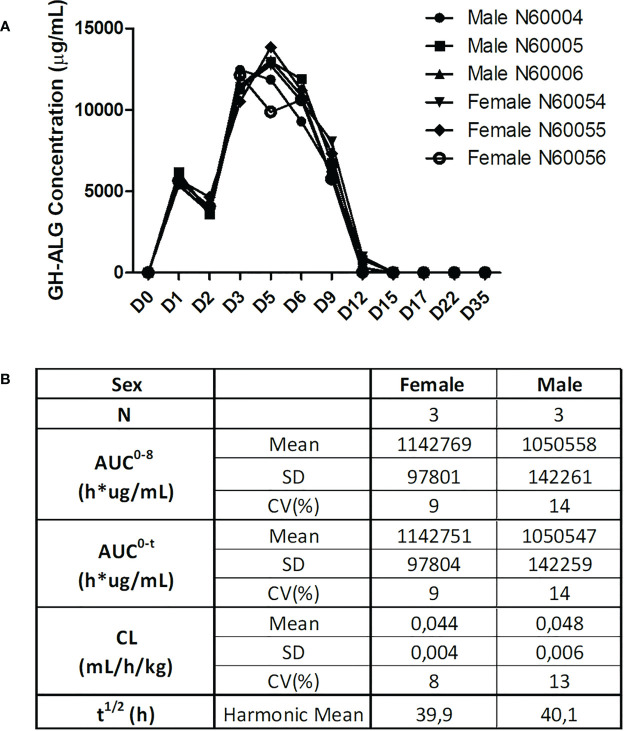
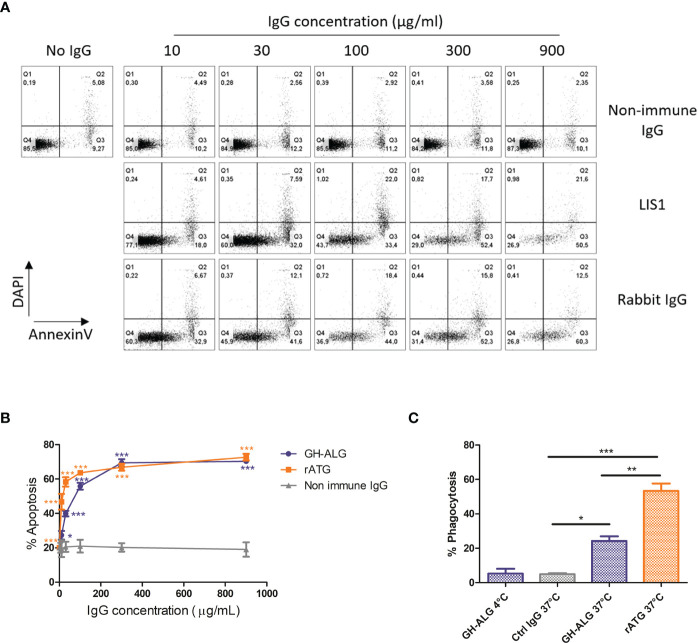
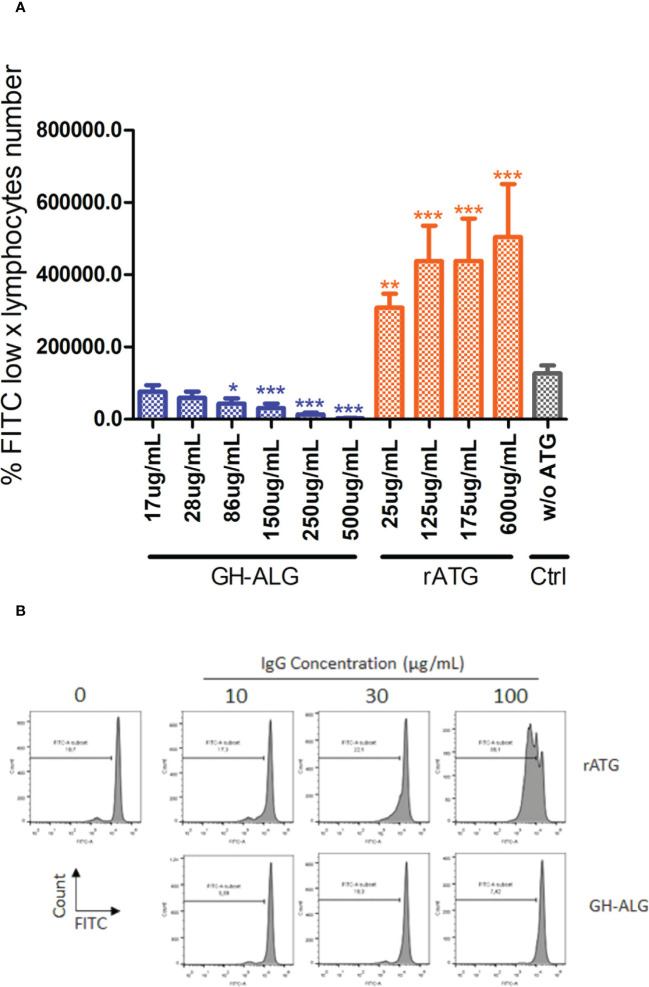
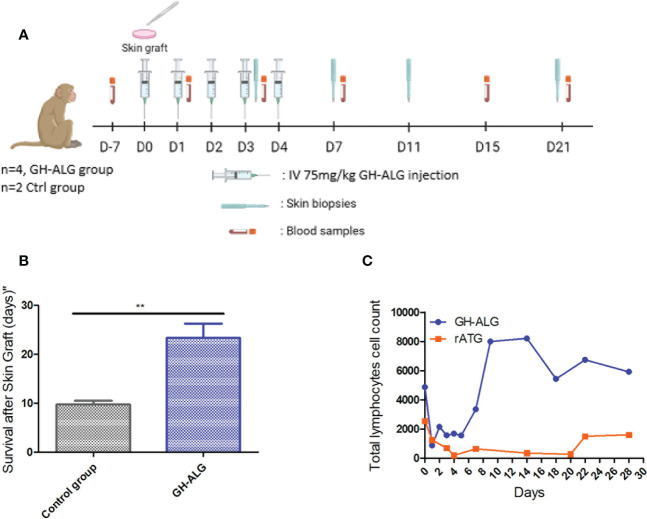
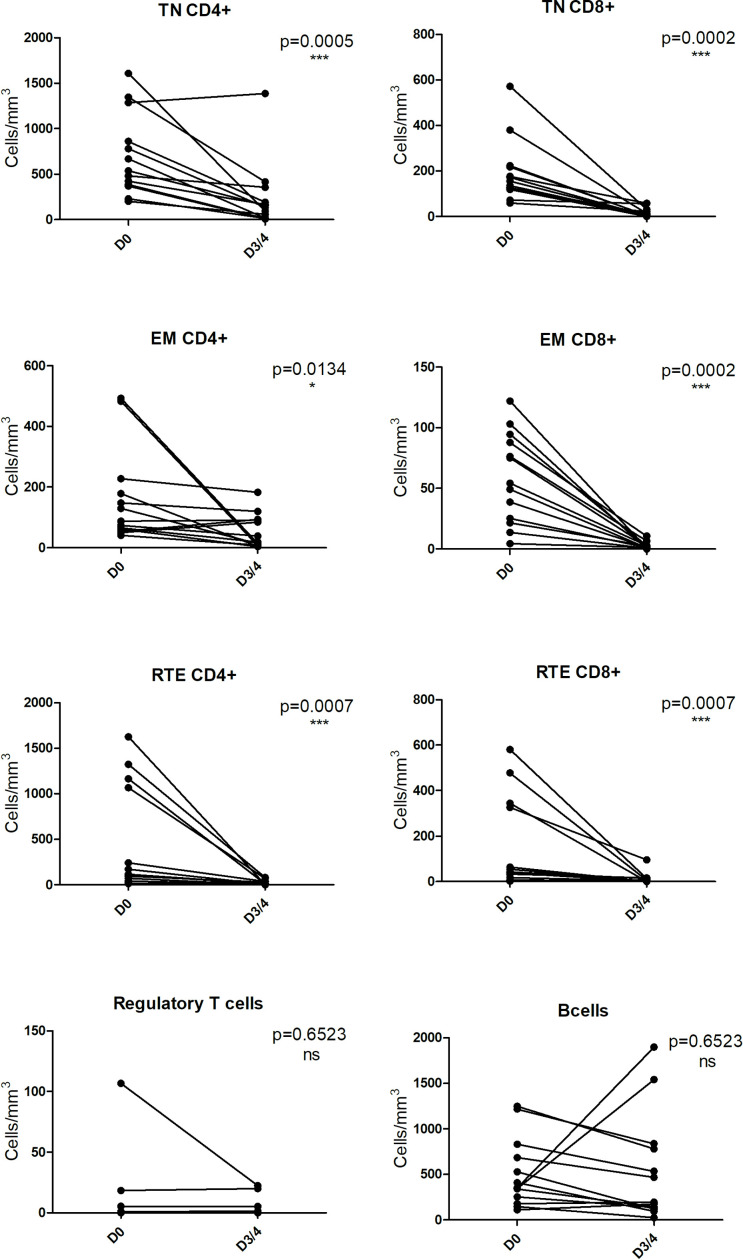
Anti-thymocyte or anti-lymphocyte globulins (ATGs/ALGs) are immunosuppressive drugs used in induction therapies to prevent acute rejection in solid organ transplantation. Because animal-derived, ATGs/ALGs contain highly immunogenic carbohydrate xenoantigens eliciting antibodies that are associated with subclinical inflammatory events, possibly impacting long-term graft survival. Their strong and long-lasting lymphodepleting activity also increases the risk for infections. We investigated here the and activity of LIS1, a glyco-humanized ALG (GH-ALG) produced in pigs knocked out for the two major xeno-antigens αGal and Neu5Gc. It differs from other ATGs/ALGs by its mechanism of action excluding antibody-dependent cell-mediated cytotoxicity and being restricted to complement-mediated cytotoxicity, phagocyte-mediated cytotoxicity, apoptosis and antigen masking, resulting in profound inhibition of T-cell alloreactivity in mixed leucocyte reactions. Preclinical evaluation in non-human primates showed that GH-ALG dramatically reduced CD4 (p=0.0005,), CD8 effector T cells (p=0.0002,) or myeloid cells (p=0.0007,***) but not T-reg (p=0.65, ns) or B cells (p=0.65, ns). Compared with rabbit ATG, GH-ALG induced transient depletion (less than one week) of target T cells in the peripheral blood (<100 lymphocytes/L) but was equivalent in preventing allograft rejection in a skin allograft model. The novel therapeutic modality of GH-ALG might present advantages in induction treatment during organ transplantation by shortening the T-cell depletion period while maintaining adequate immunosuppression and reducing immunogenicity.
抗胸腺细胞或抗淋巴细胞球蛋白(ATG/ALG)是用于诱导治疗以防止实体器官移植中急性排斥反应的免疫抑制药物。由于来源于动物,ATG/ALG 含有高度免疫原性的碳水化合物异种抗原,引发与亚临床炎症事件相关的抗体,可能会影响长期移植物存活。它们强烈且持久的淋巴细胞耗竭活性也会增加感染的风险。我们在这里研究了 LIS1 的作用,LIS1 是一种在敲除了两个主要异种抗原 αGal 和 Neu5Gc 的猪中产生的糖基化人源化 ALG(GH-ALG)。它与其他 ATG/ALG 不同,其作用机制排除了抗体依赖性细胞介导的细胞毒性,仅限于补体介导的细胞毒性、吞噬细胞介导的细胞毒性、细胞凋亡和抗原掩蔽,从而导致混合白细胞反应中 T 细胞同种异体反应受到深刻抑制。在非人类灵长类动物中的临床前评估表明,GH-ALG 可显著降低 CD4(p=0.0005,)、CD8 效应 T 细胞(p=0.0002,) 或髓样细胞(p=0.0007,***),但不影响 T 调节细胞(p=0.65,ns)或 B 细胞(p=0.65,ns)。与兔 ATG 相比,GH-ALG 在诱导外周血中靶 T 细胞短暂耗竭(不到一周,<100 个淋巴细胞/L)方面更有效,但在皮肤同种异体移植模型中预防同种异体移植物排斥方面与兔 ATG 等效。GH-ALG 的新型治疗方式在器官移植的诱导治疗中可能具有优势,因为它可以缩短 T 细胞耗竭期,同时保持足够的免疫抑制作用并降低免疫原性。