Beopoulos Athanasios, Géa Manuel, Fasano Alessio, Iris François
Bio-Modeling Systems, Tour CIT, Paris, France.
Division of Pediatric Gastroenterology and Nutrition, Mucosal Immunology and Biology Research Center, Center for Celiac Research and Treatment, Massachusetts General Hospital for Children, Boston, MA, United States.
Front Neurosci. 2023 Feb 16;17:1101422. doi: 10.3389/fnins.2023.1101422. eCollection 2023.
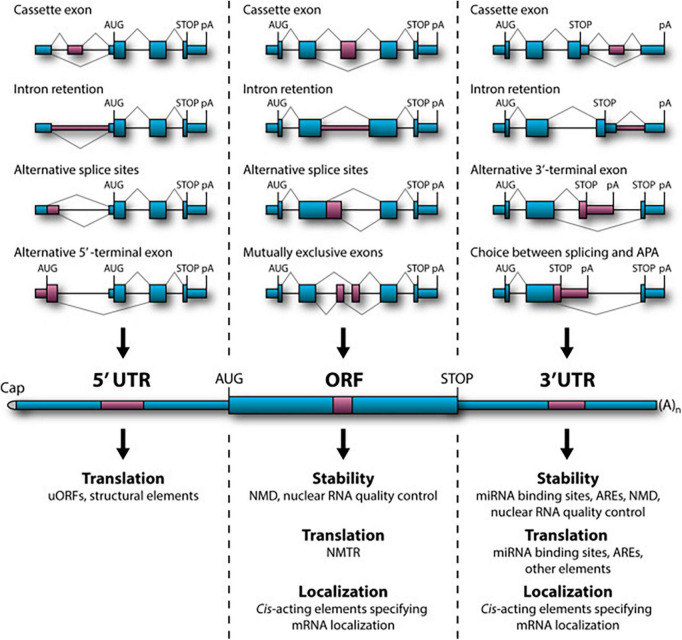
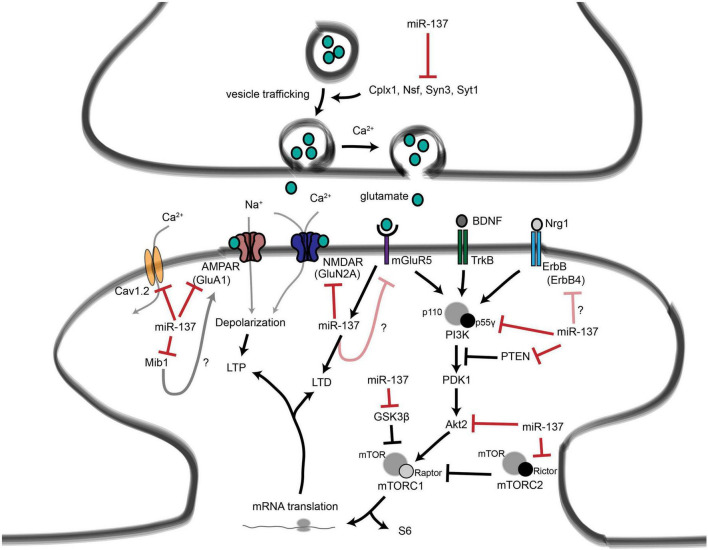
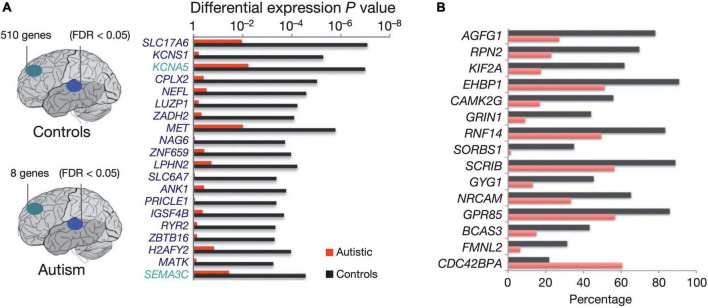
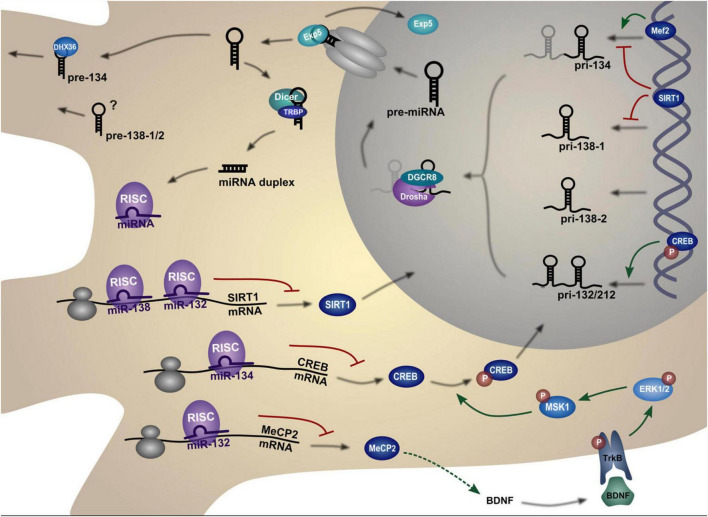
Autism spectrum disorders (ASDs) are perhaps the most severe, intractable and challenging child psychiatric disorders. They are complex, pervasive and highly heterogeneous and depend on multifactorial neurodevelopmental conditions. Although the pathogenesis of autism remains unclear, it revolves around altered neurodevelopmental patterns and their implications for brain function, although these cannot be specifically linked to symptoms. While these affect neuronal migration and connectivity, little is known about the processes that lead to the disruption of specific laminar excitatory and inhibitory cortical circuits, a key feature of ASD. It is evident that ASD has multiple underlying causes and this multigenic condition has been considered to also dependent on epigenetic effects, although the exact nature of the factors that could be involved remains unclear. However, besides the possibility for differential epigenetic markings directly affecting the relative expression levels of individual genes or groups of genes, there are at least three mRNA epitranscriptomic mechanisms, which function cooperatively and could, in association with both genotypes and environmental conditions, alter spatiotemporal proteins expression patterns during brain development, at both quantitative and qualitative levels, in a tissue-specific, and context-dependent manner. As we have already postulated, sudden changes in environmental conditions, such as those conferred by maternal inflammation/immune activation, influence RNA epitranscriptomic mechanisms, with the combination of these processes altering fetal brain development. Herein, we explore the postulate whereby, in ASD pathogenesis, RNA epitranscriptomics might take precedence over epigenetic modifications. RNA epitranscriptomics affects real-time differential expression of receptor and channel proteins isoforms, playing a prominent role in central nervous system (CNS) development and functions, but also RNAi which, in turn, impact the spatiotemporal expression of receptors, channels and regulatory proteins irrespective of isoforms. Slight dysregulations in few early components of brain development, could, depending upon their extent, snowball into a huge variety of pathological cerebral alterations a few years after birth. This may very well explain the enormous genetic, neuropathological and symptomatic heterogeneities that are systematically associated with ASD and psychiatric disorders at large.
自闭症谱系障碍(ASD)可能是最严重、最难治疗且最具挑战性的儿童精神疾病。它们复杂、普遍且高度异质,取决于多因素神经发育状况。尽管自闭症的发病机制尚不清楚,但它围绕着改变的神经发育模式及其对脑功能的影响,尽管这些与症状并无具体关联。虽然这些影响神经元迁移和连接,但对于导致特定层状兴奋性和抑制性皮质回路破坏的过程知之甚少,而这是ASD的一个关键特征。显然,ASD有多种潜在病因,这种多基因状况也被认为依赖于表观遗传效应,尽管可能涉及的因素的确切性质仍不清楚。然而,除了差异表观遗传标记直接影响单个基因或基因群相对表达水平的可能性外,至少有三种mRNA表观转录组机制,它们协同作用,并且可能与基因型和环境条件相关联,在脑发育过程中以组织特异性和上下文依赖性的方式,在定量和定性水平上改变时空蛋白质表达模式。正如我们已经假设的那样,环境条件的突然变化,如母体炎症/免疫激活所带来的变化,会影响RNA表观转录组机制,这些过程的结合会改变胎儿脑发育。在此,我们探讨这样一种假设,即在ASD发病机制中,RNA表观转录组学可能优先于表观遗传修饰。RNA表观转录组学影响受体和通道蛋白异构体的实时差异表达,在中枢神经系统(CNS)发育和功能中发挥重要作用,而且RNA干扰也会影响受体、通道和调节蛋白的时空表达,无论其异构体如何。脑发育早期的一些轻微失调,根据其程度,可能在出生后几年演变成各种各样的病理性脑改变。这很可能解释了与ASD以及一般精神疾病系统性相关的巨大遗传、神经病理学和症状异质性。