Department of Neurology, Memorial Sloan Kettering Cancer Center, New York, NY.
Brain Tumor Center, Memorial Sloan Kettering Cancer Center, New York, NY.
Blood. 2023 May 18;141(20):2443-2451. doi: 10.1182/blood.2022017604.
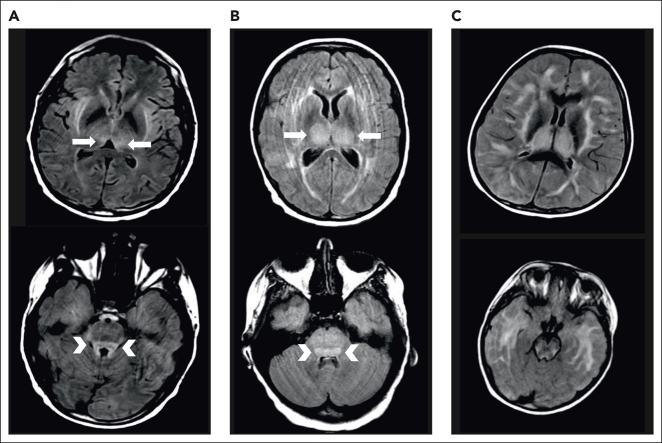
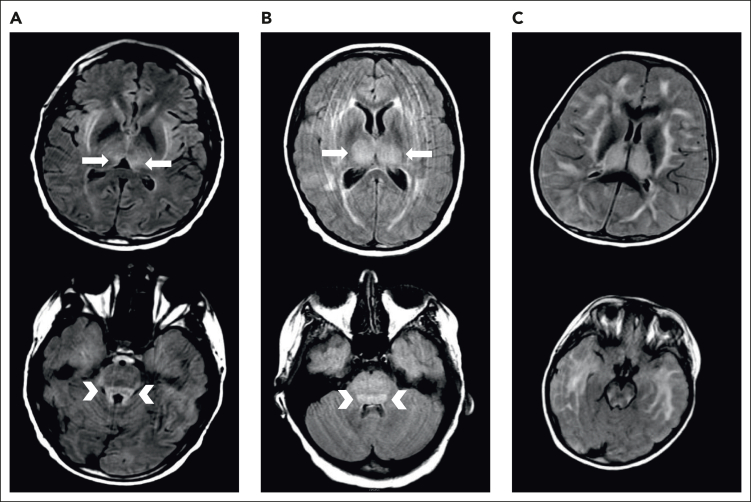
With growing indications for chimeric antigen receptor (CAR) T-cell therapy, toxicity profiles are evolving. There is an urgent and unmet need of approaches to optimally manage emerging adverse events that extend beyond the standard paradigm of cytokine release syndrome and immune effector cell-associated neurotoxicity syndrome (ICANS). Although management guidelines exist for ICANS, there is little guidance on how to approach patients with neurologic comorbidities, and how to manage rare neurotoxicity presentations, such as CAR T-cell therapy-related cerebral edema, severe motor complications or late-onset neurotoxicity. In this study, we present 3 scenarios of patients treated with CAR T cells who develop unique types of neurotoxicity, and we describe an approach for the evaluation and management based on experience because objective data are limited. The goal of this study is to develop an awareness of emerging and unusual complications, discuss treatment approaches, and help institutions and health care providers establish frameworks to navigate how to best address unusual neurotoxicities to ultimately improve patient outcomes.
随着嵌合抗原受体 (CAR) T 细胞疗法的应用指征不断增加,其毒性谱也在不断演变。目前迫切需要寻求方法来最佳管理新出现的不良事件,这些不良事件超出了细胞因子释放综合征和免疫效应细胞相关神经毒性综合征 (ICANS) 的标准范式。虽然已经有针对 ICANS 的管理指南,但对于如何处理伴有神经合并症的患者以及如何管理罕见的神经毒性表现(如 CAR T 细胞治疗相关脑水肿、严重运动并发症或迟发性神经毒性),则几乎没有指导。在这项研究中,我们介绍了 3 例接受 CAR T 细胞治疗后出现独特类型神经毒性的患者情况,并根据经验描述了评估和管理方法,因为客观数据有限。本研究的目的是提高对新出现和不常见并发症的认识,讨论治疗方法,并帮助机构和医疗保健提供者建立框架,以探讨如何最好地处理不常见的神经毒性,最终改善患者结局。