Foster Emma G, Palermo Nicholas Y, Liu Yutong, Edagwa Benson, Gendelman Howard E, Bade Aditya N
Department of Pharmacology and Experimental Neuroscience, University of Nebraska Medical Center, Omaha, NE, United States.
Computational Chemistry Core, University of Nebraska Medical Center, Omaha, NE, United States.
Front Toxicol. 2023 Feb 21;5:1113032. doi: 10.3389/ftox.2023.1113032. eCollection 2023.
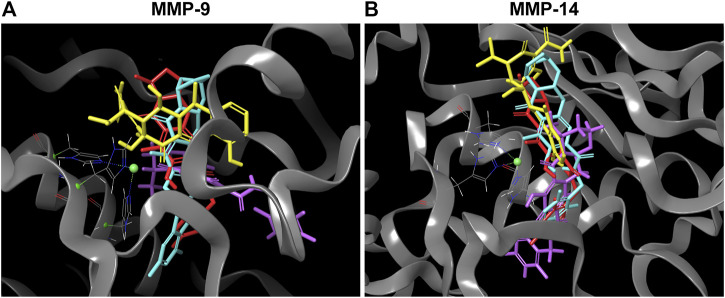
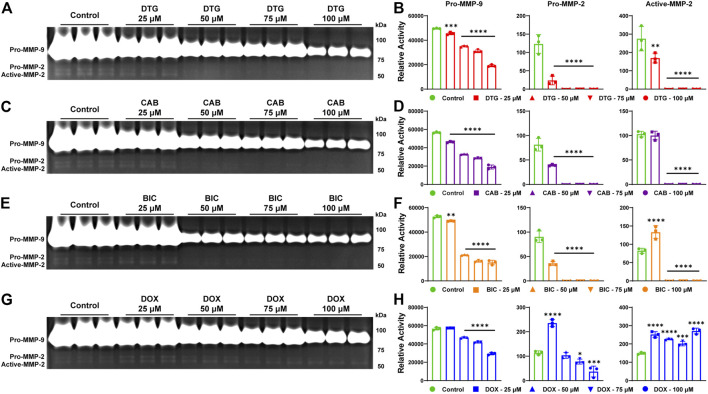
More than fifteen million women with the human immunodeficiency virus type-1 (HIV-1) infection are of childbearing age world-wide. Due to improved and affordable access to antiretroviral therapy (ART), the number of antiretroviral drug (ARV)-exposed children has exceeded a million and continues to grow. While most recommended ART taken during pregnancy suppresses mother to child viral transmission, the knowledge of drug safety linked to fetal neurodevelopment remains an area of active investigation. For example, few studies have suggested that ARV use can be associated with neural tube defects (NTDs) and most notably with the integrase strand transfer inhibitor (INSTI) dolutegravir (DTG). After risk benefit assessments, the World Health Organization (WHO) made recommendations for DTG usage as a first and second-line preferred treatment for infected populations including pregnant women and those of childbearing age. Nonetheless, long-term safety concerns remain for fetal health. This has led to a number of recent studies underscoring the need for biomarkers to elucidate potential mechanisms underlying long-term neurodevelopmental adverse events. With this goal in mind, we now report the inhibition of matrix metalloproteinases (MMPs) activities by INSTIs as an ARV class effect. Balanced MMPs activities play a crucial role in fetal neurodevelopment. Inhibition of MMPs activities by INSTIs during neurodevelopment could be a potential mechanism for adverse events. Thus, comprehensive molecular docking testing of the INSTIs, DTG, bictegravir (BIC), and cabotegravir (CAB), against twenty-three human MMPs showed broad-spectrum inhibition. With a metal chelating chemical property, each of the INSTI were shown to bind Zn++ at the MMP's catalytic domain leading to MMP inhibition but to variable binding energies. These results were validated in myeloid cell culture experiments demonstrating MMP-2 and 9 inhibitions by DTG, BIC and CAB and even at higher degree than doxycycline (DOX). Altogether, these data provide a potential mechanism for how INSTIs could affect fetal neurodevelopment.
全球有超过1500万感染1型人类免疫缺陷病毒(HIV-1)的女性处于育龄期。由于抗逆转录病毒疗法(ART)的可及性提高且价格可承受,暴露于抗逆转录病毒药物(ARV)的儿童数量已超过100万且仍在持续增长。虽然孕期服用的大多数推荐ART可抑制母婴病毒传播,但与胎儿神经发育相关的药物安全性知识仍是一个活跃的研究领域。例如,很少有研究表明使用ARV可能与神经管缺陷(NTDs)有关,最显著的是与整合酶链转移抑制剂(INSTI)度鲁特韦(DTG)有关。在进行风险效益评估后,世界卫生组织(WHO)对DTG的使用提出了建议,将其作为包括孕妇和育龄妇女在内的感染人群的一线和二线首选治疗药物。尽管如此,胎儿健康的长期安全问题仍然存在。这导致最近有多项研究强调需要生物标志物来阐明长期神经发育不良事件背后的潜在机制。出于这一目标,我们现在报告INSTIs对基质金属蛋白酶(MMPs)活性的抑制作用是一种ARV类效应。平衡的MMPs活性在胎儿神经发育中起关键作用。在神经发育过程中,INSTIs对MMPs活性的抑制可能是不良事件的潜在机制。因此,对INSTIs(DTG、比克替拉韦(BIC)和卡博特韦(CAB))针对23种人类MMPs进行的全面分子对接测试显示出广谱抑制作用。由于具有金属螯合化学性质,每种INSTI都显示在MMP的催化结构域与Zn++结合,导致MMP抑制,但结合能各不相同。这些结果在髓样细胞培养实验中得到验证,证明DTG、BIC和CAB对MMP-2和9有抑制作用,甚至比多西环素(DOX)的抑制程度更高。总之,这些数据为INSTIs如何影响胎儿神经发育提供了一种潜在机制。