Joshi Sachindra R, Atabay Elif Karaca, Liu Jun, Ding Yan, Briscoe Steven D, Alexander Mark J, Andre Patrick, Kumar Ravindra, Li Gang
Discovery Group, Acceleron Pharma Inc., a subsidiary of Merck & Co., Inc., Rahway, NJ, United States.
Front Cardiovasc Med. 2023 Feb 23;10:1064290. doi: 10.3389/fcvm.2023.1064290. eCollection 2023.
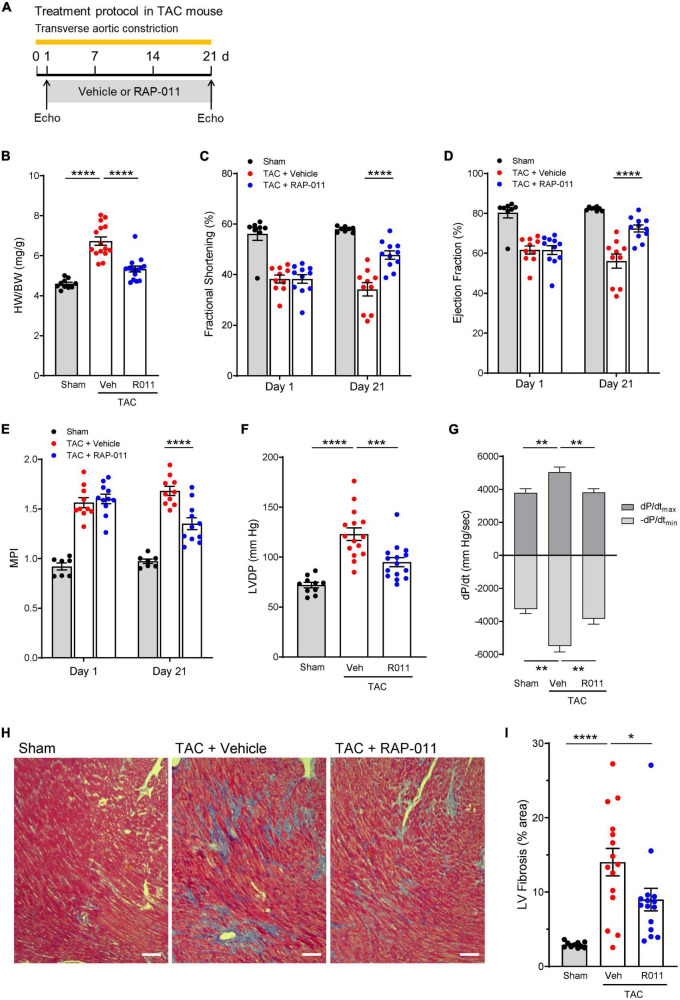
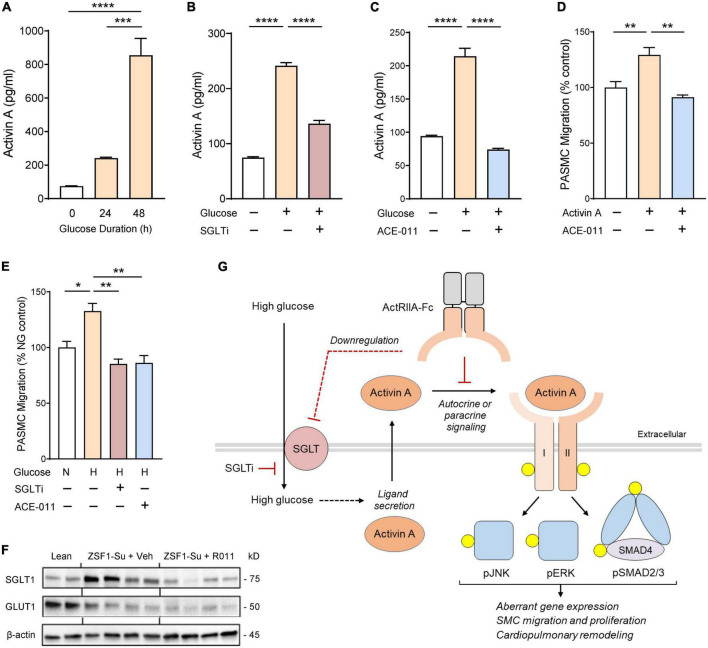
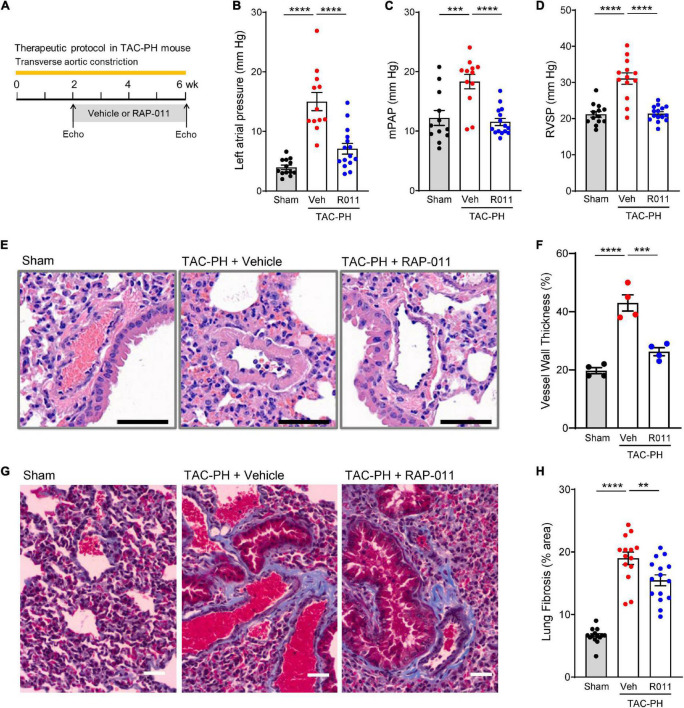
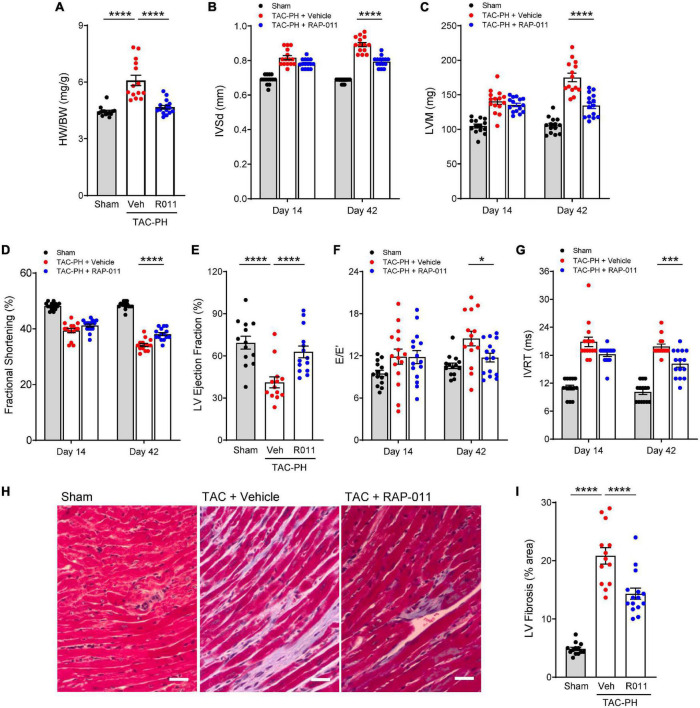
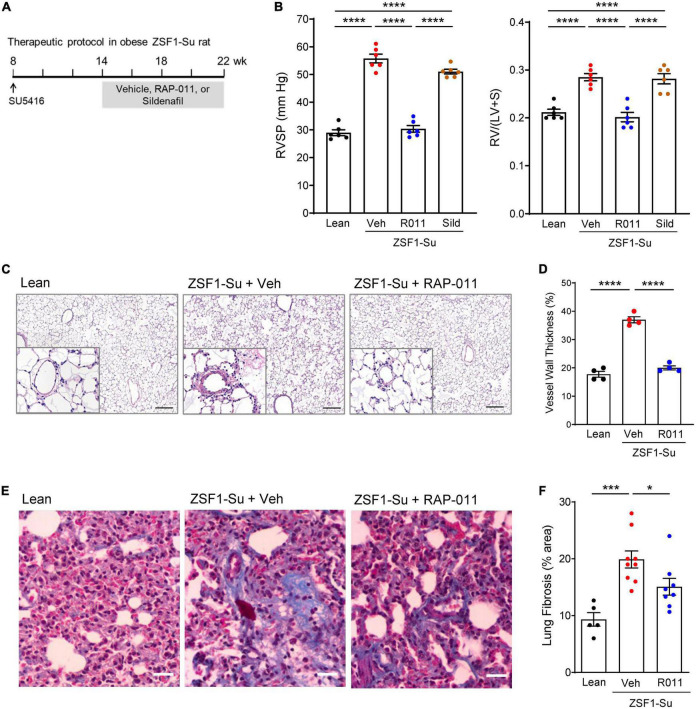
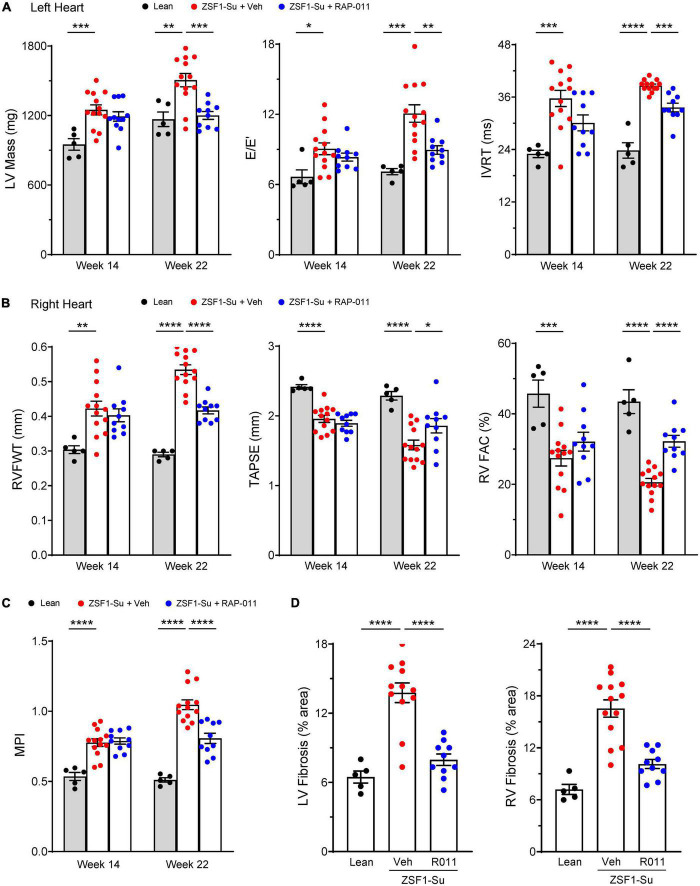
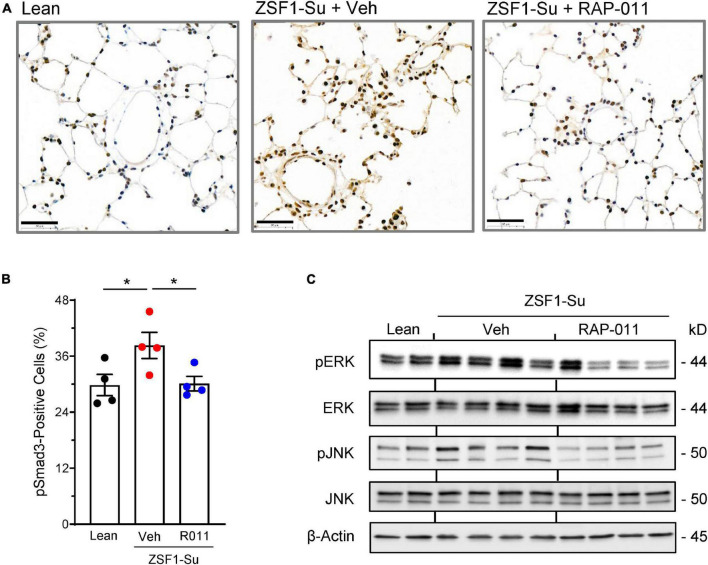
Pulmonary hypertension due to left heart disease (PH-LHD) is the most frequent manifestation of PH but lacks any approved treatment. Activin receptor type IIA-Fc fusion protein (ActRIIA-Fc) was found previously to be efficacious in experimental and human pulmonary arterial hypertension (PAH). Here we tested the hypothesis that ActRIIA-Fc improves pulmonary vascular remodeling and alleviates PH in models of PH-LHD, specifically in subtypes of heart failure with reduced ejection fraction (PH-HFrEF) and preserved ejection fraction (PH-HFpEF). Treatment with murine ActRIIA-Fc reduced cardiac remodeling and improved cardiac function in two mouse models of left heart disease without PH, confirming that this inhibitor of activin-class ligand signaling can exert cardioprotective effects in heart failure. In a mouse model of PH-HFrEF with prolonged pressure overload caused by transverse aortic constriction, ActRIIA-Fc treatment significantly reduced pulmonary vascular remodeling, pulmonary fibrosis, and pulmonary hypertension while exerting beneficial structural, functional, and histological effects on both the left and right heart. Additionally, in an obese ZSF1-SU5416 rat model of PH-HFpEF with metabolic dysregulation, therapeutic treatment with ActRIIA-Fc normalized SMAD3 overactivation in pulmonary vascular and perivascular cells, reversed pathologic pulmonary vascular and cardiac remodeling, improved pulmonary and cardiac fibrosis, alleviated PH, and produced marked functional improvements in both cardiac ventricles. Studies revealed that treatment with ActRIIA-Fc prevents an abnormal, glucose-induced, activin-mediated, migratory phenotype in human pulmonary artery smooth muscle cells, providing a mechanism by which ActRIIA-Fc could exert therapeutic effects in experimental PH-HFpEF with metabolic dysregulation. Our results demonstrate that ActRIIA-Fc broadly corrects cardiopulmonary structure and function in experimental PH-LHD, including models of PH-HFrEF and PH-HFpEF, leading to alleviation of PH under diverse pathophysiological conditions. These findings highlight the important pathogenic contributions of activin-class ligands in multiple forms of experimental PH and support ongoing clinical evaluation of human ActRIIA-Fc (sotatercept) in patients with PH-HFpEF.
左心疾病所致肺动脉高压(PH-LHD)是肺动脉高压最常见的表现形式,但目前尚无获批的治疗方法。此前发现,激活素IIA型受体-Fc融合蛋白(ActRIIA-Fc)在实验性和人类肺动脉高压(PAH)中具有疗效。在此,我们验证了一个假说,即ActRIIA-Fc可改善PH-LHD模型中的肺血管重塑并减轻肺动脉高压,特别是在射血分数降低的心力衰竭(PH-HFrEF)和射血分数保留的心力衰竭(PH-HFpEF)亚型中。在两种无肺动脉高压的左心疾病小鼠模型中,用鼠源ActRIIA-Fc治疗可减少心脏重塑并改善心脏功能,证实这种激活素类配体信号抑制剂可在心力衰竭中发挥心脏保护作用。在经主动脉缩窄导致长期压力超负荷的PH-HFrEF小鼠模型中,ActRIIA-Fc治疗可显著减少肺血管重塑、肺纤维化和肺动脉高压,同时对左心和右心产生有益的结构、功能和组织学影响。此外,在伴有代谢失调的肥胖ZSF1-SU5416大鼠PH-HFpEF模型中,ActRIIA-Fc治疗可使肺血管和血管周围细胞中的SMAD3过度激活恢复正常,逆转病理性肺血管和心脏重塑,改善肺和心脏纤维化,减轻肺动脉高压,并使两个心室的功能得到显著改善。研究表明,ActRIIA-Fc治疗可预防人肺动脉平滑肌细胞中由葡萄糖诱导的、激活素介导的异常迁移表型,这为ActRIIA-Fc在伴有代谢失调的实验性PH-HFpEF中发挥治疗作用提供了一种机制。我们的结果表明,ActRIIA-Fc可广泛纠正实验性PH-LHD中的心肺结构和功能,包括PH-HFrEF和PH-HFpEF模型,从而在多种病理生理条件下减轻肺动脉高压。这些发现突出了激活素类配体在多种形式的实验性肺动脉高压中的重要致病作用,并支持对PH-HFpEF患者进行人源ActRIIA-Fc(索他西普)的持续临床评估。