NAICONS Srl, 20139 Milan, Italy.
Host-Microbe Interactomics Group, Wageningen University, 6708 WD Wageningen, The Netherlands.
ACS Chem Biol. 2023 Apr 21;18(4):861-874. doi: 10.1021/acschembio.2c00958. Epub 2023 Mar 15.
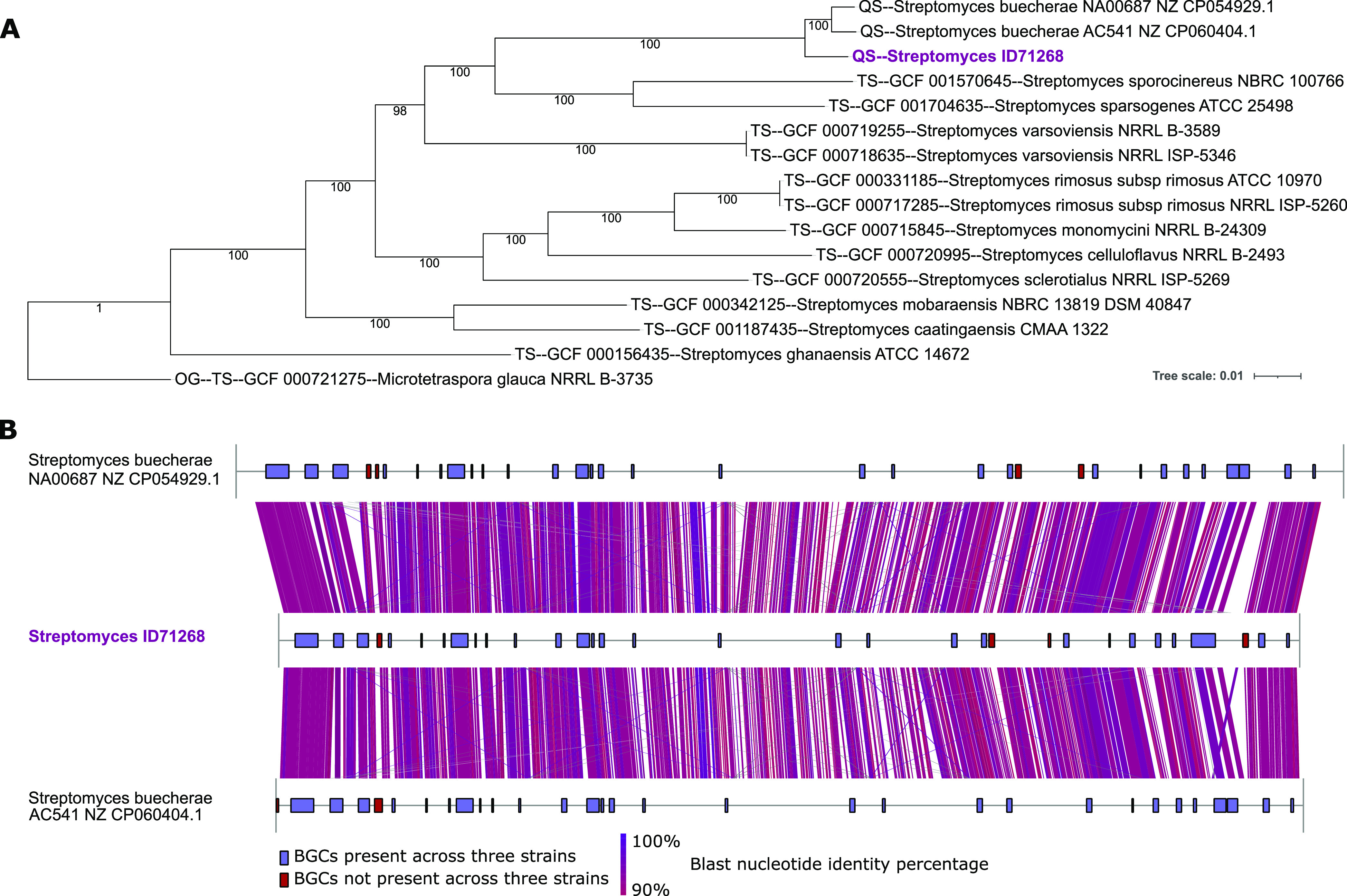
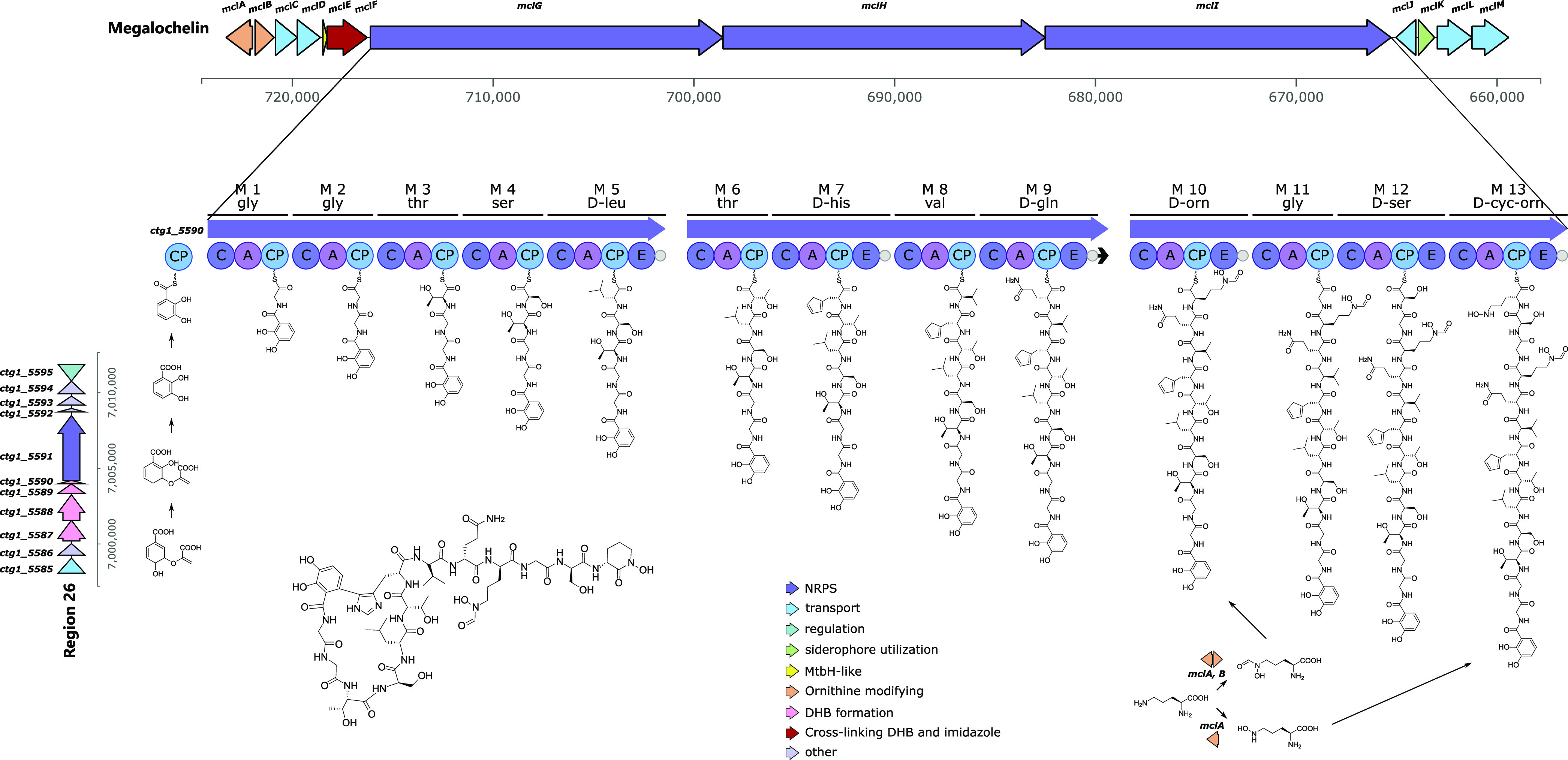
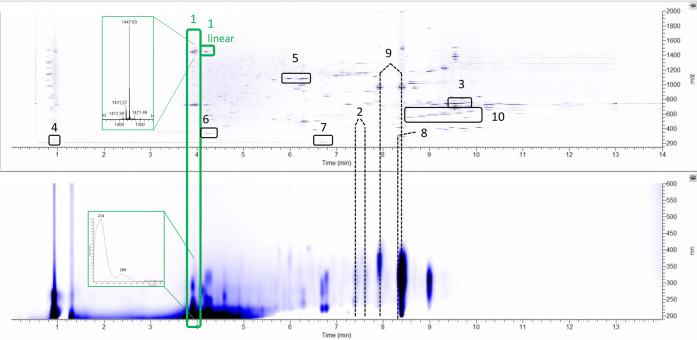
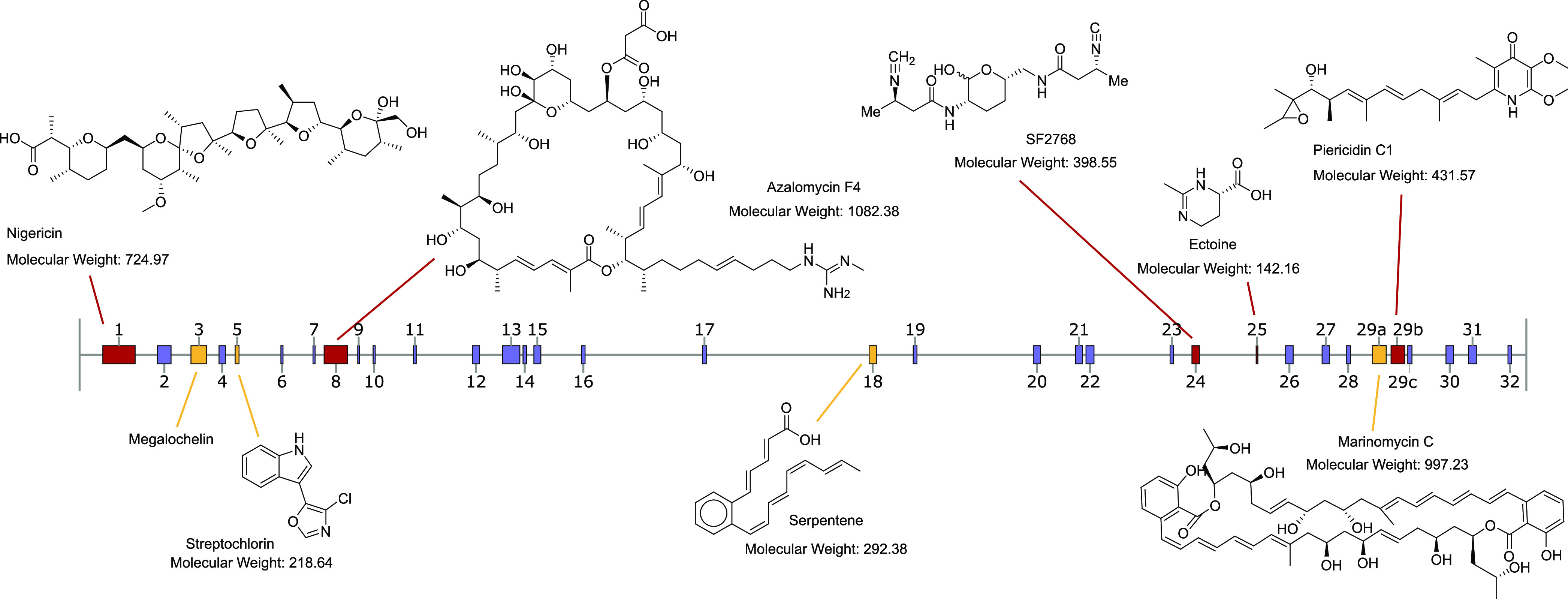
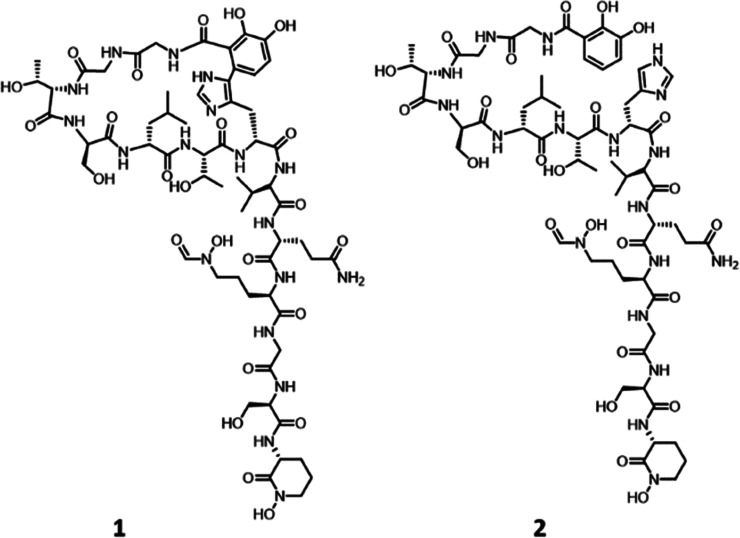
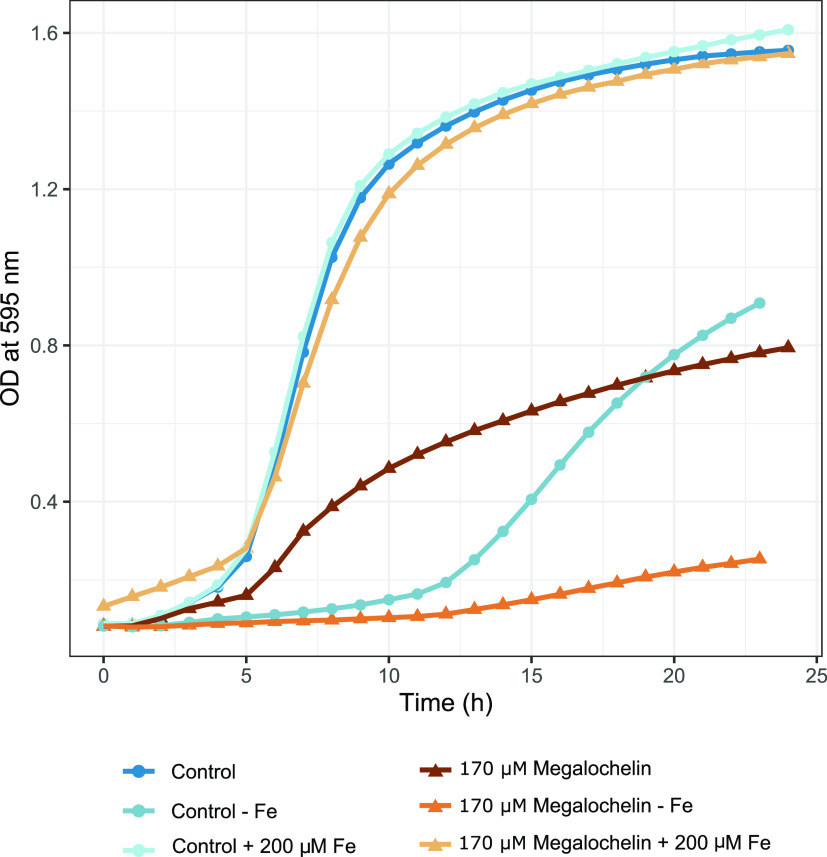
Streptomycetes are bacteria known for their extraordinary biosynthetic capabilities. Herein, we describe the genome and metabolome of a particularly talented strain, Streptomyces ID71268. Its 8.4-Mbp genome harbors 32 bioinformatically predicted biosynthetic gene clusters (BGCs), out of which 10 are expressed under a single experimental condition. In addition to five families of known metabolites with previously assigned BGCs (nigericin, azalomycin F, ectoine, SF2766, and piericidin), we were able to predict BGCs for three additional metabolites: streptochlorin, serpetene, and marinomycin. The strain also produced two families of presumably novel metabolites, one of which was associated with growth inhibitory activity against the human opportunistic pathogen in an iron-dependent manner. Bioassay-guided fractionation, followed by extensive liquid chromatography-mass spectrometry (LC-MS) and NMR analyses, established that the molecule responsible for the observed antibacterial activity is an unusual tridecapeptide siderophore with a ring-and-tail structure: the heptapeptide ring is formed through a C-C bond between a 2,3-dihydroxybenzoate (DHB) cap on Gly1 and the imidazole moiety of His7, while the hexapeptide tail is sufficient for binding iron. This molecule, named megalochelin, is the largest known siderophore. The megalochelin BGC encodes a 13-module nonribosomal peptide synthetase for the synthesis of the tridecapeptide, and a copper-dependent oxidase, likely responsible for the DHB-imidazole cross-link, whereas the genes for synthesis of the DHB starter unit are apparently specified by a different BGC. Our results suggest that prolific producers of specialized metabolites may conceal hidden treasures within a background of known compounds.
链霉菌是一种以其非凡的生物合成能力而闻名的细菌。在此,我们描述了一种特别有天赋的链霉菌菌株,即链霉菌 ID71268 的基因组和代谢组。其 8.4-Mbp 基因组包含 32 个生物信息学预测的生物合成基因簇 (BGC),其中 10 个在单一实验条件下表达。除了先前分配有 BGC 的五个已知代谢物家族(那西霉素、阿扎霉素 F、章鱼胺、SF2766 和皮里西丁)外,我们还能够预测到另外三个代谢物的 BGC:链丝菌素、蛇根菌素和海洋霉素。该菌株还产生了两种可能的新型代谢物家族,其中一种与以铁依赖性方式抑制人体机会性病原体的生长抑制活性有关。基于生物测定的分级分离,结合广泛的液相色谱-质谱 (LC-MS) 和 NMR 分析,确定负责观察到的抗菌活性的分子是一种不寻常的十三肽铁载体,具有环和尾结构:七肽环通过 2,3-二羟基苯甲酸 (DHB) 帽上的 Gly1 和 His7 的咪唑部分之间的 C-C 键形成,而六肽尾足以结合铁。这种分子被命名为 megalochelin,是已知最大的铁载体。Megalochelin BGC 编码一个 13 模块非核糖体肽合成酶用于合成十三肽,以及一个铜依赖性氧化酶,可能负责 DHB-咪唑交联,而 DHB 起始单元的合成基因显然由不同的 BGC 指定。我们的研究结果表明,专门代谢产物的丰富生产者可能在已知化合物的背景下隐藏着宝藏。