Department of International Health, Liverpool School of Tropical Medicine, Liverpool, UK.
Department of Neglected Tropical Diseases, Sightsavers Nigeria Country Office, Kaduna P.O. Box 503, Kaduna Nigeria.
Int Health. 2023 Mar 24;15(Suppl 1):i18-i29. doi: 10.1093/inthealth/ihac073.
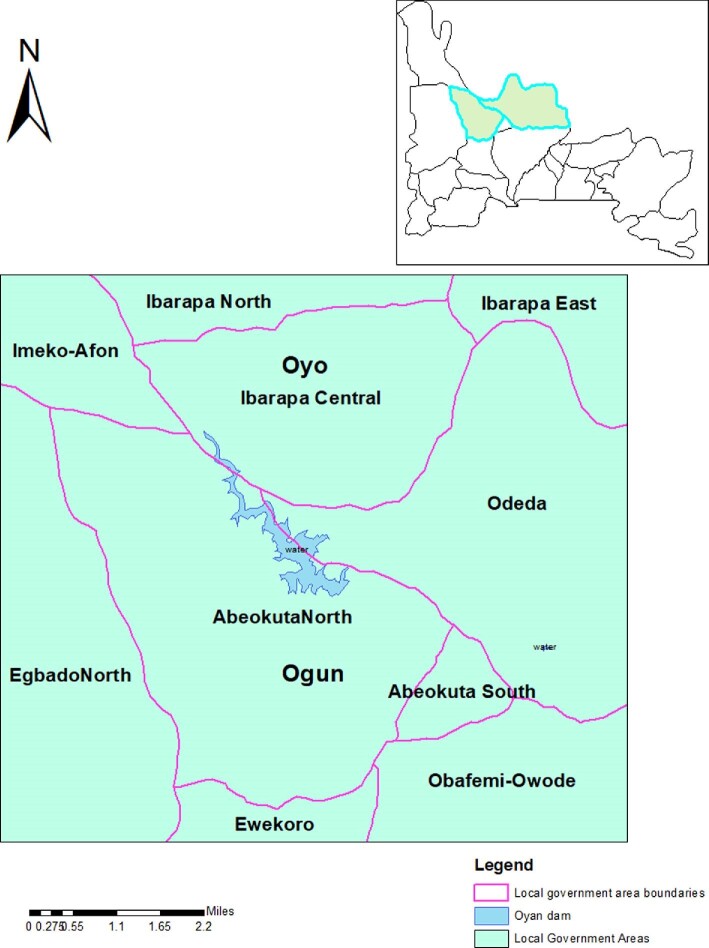
Detection and management of female genital schistosomiasis (FGS) within primary healthcare is crucial for achieving schistosomiasis elimination, however, current technical strategies are not feasible in many settings. In Nigeria, there are currently no established standard operating procedures to support front-line health workers. This article presents an evaluation of piloting an FGS care package in two LGAs of Ogun State, Nigeria.
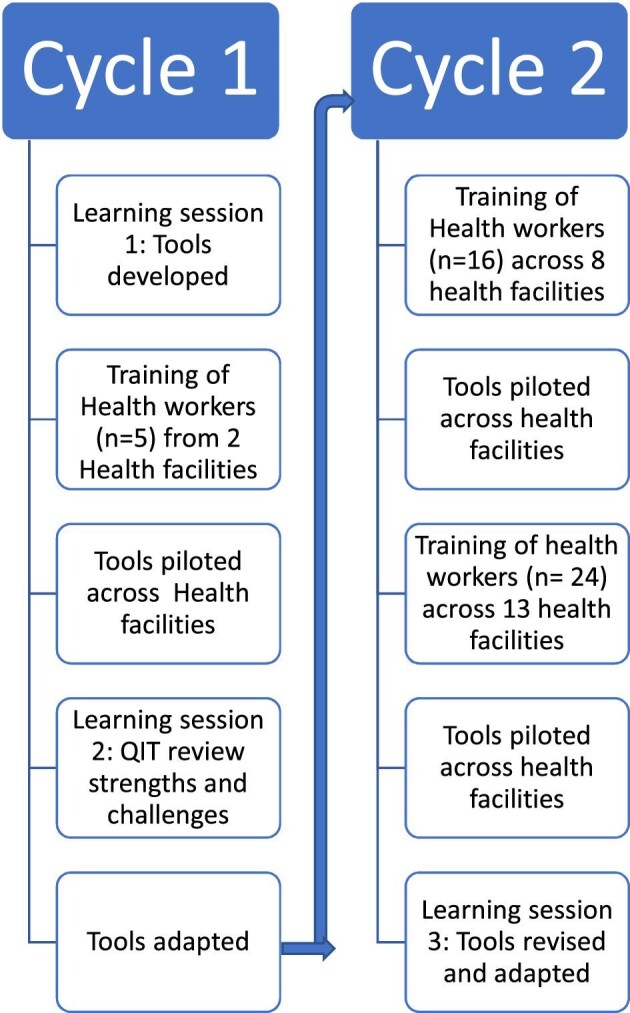
We used quantitative and qualitative analysis, including 46 interviews with patients, health workers and the quality improvement team; observations of training, learning sessions and supervision across 23 heath facilities; and records of patients detected and managed.
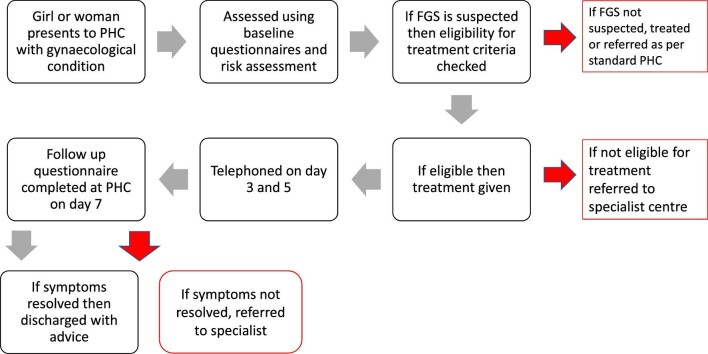
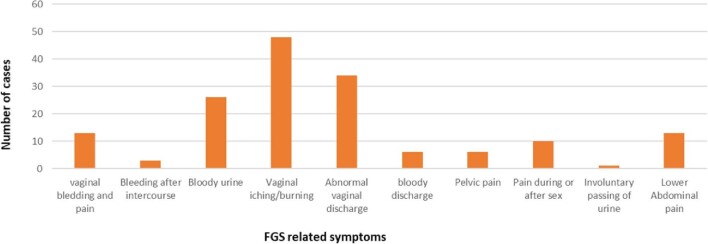
Of 79 women and girls who were screened, 66 were treated and followed up. Health workers assimilated knowledge of FGS and effectively diagnosed and managed patients, demonstrating the feasibility of using symptomatic screening and treatment tools to diagnose and care for women or girls with suspected FGS. Challenges included establishing a referral pathway to tertiary care for patients with complications, insecurity, gender norms that limited uptake and sensitization, the limited capacity of the workforce, conflicting priorities and praziquantel acquisition.
Simple tools can be used in primary healthcare settings to detect and manage women and girls with FGS. Contextual challenges must be addressed. Sustainability will require political and financial commitments.
在初级卫生保健中检测和管理女性生殖器官血吸虫病(FGS)对于实现血吸虫病消除至关重要,但目前的技术策略在许多情况下不可行。在尼日利亚,目前没有支持一线卫生工作者的既定标准操作程序。本文介绍了在尼日利亚奥贡州的两个地方政府区域试点 FGS 护理包的评估情况。
我们使用定量和定性分析,包括对 79 名妇女和女孩进行了 46 次访谈,访谈对象包括患者、卫生工作者和质量改进团队;观察了 23 个卫生机构的培训、学习会议和监督情况;以及记录了被发现和管理的患者情况。
在接受筛查的 79 名妇女和女孩中,有 66 人接受了治疗和随访。卫生工作者吸收了 FGS 的知识,并有效地诊断和管理了患者,证明使用症状性筛查和治疗工具来诊断和照顾疑似 FGS 的妇女或女孩是可行的。挑战包括为有并发症的患者建立向三级护理转诊的途径、不安全、限制参与和敏感化的性别规范、劳动力能力有限、优先事项冲突以及吡喹酮的获取。
简单的工具可以在初级卫生保健环境中用于检测和管理患有 FGS 的妇女和女孩。必须解决具体背景下的挑战。可持续性将需要政治和财政承诺。