Department of Petroleum and Energy Studies, School of Engineering and Technology, DIT University, Dehradun, India.
Department of Chemical Engineering, Shiraz Branch, Islamic Azad University, Shiraz, Iran.
Sci Rep. 2023 Mar 25;13(1):4892. doi: 10.1038/s41598-023-32187-2.
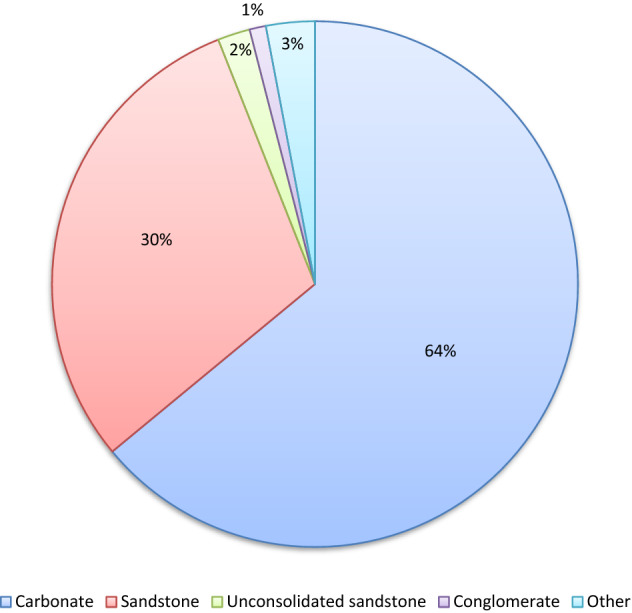
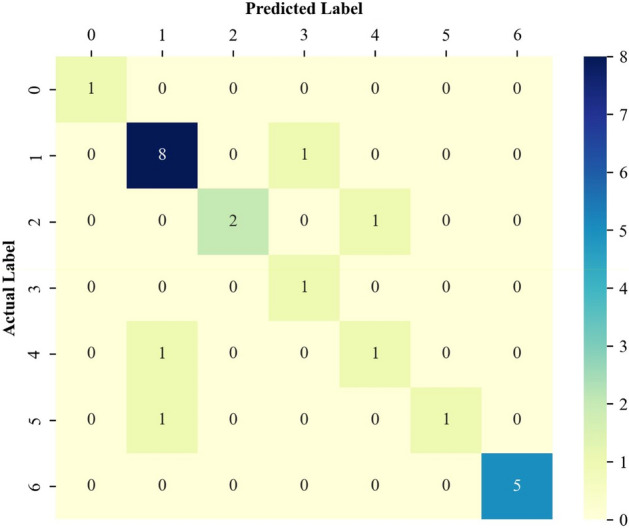
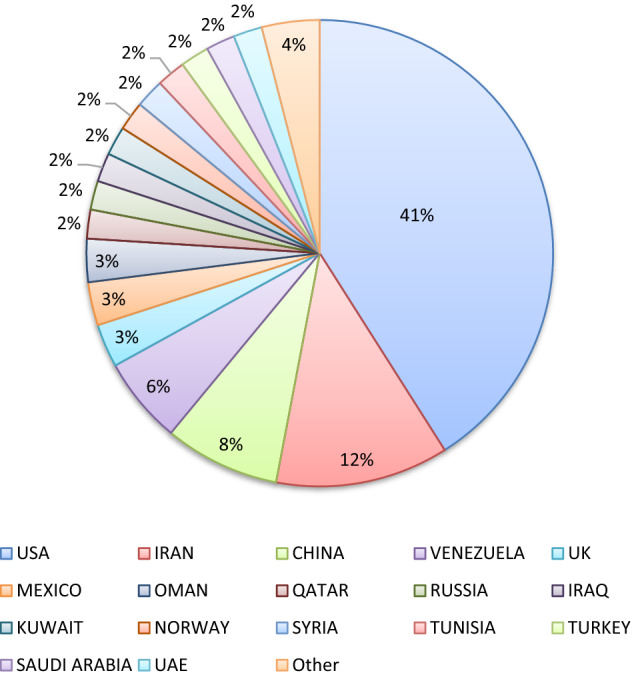
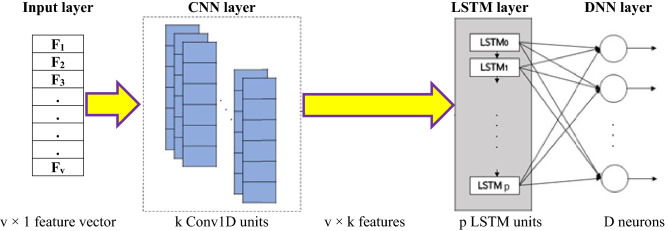
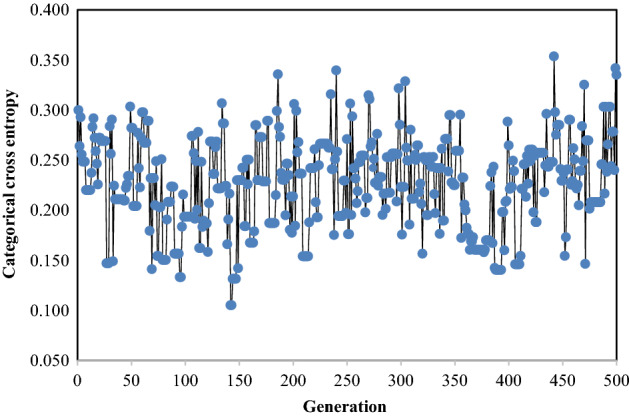
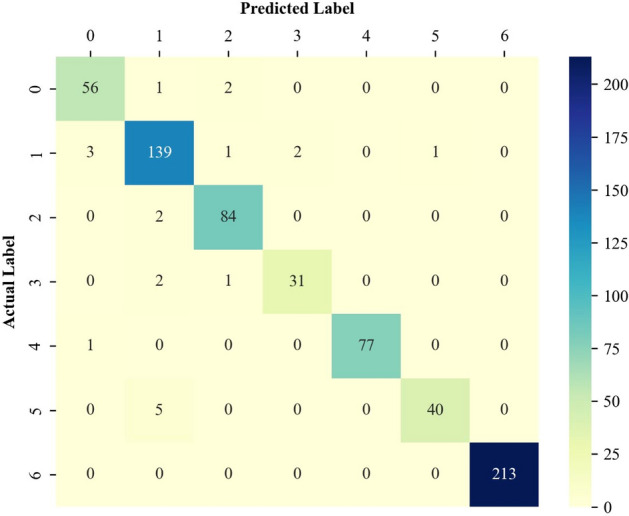
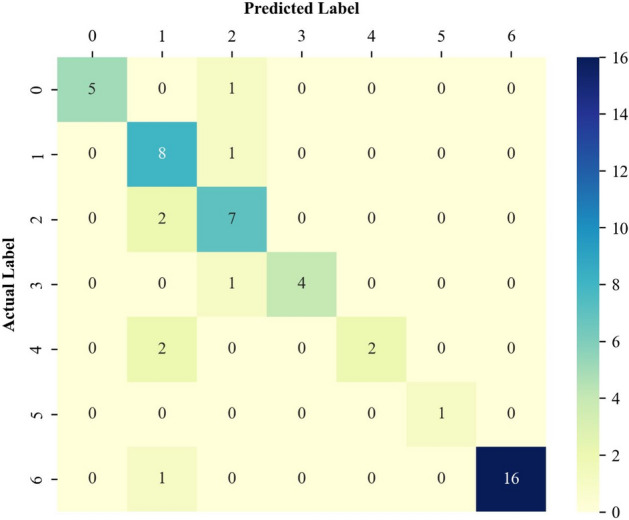
High oil prices and concern about limited oil reserves lead to increase interest in enhanced oil recovery (EOR). Selecting the most efficient development plan is of high interest to optimize economic cost. Hence, the main objective of this study is to construct a novel deep-learning classifier to select the best EOR method based on the reservoir's rock and fluid properties (depth, porosity, permeability, gravity, viscosity), and temperature. Our deep learning-based classifier consists of a one-dimensional (1D) convolutional neural network, long short-term memory (LSTM), and densely connected neural network layers. The genetic algorithm has been applied to tune the hyperparameters of this hybrid classifier. The proposed classifier is developed and tested using 735 EOR projects on sandstone, unconsolidated sandstone, carbonate, and conglomerate reservoirs in more than 17 countries. Both the numerical and graphical investigations approve that the structure-tuned deep learning classifier is a reliable tool to screen the EOR scenarios and select the best one. The designed model correctly classifies training, validation, and testing examples with an accuracy of 96.82%, 84.31%, and 82.61%, respectively. It means that only 30 out of 735 available EOR projects are incorrectly identified by the proposed deep learning classifier. The model also demonstrates a small categorical cross-entropy of 0.1548 for the classification of the involved enhanced oil recovery techniques. Such a powerful classifier is required to select the most suitable EOR candidate for a given oil reservoir with limited field information.
高油价和对有限石油储备的担忧导致人们对提高石油采收率(EOR)的兴趣增加。选择最有效的开发计划对于优化经济成本非常重要。因此,本研究的主要目的是构建一种新颖的深度学习分类器,根据储层的岩石和流体特性(深度、孔隙度、渗透率、重力、粘度)和温度来选择最佳的 EOR 方法。我们的基于深度学习的分类器由一维(1D)卷积神经网络、长短时记忆(LSTM)和密集连接神经网络层组成。遗传算法已被应用于调整这种混合分类器的超参数。该分类器是使用 17 个以上国家的砂岩、未固结砂岩、碳酸盐岩和砾岩储层的 735 个 EOR 项目开发和测试的。数值和图形研究都证明了结构调整后的深度学习分类器是筛选 EOR 方案并选择最佳方案的可靠工具。设计的模型可以正确地对训练、验证和测试示例进行分类,准确率分别为 96.82%、84.31%和 82.61%。这意味着,在所提供的 735 个可用 EOR 项目中,只有 30 个被提出的深度学习分类器错误识别。该模型还展示了涉及的增强型采油技术的小类别交叉熵为 0.1548,用于分类。对于具有有限现场信息的特定油藏,需要这种强大的分类器来选择最合适的 EOR 候选方案。