Pastuch-Gawołek Gabriela, Szreder Julia, Domińska Monika, Pielok Mateusz, Cichy Piotr, Grymel Mirosława
Department of Organic Chemistry, Bioorganic Chemistry and Biotechnology, Silesian University of Technology, B. Krzywoustego 4, 44-100 Gliwice, Poland.
Biotechnology Centre, Silesian University of Technology, B. Krzywoustego 8, 44-100 Gliwice, Poland.
Pharmaceutics. 2023 Mar 11;15(3):913. doi: 10.3390/pharmaceutics15030913.
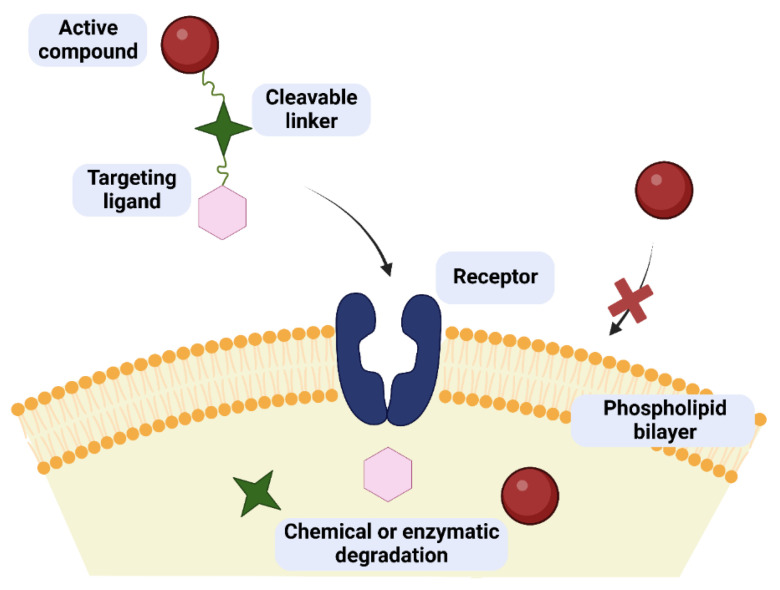
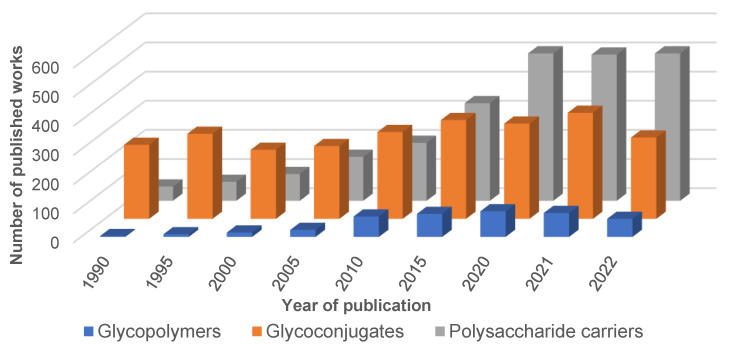
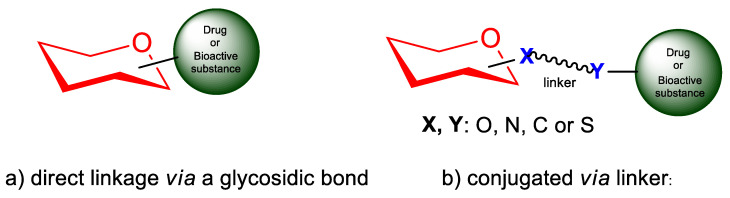
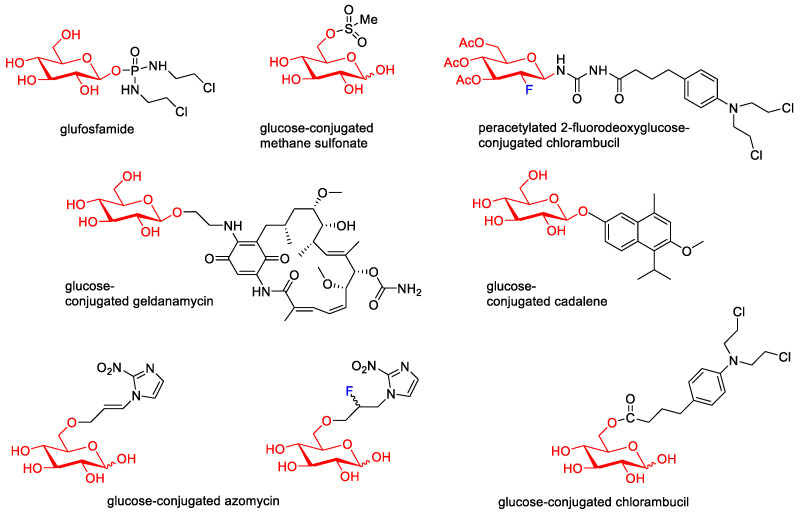
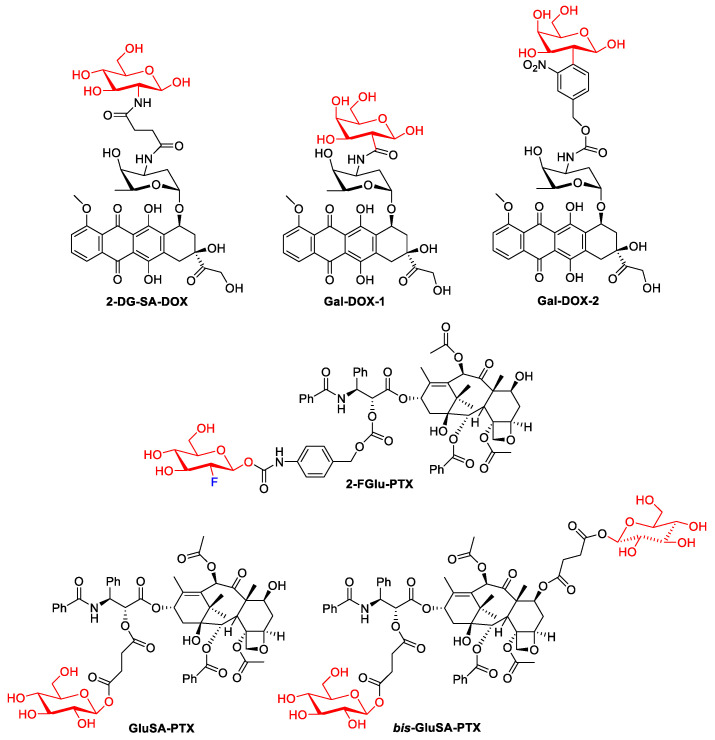
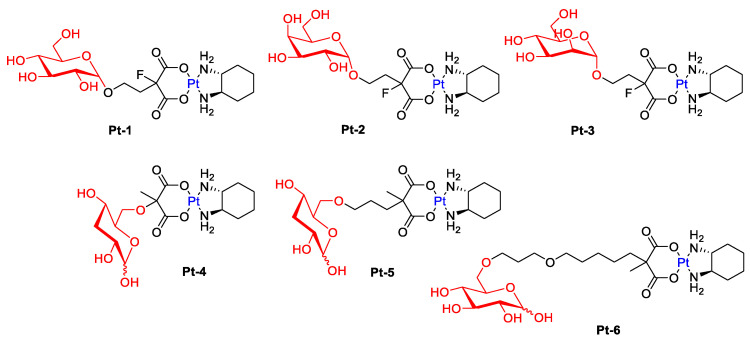
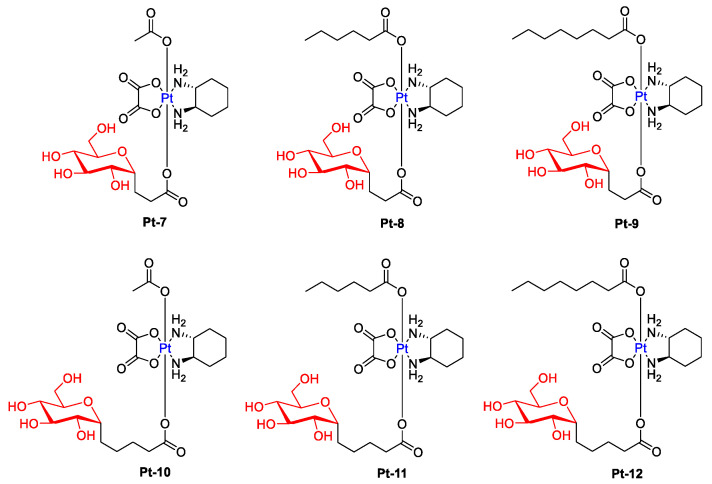
The number of cancer-related diseases is still growing. Despite the availability of a large number of anticancer drugs, the ideal drug is still being sought that would be effective, selective, and overcome the effect of multidrug resistance. Therefore, researchers are still looking for ways to improve the properties of already-used chemotherapeutics. One of the possibilities is the development of targeted therapies. The use of prodrugs that release the bioactive substance only under the influence of factors characteristic of the tumor microenvironment makes it possible to deliver the drug precisely to the cancer cells. Obtaining such compounds is possible by coupling a therapeutic agent with a ligand targeting receptors, to which the attached ligand shows affinity and is overexpressed in cancer cells. Another way is to encapsulate the drug in a carrier that is stable in physiological conditions and sensitive to conditions of the tumor microenvironment. Such a carrier can be directed by attaching to it a ligand recognized by receptors typical of tumor cells. Sugars seem to be ideal ligands for obtaining prodrugs targeted at receptors overexpressed in cancer cells. They can also be ligands modifying polymers' drug carriers. Furthermore, polysaccharides can act as selective nanocarriers for numerous chemotherapeutics. The proof of this thesis is the huge number of papers devoted to their use for modification or targeted transport of anticancer compounds. In this work, selected examples of broad-defined sugars application for improving the properties of both already-used drugs and substances exhibiting anticancer activity are presented.
与癌症相关的疾病数量仍在增加。尽管有大量抗癌药物可供使用,但仍在寻找理想的药物,这种药物应有效、具有选择性,并能克服多药耐药性的影响。因此,研究人员仍在寻找改善已使用化疗药物特性的方法。其中一种可能性是开发靶向疗法。使用仅在肿瘤微环境特有的因素影响下才释放生物活性物质的前药,使得能够将药物精确地递送至癌细胞。通过将治疗剂与靶向受体的配体偶联来获得此类化合物,所连接的配体对癌细胞中过表达的受体具有亲和力。另一种方法是将药物封装在在生理条件下稳定且对肿瘤微环境条件敏感的载体中。这样的载体可以通过连接肿瘤细胞典型受体识别的配体来进行定向。糖类似乎是获得靶向癌细胞中过表达受体的前药的理想配体。它们也可以是修饰聚合物药物载体的配体。此外,多糖可以作为多种化疗药物的选择性纳米载体。本文的证据是大量致力于将其用于抗癌化合物修饰或靶向运输的论文。