Magagnoli Joseph, Yerramothu Praveen, Ambati Kameshwari, Cummings Tammy, Nguyen Joseph, Thomas Claire C, Wang Shao-Bin, Cheng Kaitlyn, Juraev Maksud, Dholkawala Roshni, Nagasaka Ayami, Ambati Meenakshi, Nagasaka Yosuke, Ban Ashley, Ambati Vidya L, Sutton S Scott, Gelfand Bradley D, Ambati Jayakrishna
Dorn Research Institute, Columbia VA Health Care System, Columbia, SC 29209.
Department of Clinical Pharmacy and Outcomes Sciences, College of Pharmacy, University of South Carolina, Columbia, SC 29208.
medRxiv. 2023 Mar 20:2023.03.17.23287375. doi: 10.1101/2023.03.17.23287375.
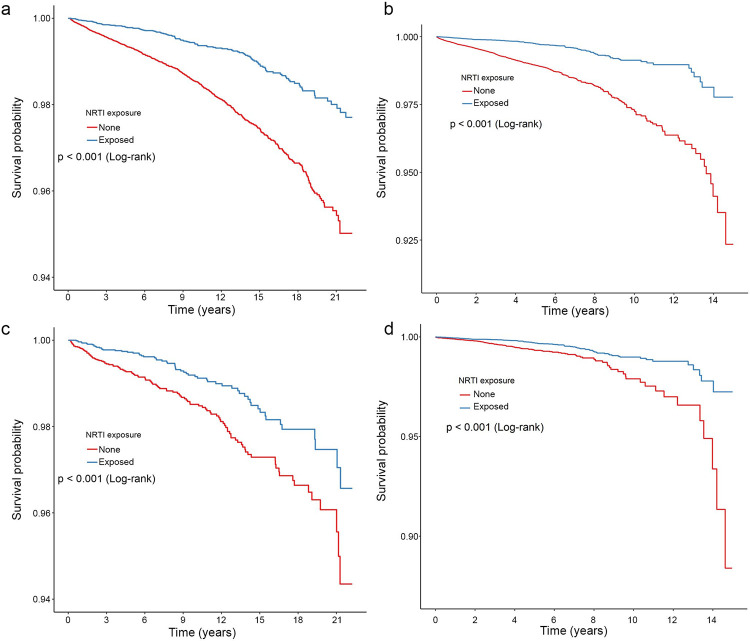
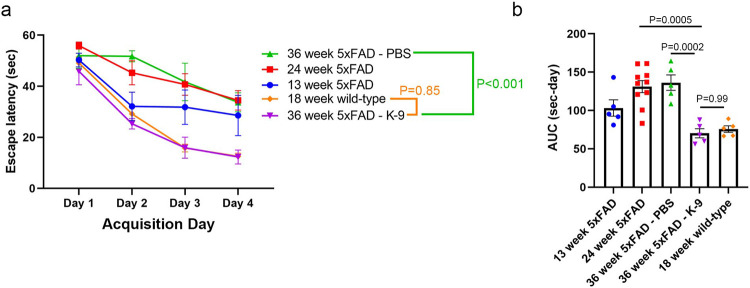
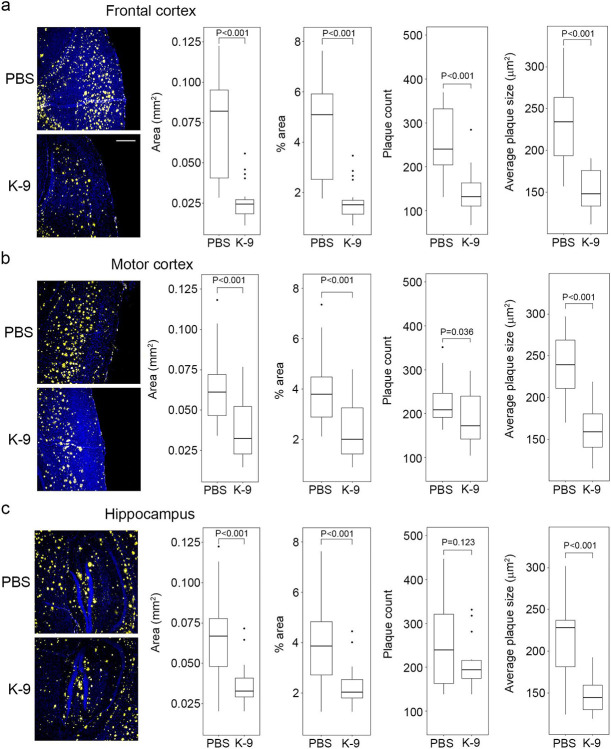
Innate immune signaling through the NLRP3 inflammasome has been implicated in the pathogenesis of Alzheimer's disease (AD), the most prevalent form of dementia. We previously demonstrated that nucleoside reverse transcriptase inhibitors (NRTIs), drugs approved to treat HIV and hepatitis B infections, also inhibit inflammasome activation. Here we report that in humans, NRTI exposure was associated with a significantly lower incidence of AD in two of the largest health insurance databases in the United States. Treatment of aged 5xFAD mice (a mouse model of amyloid-β deposition that expresses five mutations found in familial AD) with Kamuvudine-9 (K-9), an NRTI-derivative with enhanced safety profile, reduced Aβ deposition and reversed their cognitive deficit by improving their spatial memory and learning performance to that of young wild-type mice. These findings support the concept that inflammasome inhibition could benefit AD and provide a rationale for prospective clinical testing of NRTIs or K-9 in AD.
通过NLRP3炎性小体的先天性免疫信号传导与最常见的痴呆形式——阿尔茨海默病(AD)的发病机制有关。我们之前证明,已被批准用于治疗HIV和乙型肝炎感染的核苷类逆转录酶抑制剂(NRTIs)也能抑制炎性小体激活。在此我们报告,在美国两个最大的健康保险数据库中,人类接触NRTIs与AD发病率显著降低相关。用安全性更高的NRTI衍生物卡穆夫定-9(K-9)治疗老年5xFAD小鼠(一种表达家族性AD中发现的五个突变的淀粉样β沉积小鼠模型),可减少Aβ沉积,并通过将其空间记忆和学习能力提高到年轻野生型小鼠的水平来逆转其认知缺陷。这些发现支持炎性小体抑制可能对AD有益的概念,并为在AD中对NRTIs或K-9进行前瞻性临床试验提供了理论依据。