Alharbi Yasser Ayish
Department of Basic Medical Sciences, College of Medicine, King Saud Bin Abdul Aziz University for Health Sciences, (KSAU-HS), King Abdullah International Medical Research Center (KAIMRC), National Guard Health Affair (NGHA), King Abdul-Aziz Medical City.
Anat Cell Biol. 2023 Jun 30;56(2):211-218. doi: 10.5115/acb.22.262. Epub 2023 Apr 6.
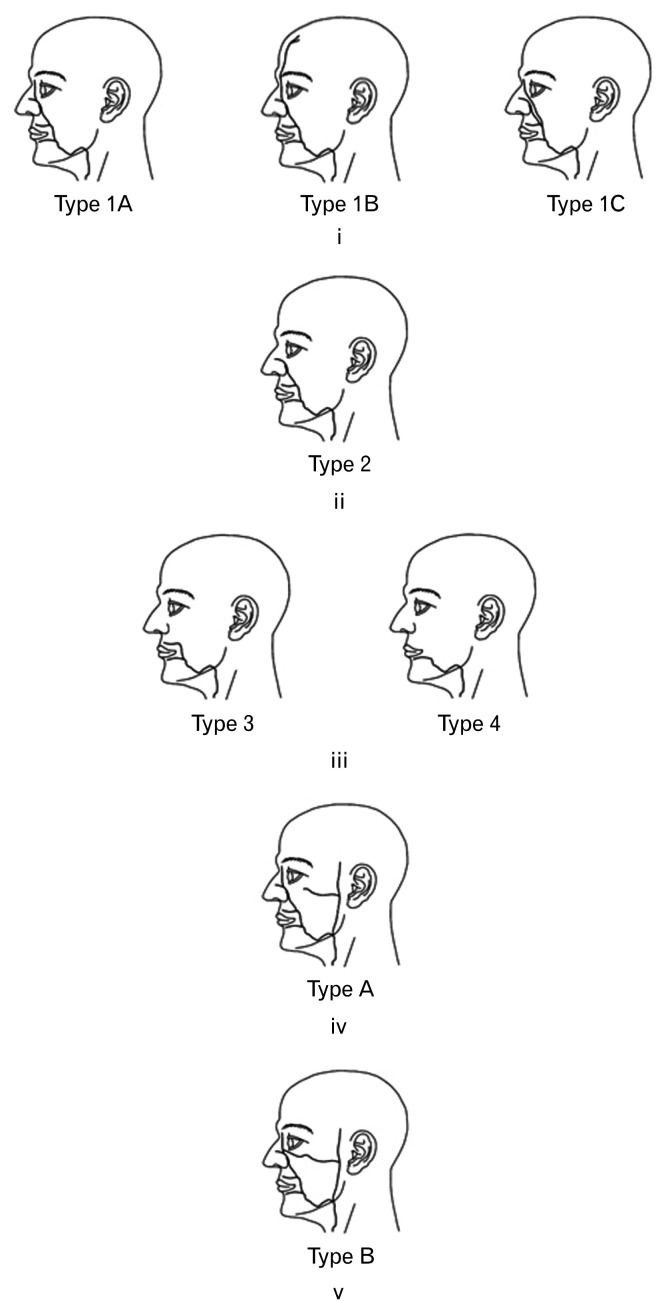
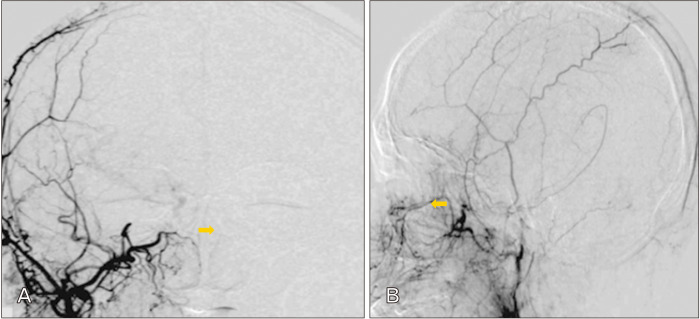
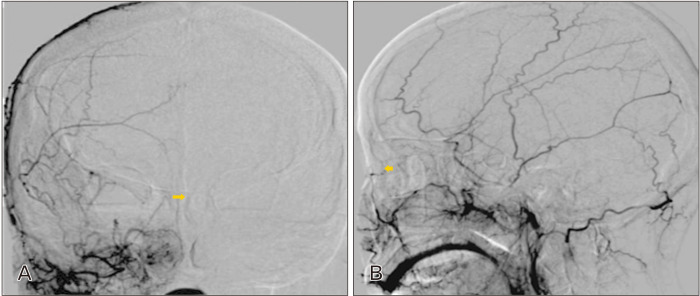
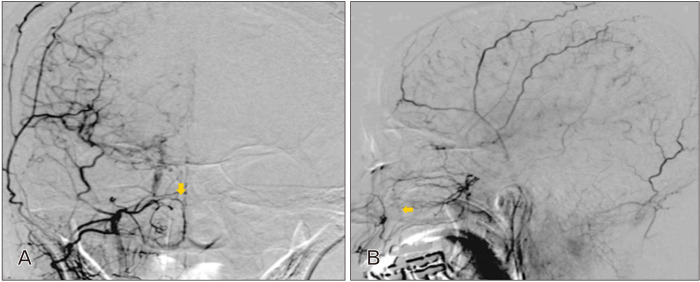
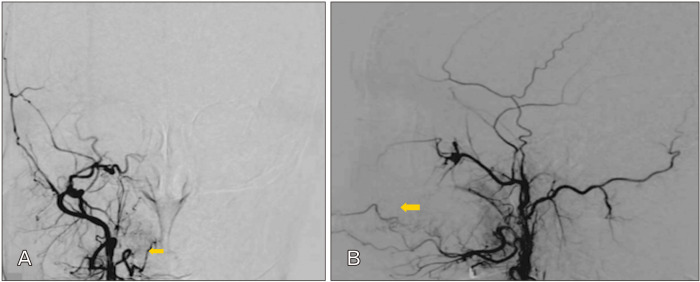
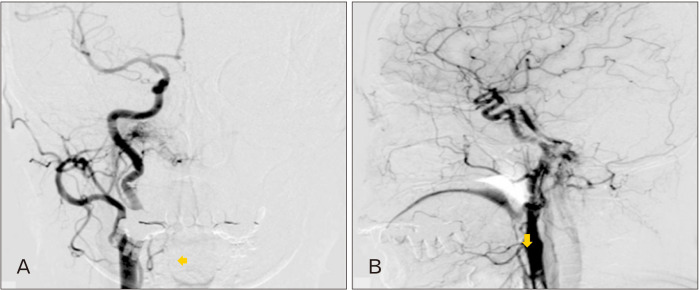
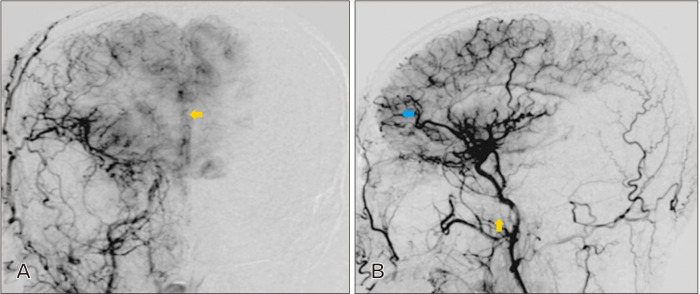
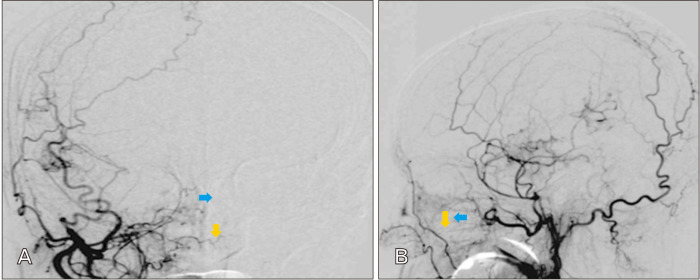
Despite several studies focusing on the facial arteries variable courses, the findings have significantly differed. The divergent findings have made it increasingly challenging to establish consistent correlations. Thus, as a vital artery, the facial artery is prone to numerous variations, which makes the identification of the variations vital to clinical practice, particularly for the orofacial and rhinoplastic surgery, and the increasingly selective chemotherapy procedures. The present research uses angiography images for analysis in studying the bilateral facial artery variations noted in patients undergoing carotid angiography for the evaluation of congenital anomalies, cerebral vascular malformations, and intra-arterial procedures. Conventional angiography was used, as it is a vital assessment tool that helps in the assessment of variations in the facial arteries and is suitable in evaluating smaller vascular anatomy, due to the perfect spatial resolution and portrayal of vascular anatomy. Thus, rather than normal ending of the facial artery as an angular artery, the study disclosed that in certain instances, the artery termination took the form of a superior labial artery with a small lateral nasal artery branch located closer to the midline compared to the normal cases. Also, the study has disclosed a conspicuous pre-masseteric branch with small branches originating from the infraorbital artery and providing potential compensation for the facial artery's shortness. Regardless of the infrequency of such variations, it is vital that they are considered during the performance of any facial surgical procedure.
尽管有多项研究聚焦于面动脉的不同走行,但研究结果差异显著。这些不同的结果使得建立一致的关联变得越来越具有挑战性。因此,作为一条重要动脉,面动脉容易出现多种变异,这使得识别这些变异对临床实践至关重要,特别是对于口腔颌面外科和鼻整形手术,以及日益精细化的化疗操作。本研究使用血管造影图像进行分析,以研究在接受颈动脉血管造影以评估先天性异常、脑血管畸形和动脉内操作的患者中观察到的双侧面动脉变异。采用传统血管造影,因为它是一种重要的评估工具,有助于评估面动脉的变异,并且由于其完美的空间分辨率和血管解剖结构的描绘,适用于评估较小的血管解剖结构。因此,该研究发现,与正常情况相比,面动脉并非正常地以角动脉结束,在某些情况下,动脉终止形式为上唇动脉,且有一个较小的鼻外侧动脉分支,其位置更靠近中线。此外,该研究还发现了一条明显的咬肌前分支,有小分支起源于眶下动脉,可为面动脉的短小提供潜在的代偿。无论这些变异的发生率如何,在进行任何面部外科手术时都必须考虑到它们。