Kizilaslan Esma Z, Ghadge Nitin M, Martinez Andrea, Bass Michelle, Winayak Rahul, Mathew Midhun, Amin Rutvi, Khan Muhammad, Kizilbash Nadeem
Department of Internal Medicine, Heinrich Heine University, Düsseldorf, DEU.
Department of Communicable Disease, New York State Department of Health, Albany, USA.
Cureus. 2023 Mar 13;15(3):e36058. doi: 10.7759/cureus.36058. eCollection 2023 Mar.
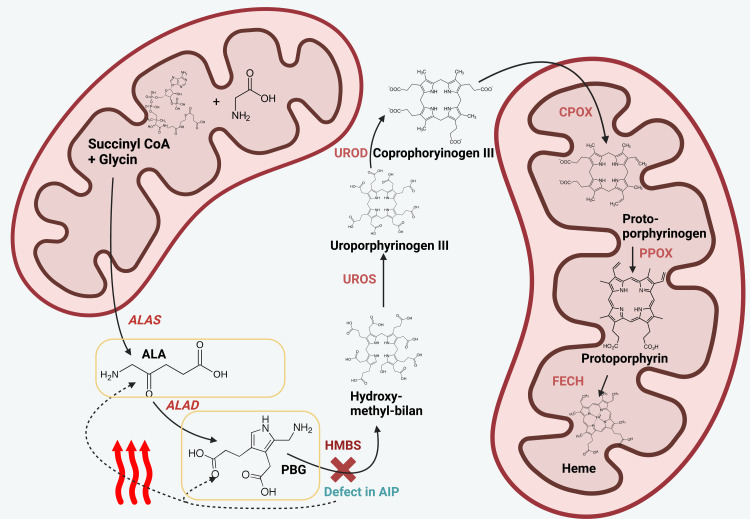
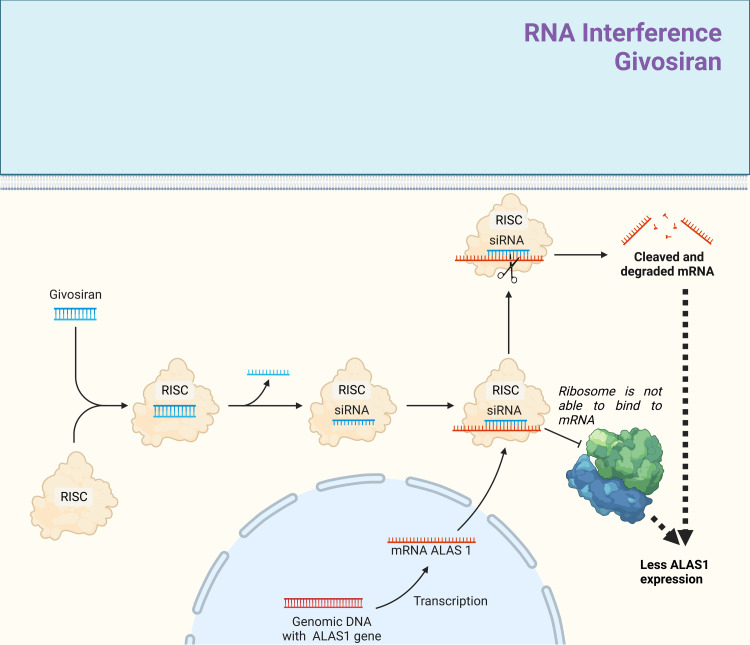
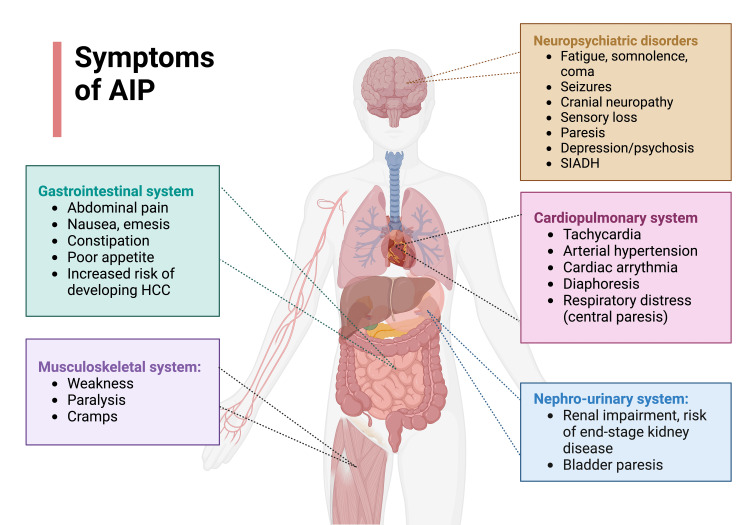
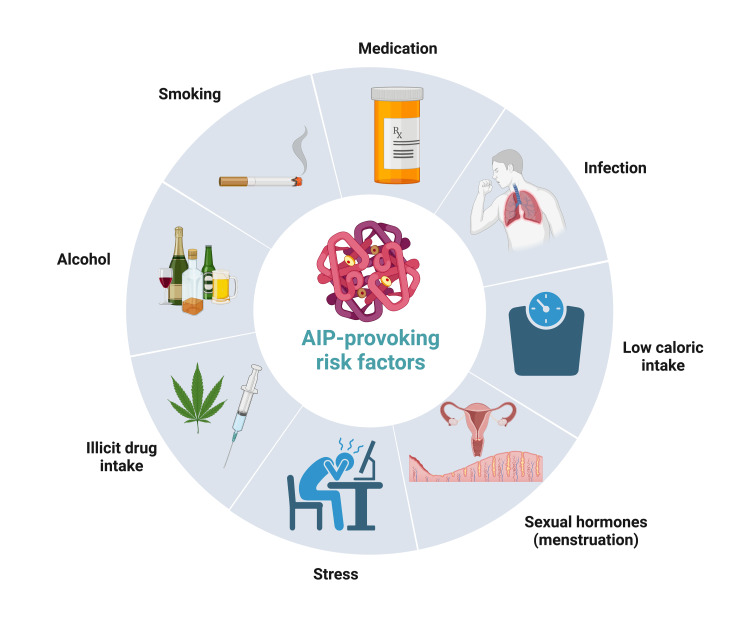
Acute intermittent porphyria (AIP) is an autosomal dominant disorder of heme biosynthesis in the liver that is caused by the accumulation of toxic heme metabolites aminolevulinic acid (ALA) and porphobilinogen (PBG) due to a deficiency in the enzyme hydroxymethylbilane synthase (HMBS). The prevalence of AIP is found to commonly affect females of reproductive age (ages 15-50) and people of Northern European descent. The clinical manifestations of AIP include acute and chronic symptoms that can be outlined into three phases: the prodromal phase, the visceral symptom phase, and the neurological phase. Major clinical symptoms involve severe abdominal pain, peripheral neuropathy, autonomic neuropathies, and psychiatric manifestations. Symptoms are often heterogeneous and vague, which can lead to life-threatening signs if not treated and managed appropriately. Whether treating AIP in its acute or chronic form, the cornerstone of treatment consists of the suppression of the production of ALA and PBG. The mainstay of managing acute attacks continues to comprise discontinuing porphyrogenic agents, adequate caloric support, heme treatment, and the treatment of symptoms. In recurrent attacks and chronic management, prevention is key with the consideration of liver transplantation and/or renal transplantation. In recent years, there has been great interest in emerging treatments that focus on a molecular level such as enzyme replacement therapy, gene inhibition, and even liver gene therapy (GT), which has changed the way of traditionally managing this disease and will pave the way for innovative therapies to come.
急性间歇性卟啉病(AIP)是一种肝脏中血红素生物合成的常染色体显性疾病,由羟甲基胆色素原合酶(HMBS)缺乏导致有毒血红素代谢产物δ-氨基-γ-酮戊酸(ALA)和胆色素原(PBG)积累引起。研究发现,AIP的患病率通常影响育龄女性(15 - 50岁)和北欧血统的人。AIP的临床表现包括急性和慢性症状,可概括为三个阶段:前驱期、内脏症状期和神经期。主要临床症状包括严重腹痛、周围神经病变、自主神经病变和精神症状。症状往往多种多样且不明确,如果得不到适当治疗和管理,可能会导致危及生命的体征。无论是治疗急性还是慢性形式的AIP,治疗的基石都包括抑制ALA和PBG的产生。治疗急性发作的主要方法仍然包括停用卟啉原剂、充足的热量支持、血红素治疗和症状治疗。在复发发作和慢性管理中,预防是关键,同时要考虑肝移植和/或肾移植。近年来,人们对聚焦于分子水平的新兴治疗方法,如酶替代疗法、基因抑制甚至肝脏基因疗法(GT)产生了浓厚兴趣,这些方法改变了传统上管理这种疾病的方式,并将为未来的创新疗法铺平道路。