Herman B Wells Center for Pediatric Research, Department of Pediatrics and.
Division of Hematology/Oncology, Department of Medicine, Indiana University School of Medicine, Indianapolis, Indiana, USA.
J Clin Invest. 2023 Jun 1;133(11):e163968. doi: 10.1172/JCI163968.
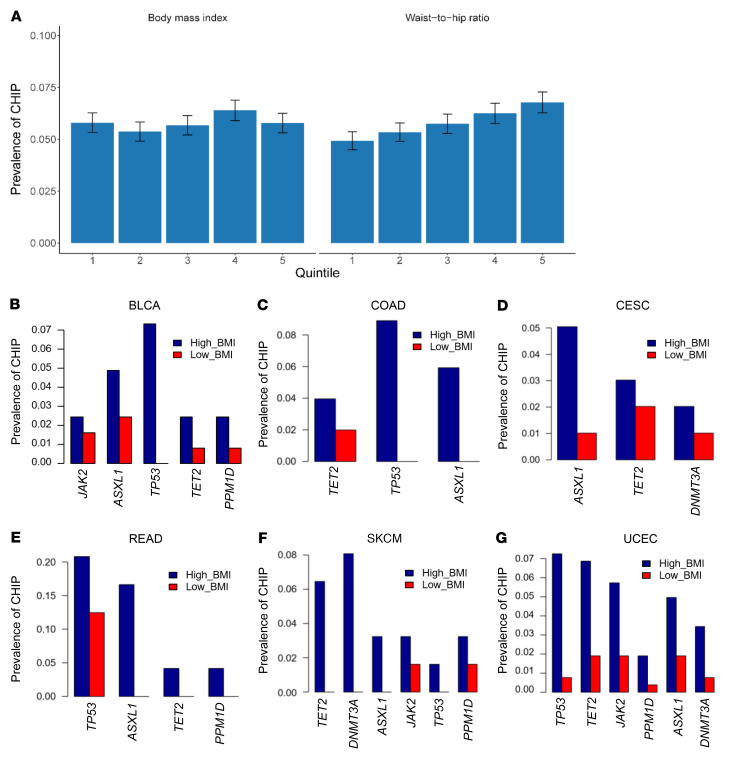
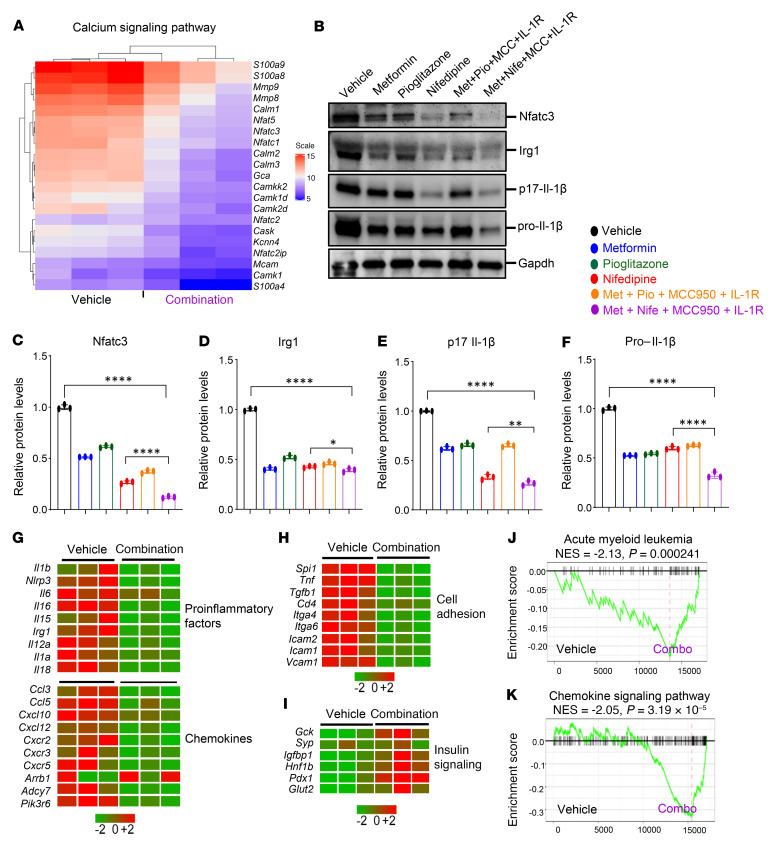
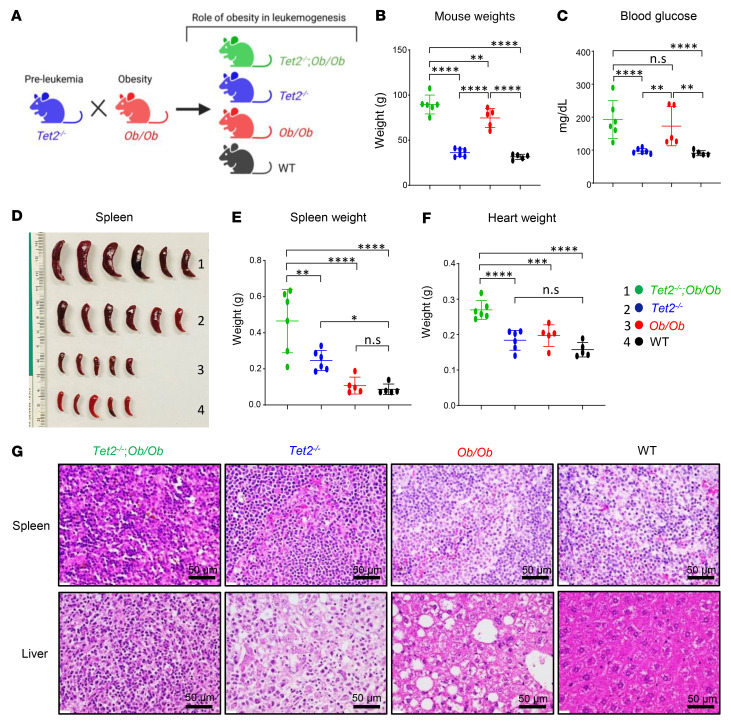
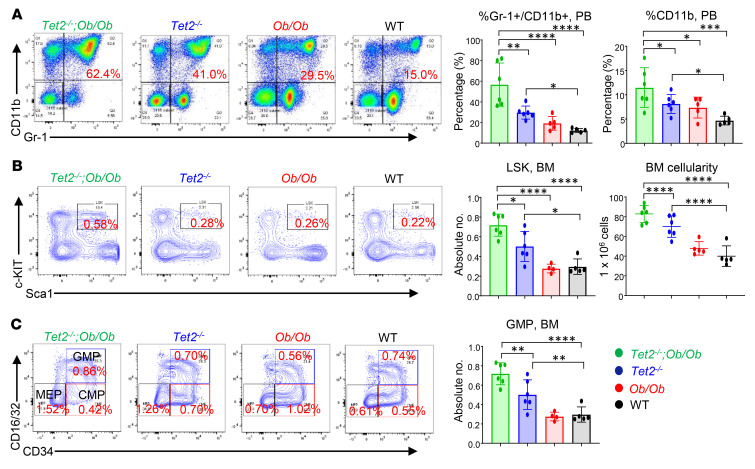
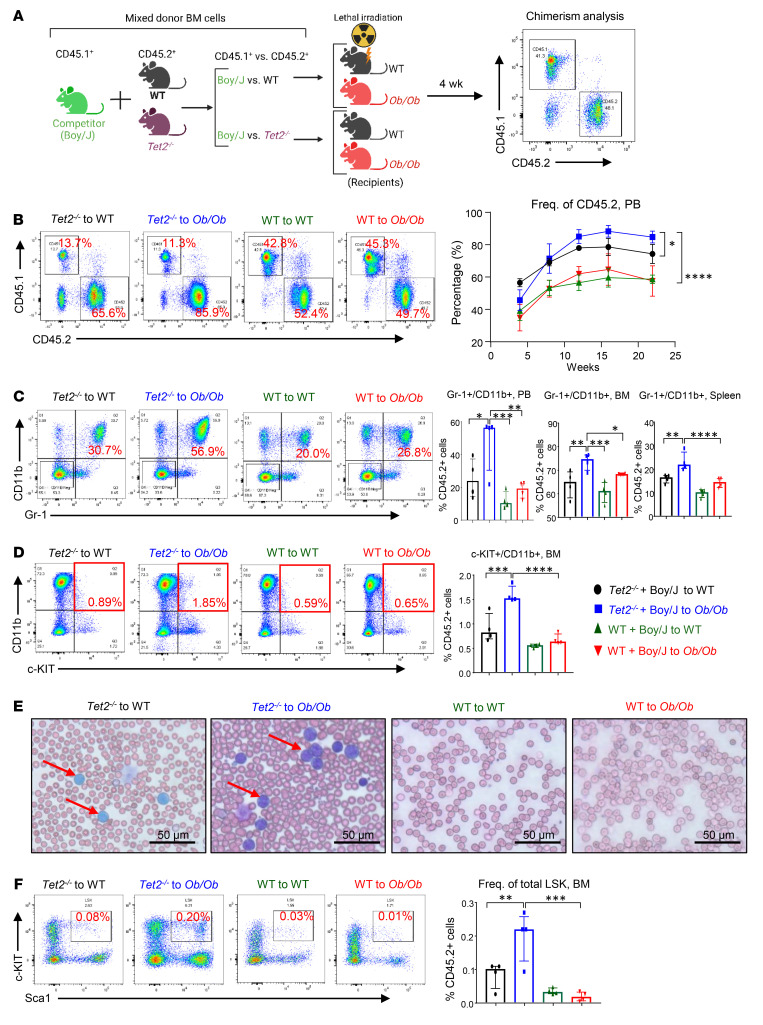
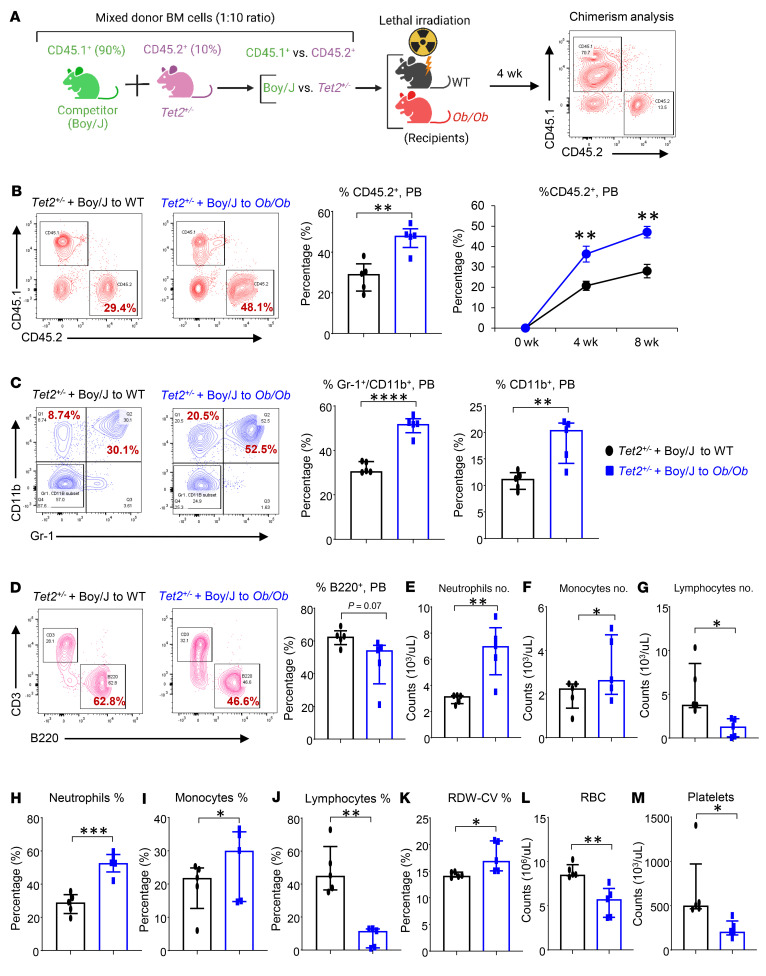
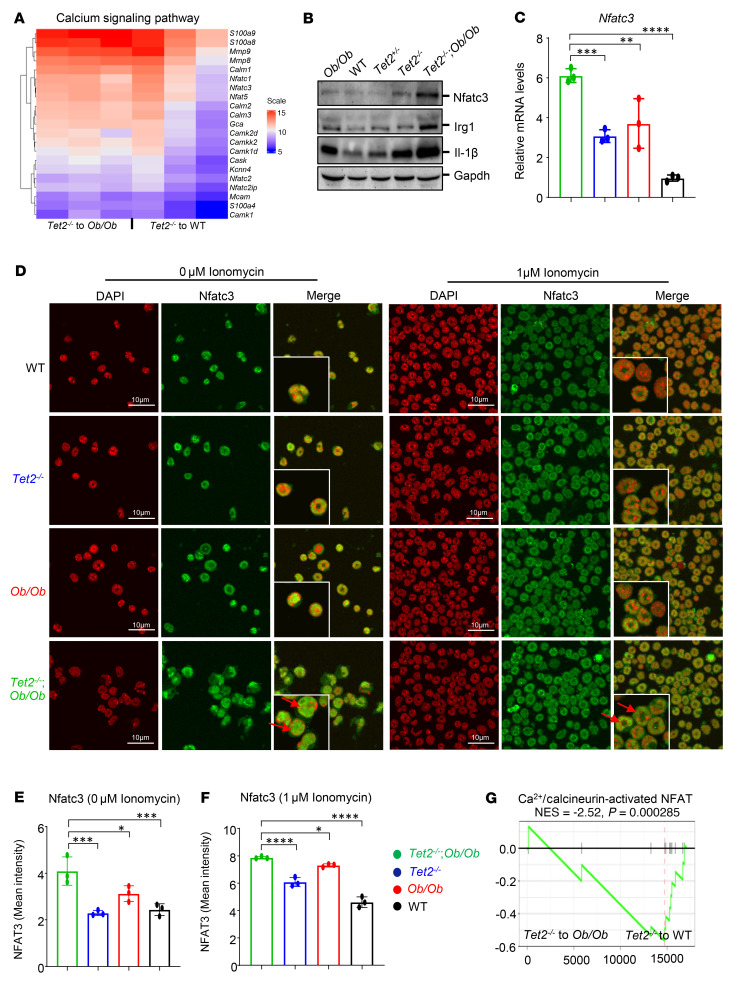
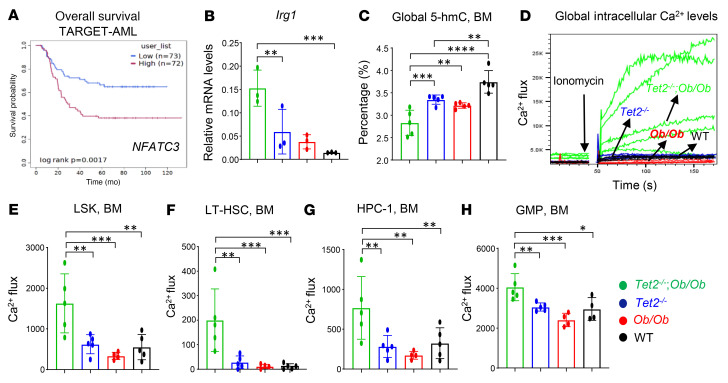
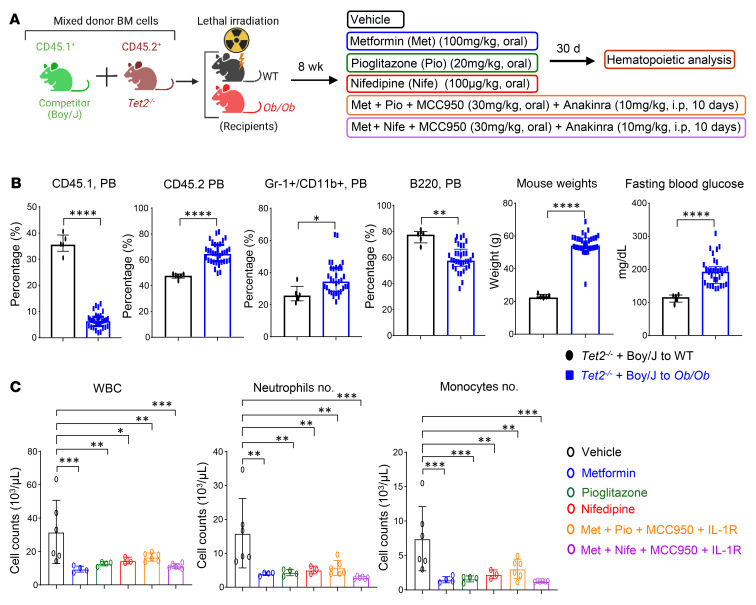
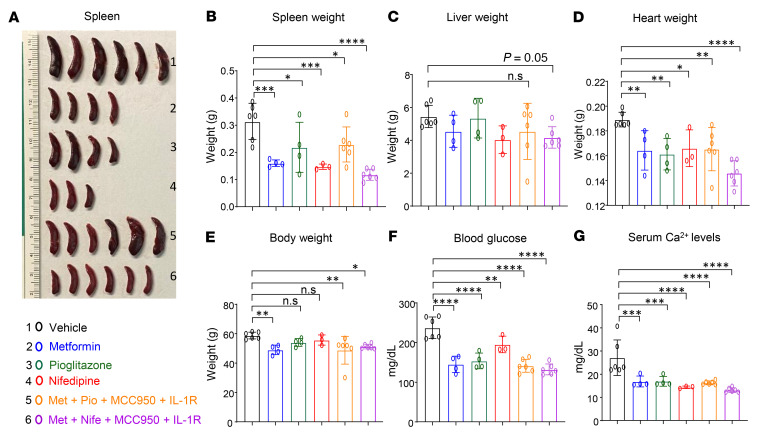
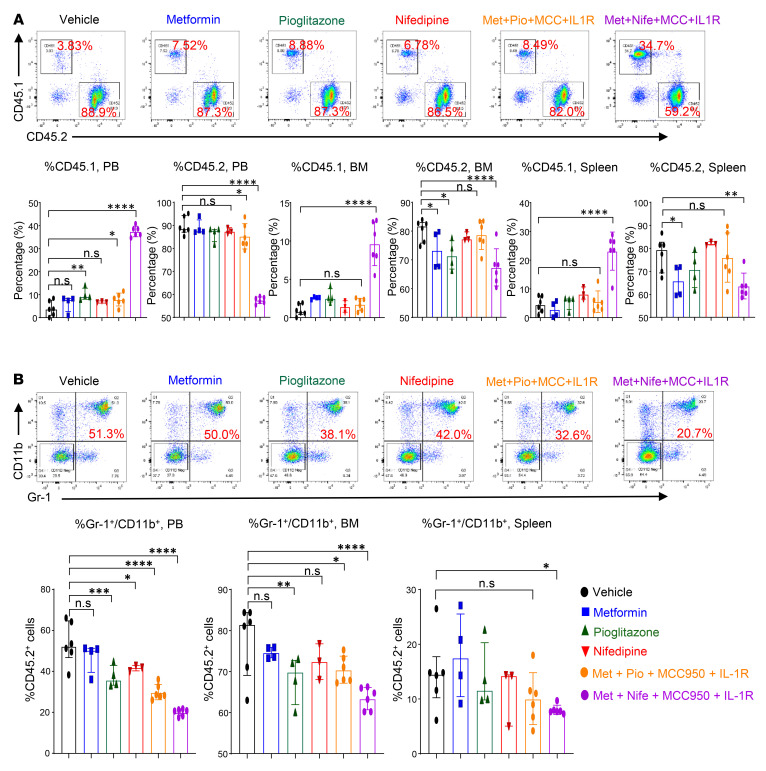
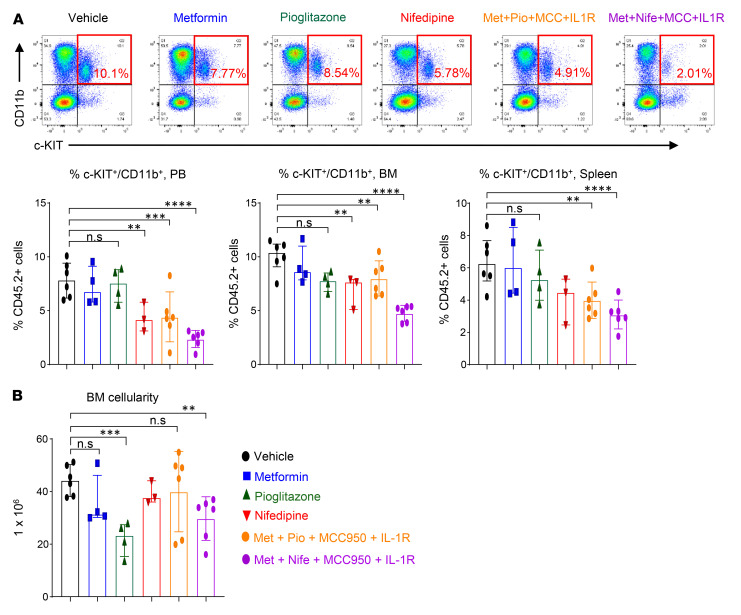
Characterized by the accumulation of somatic mutations in blood cell lineages, clonal hematopoiesis of indeterminate potential (CHIP) is frequent in aging and involves the expansion of mutated hematopoietic stem and progenitor cells (HSC/Ps) that leads to an increased risk of hematologic malignancy. However, the risk factors that contribute to CHIP-associated clonal hematopoiesis (CH) are poorly understood. Obesity induces a proinflammatory state and fatty bone marrow (FBM), which may influence CHIP-associated pathologies. We analyzed exome sequencing and clinical data for 47,466 individuals with validated CHIP in the UK Biobank. CHIP was present in 5.8% of the study population and was associated with a significant increase in the waist-to-hip ratio (WHR). Mouse models of obesity and CHIP driven by heterozygosity of Tet2, Dnmt3a, Asxl1, and Jak2 resulted in exacerbated expansion of mutant HSC/Ps due in part to excessive inflammation. Our results show that obesity is highly associated with CHIP and that a proinflammatory state could potentiate the progression of CHIP to more significant hematologic neoplasia. The calcium channel blockers nifedipine and SKF-96365, either alone or in combination with metformin, MCC950, or anakinra (IL-1 receptor antagonist), suppressed the growth of mutant CHIP cells and partially restored normal hematopoiesis. Targeting CHIP-mutant cells with these drugs could be a potential therapeutic approach to treat CH and its associated abnormalities in individuals with obesity.
以血细胞谱系中体细胞突变的积累为特征,未确定潜能的克隆性造血(CHIP)在衰老中很常见,涉及突变造血干细胞和祖细胞(HSC/Ps)的扩增,导致血液恶性肿瘤的风险增加。然而,导致与 CHIP 相关的克隆性造血(CH)的危险因素还了解甚少。肥胖会引起炎症状态和脂肪性骨髓(FBM),这可能会影响与 CHIP 相关的病理。我们分析了英国生物库中 47466 名经证实存在 CHIP 的个体的外显子组测序和临床数据。CHIP 存在于研究人群的 5.8%,与腰围臀围比(WHR)显著增加相关。由 Tet2、Dnmt3a、Asxl1 和 Jak2 杂合性驱动的肥胖和 CHIP 的小鼠模型导致突变 HSC/Ps 的过度扩增,部分原因是过度炎症。我们的结果表明,肥胖与 CHIP 高度相关,炎症状态可能会促进 CHIP 向更严重的血液肿瘤进展。钙通道阻滞剂硝苯地平和 SKF-96365 单独或与二甲双胍、MCC950 或 anakinra(IL-1 受体拮抗剂)联合使用可抑制突变 CHIP 细胞的生长,并部分恢复正常造血。用这些药物靶向 CHIP 突变细胞可能是治疗肥胖个体中 CH 及其相关异常的一种潜在治疗方法。