Espinosa-Cotton Madelyn, Guo Hong-Fen, Tickoo Satish K, Cheung Nai-Kong V
Department of Pediatrics, Memorial Sloan Kettering Cancer Center, New York, NY, United States.
Department of Pathology, Memorial Sloan Kettering Cancer Center, New York, NY, United States.
Front Oncol. 2023 Apr 5;13:1104693. doi: 10.3389/fonc.2023.1104693. eCollection 2023.
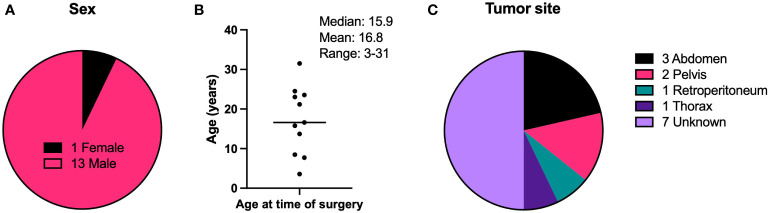
Development of successful antibody-based immunotherapeutic and radioimmunotherapeutic strategies rely on the identification of cell surface tumor-associated antigens (TAA) with restricted expression on normal tissues. Desmoplastic small round cell tumor (DSRCT) is a rare and generally neglected malignancy that primarily affects adolescent and young adult males. New therapies capable of treating disseminated disease are needed for DSRCT, which is often widespread at diagnosis.
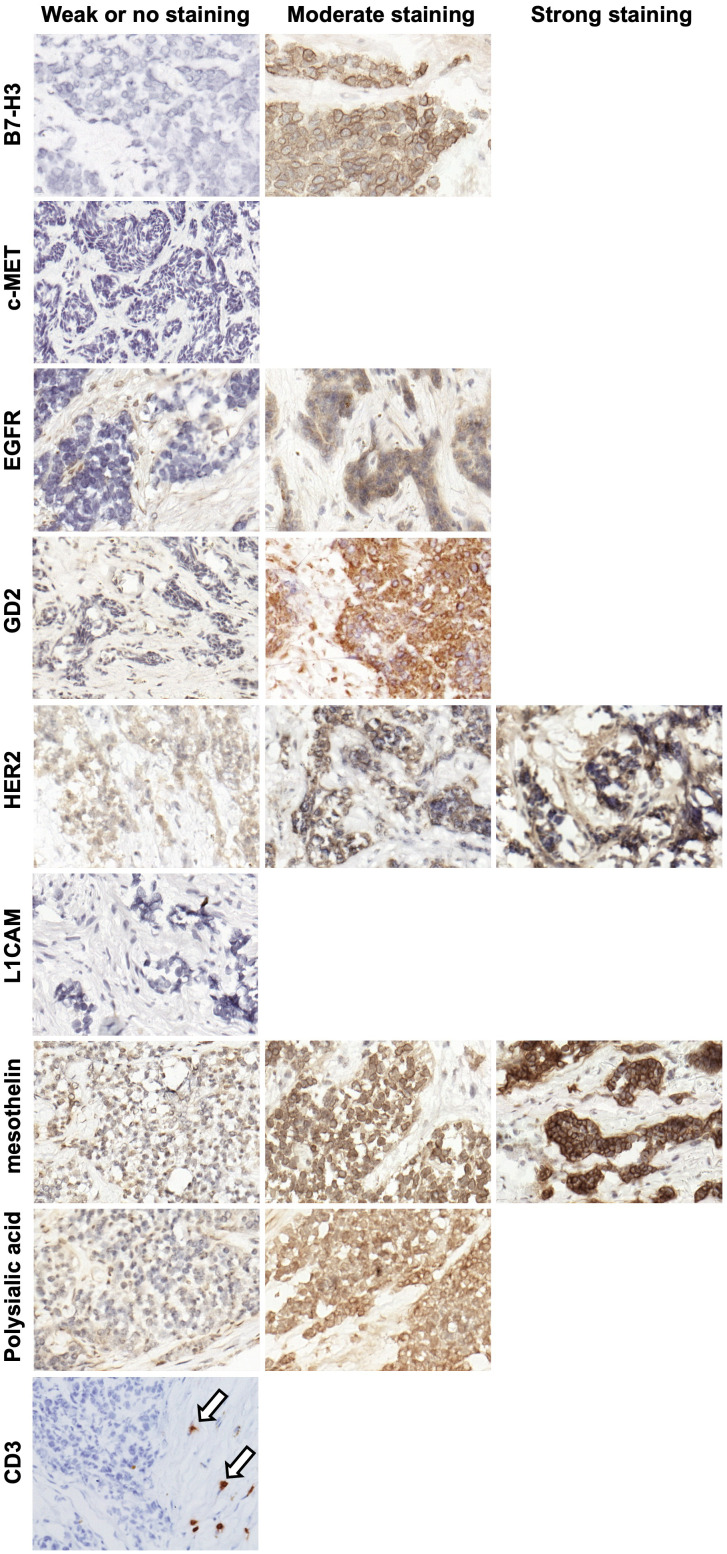
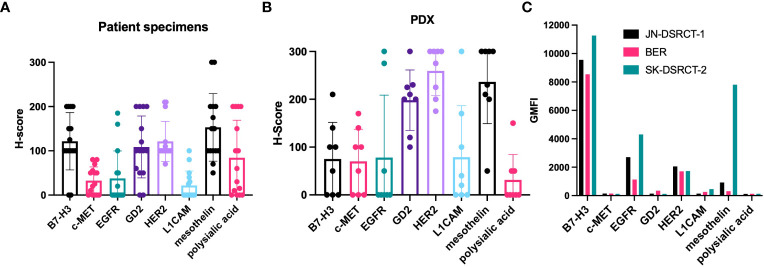
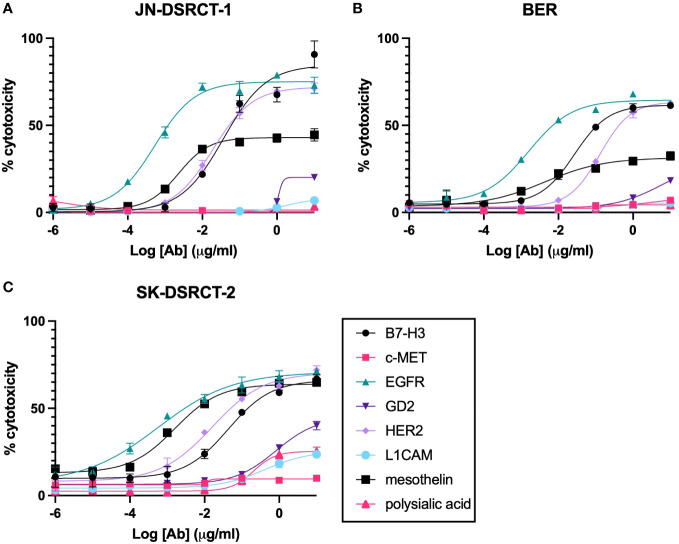
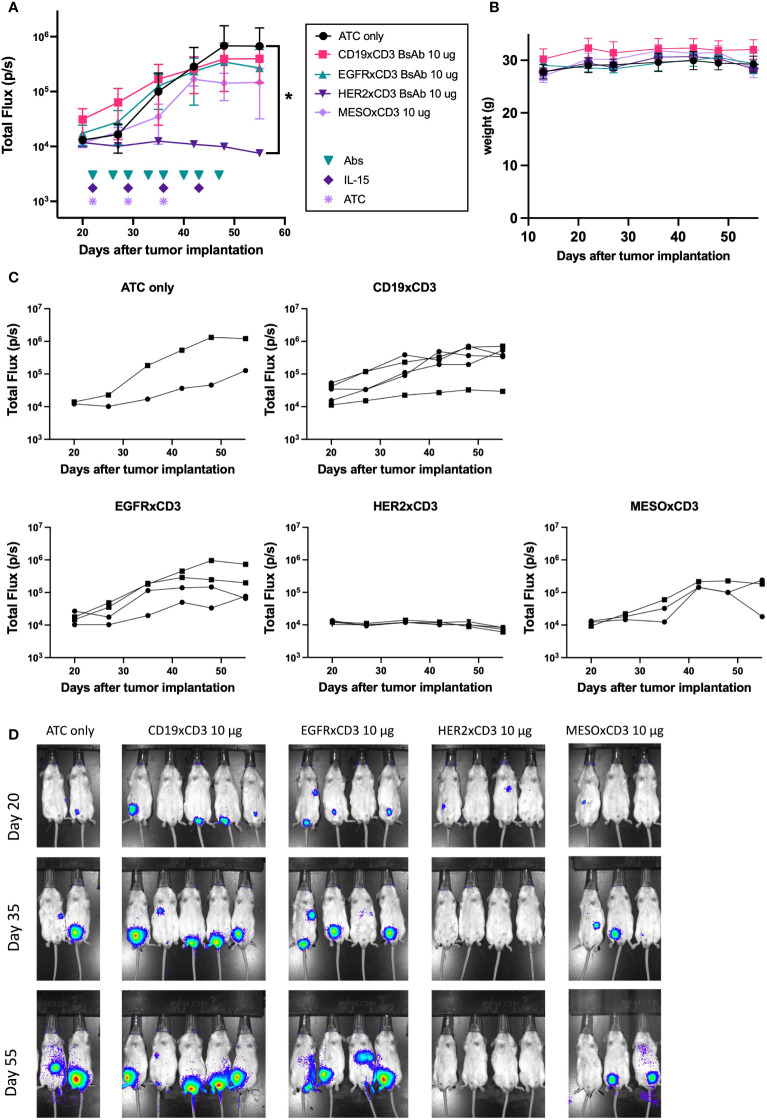
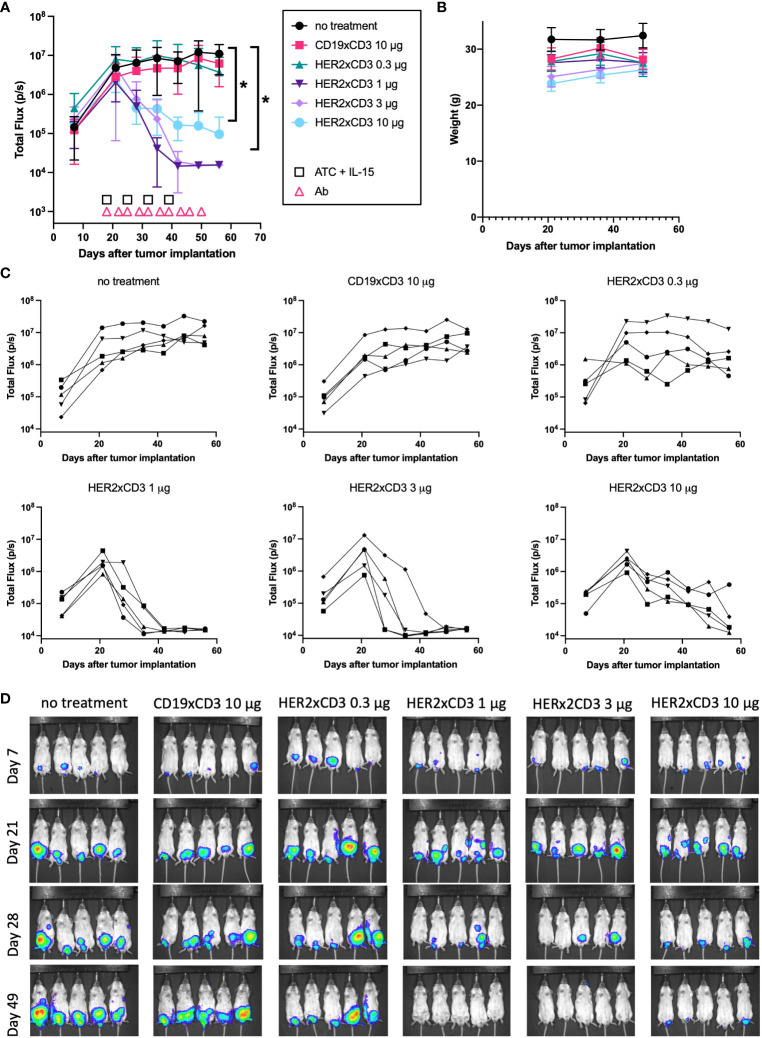
We used immunohistochemistry (IHC) on fresh frozen surgical specimens and patient-derived xenograft (PDX) tumors and flow cytometry on DSRCT cell lines to evaluate expression of TAAs in these tumors. cytotoxicity assays were used to evaluate the efficacy of T cell-engaging bispecific antibodies (T-BsAbs) directed at these targets. , we used an intraperitoneal xenograft mouse model of DSRCT to test T-BsAbs against several TAAs.
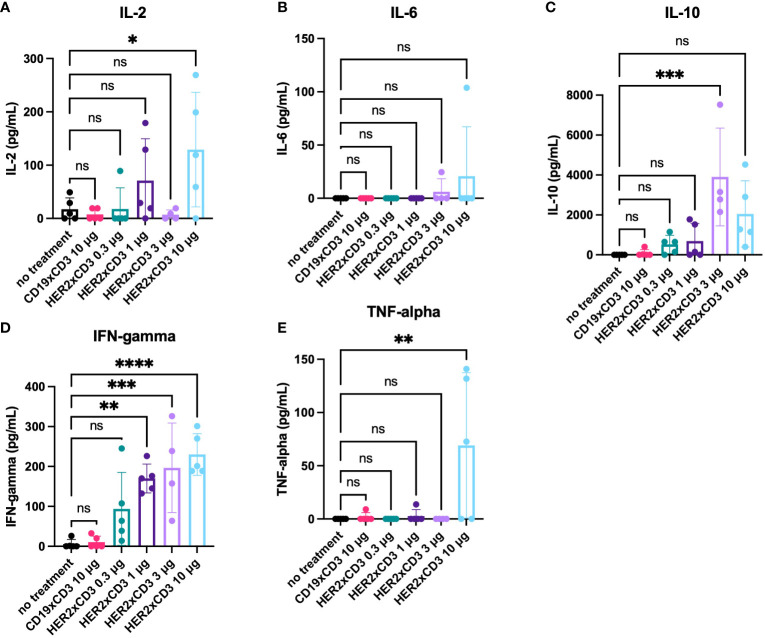
In DSRCT specimens we found widespread expression of B7-H3, EGFR, GD2, HER2, mesothelin, and polysialic acid, clinical targets for which specific antibody therapeutics are available. The expression of B7-H3, EGFR, HER2, and mesothelin was confirmed on the cell surface of DSRCT cell lines. cytotoxicity assays confirmed the efficacy of T cell-engaging bispecific antibodies (T-BsAbs) directed at these targets against DSRCT cells. Remarkably, a HER2xCD3 T-BsAb was capable of completely shrinking established tumors in an intraperitoneal mouse model of DSRCT.
We propose that these TAAs should be further investigated in preclinical models as targets for immunotherapy and radioimmunotherapy with the hope of providing a rationale to extend these therapies to patients with advanced DSRCT.
成功的基于抗体的免疫治疗和放射免疫治疗策略的发展依赖于鉴定在正常组织上表达受限的细胞表面肿瘤相关抗原(TAA)。促纤维组织增生性小圆细胞肿瘤(DSRCT)是一种罕见且通常被忽视的恶性肿瘤,主要影响青少年和年轻成年男性。DSRCT在诊断时通常已广泛扩散,因此需要能够治疗播散性疾病的新疗法。
我们对新鲜冷冻的手术标本和患者来源的异种移植(PDX)肿瘤进行免疫组织化学(IHC),并对DSRCT细胞系进行流式细胞术,以评估这些肿瘤中TAA的表达。使用细胞毒性试验来评估针对这些靶点的T细胞结合双特异性抗体(T-BsAb)的疗效。此外,我们使用DSRCT的腹腔异种移植小鼠模型来测试针对几种TAA的T-BsAb。
在DSRCT标本中,我们发现B7-H3、表皮生长因子受体(EGFR)、GD2、人表皮生长因子受体2(HER2)、间皮素和多唾液酸广泛表达,针对这些靶点有可用的特异性抗体疗法。在DSRCT细胞系的细胞表面证实了B7-H3、EGFR、HER2和间皮素的表达。细胞毒性试验证实了针对这些靶点的T细胞结合双特异性抗体(T-BsAb)对DSRCT细胞的疗效。值得注意的是,一种HER2xCD3 T-BsAb能够使DSRCT腹腔小鼠模型中已形成的肿瘤完全缩小。
我们建议在临床前模型中进一步研究这些TAA作为免疫治疗和放射免疫治疗的靶点,以期为将这些疗法扩展至晚期DSRCT患者提供理论依据。