Ding Ziqiang, Xiong Lin, Wang Xingdong, Guo Shaoke, Cao Mengli, Kang Yandong, La Yongfu, Bao Pengjia, Pei Jie, Guo Xian
Key Laboratory of Yak Breeding Engineering of Gansu Province, Lanzhou Institute of Husbandry and Pharmaceutical Sciences, Chinese Academy of Agricultural Sciences, Lanzhou 730050, China.
Key Laboratory of Animal Genetics and Breeding on Tibetan Plateau, Ministry of Agriculture and Rural Affairs, Lanzhou 730050, China.
Animals (Basel). 2023 Apr 15;13(8):1355. doi: 10.3390/ani13081355.
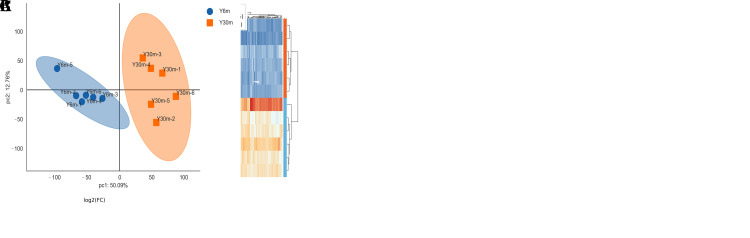
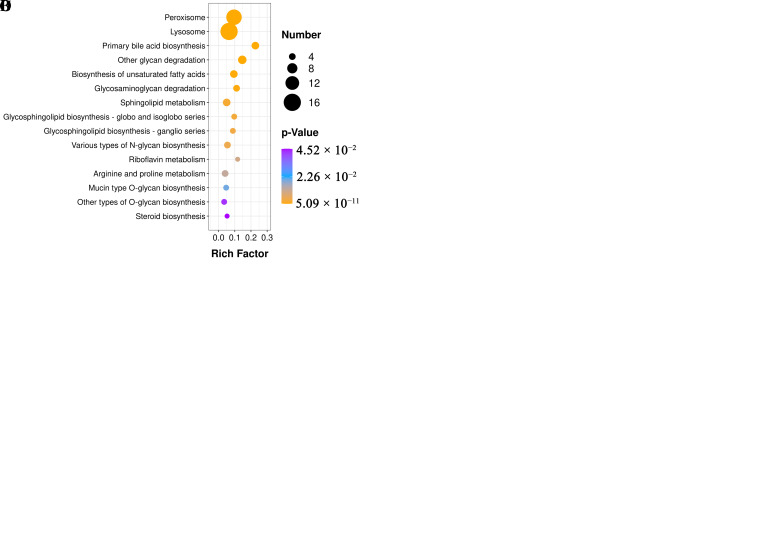
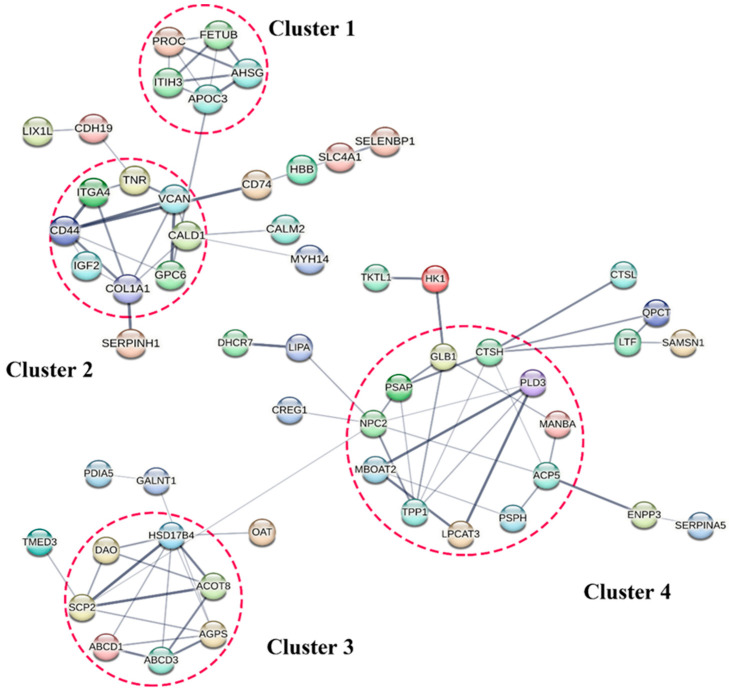
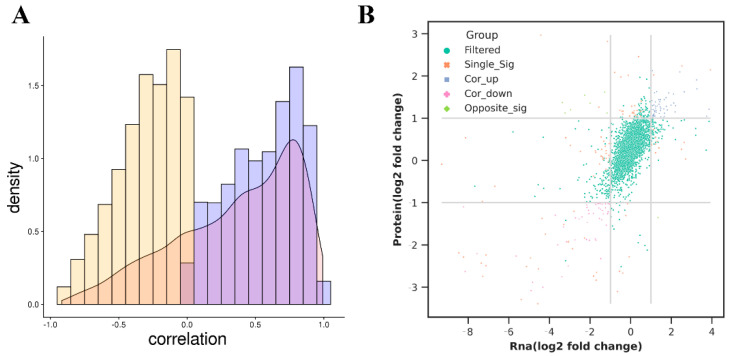
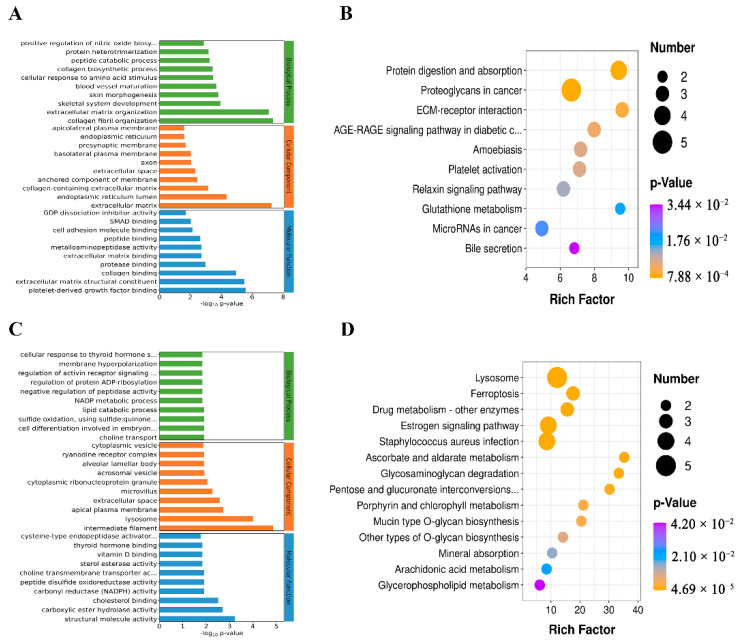
Epididymis development is the basis of male reproduction and is a crucial site where sperm maturation occurs. In order to further understand the epididymal development of yak and how to regulate sperm maturation, we conducted a multi-omics analysis. We detected 2274 differential genes, 222 differential proteins and 117 co-expression genes in the cauda epididymis of yak before and after sexual maturity by RNA-seq and proteomics techniques, which included TGFBI, COL1A1, COL1A2, COL3A1, COL12A1, SULT2B1, KRT19, and NPC2. These high abundance genes are mainly related to cell growth, differentiation, adhesion and sperm maturation, and are mainly enriched via extracellular matrix receptor interaction, protein differentiation and absorption, and lysosome and estrogen signaling pathways. The abnormal expression of these genes may lead to the retardation of epididymal cauda development and abnormal sperm function in yak. In conclusion, through single and combined analysis, we provided a theoretical basis for the development of the yak epididymal cauda, sperm maturation, and screening of key genes involved in the regulation of male yak reproduction.
附睾发育是雄性生殖的基础,是精子成熟的关键部位。为了进一步了解牦牛附睾发育以及如何调节精子成熟,我们进行了多组学分析。通过RNA测序和蛋白质组学技术,我们检测了性成熟前后牦牛附睾尾部的2274个差异基因、222个差异蛋白质和117个共表达基因,其中包括TGFBI、COL1A1、COL1A2、COL3A1、COL12A1、SULT2B1、KRT19和NPC2。这些高丰度基因主要与细胞生长、分化、黏附及精子成熟相关,主要通过细胞外基质受体相互作用、蛋白质分化与吸收以及溶酶体和雌激素信号通路富集。这些基因的异常表达可能导致牦牛附睾尾部发育迟缓及精子功能异常。总之,通过单因素和联合分析,我们为牦牛附睾尾部发育、精子成熟以及参与雄性牦牛繁殖调控的关键基因筛选提供了理论依据。