
陶瓷建筑材料的大气劣化及该领域的未来趋势:综述
Atmospheric deterioration of ceramic building materials and future trends in the field: a review.
作者信息
Santa Ana C, Gómez Maryory A, Castaño Juan G, Tamayo José A, Baena Libia M
机构信息
Grupo Calidad Metrología y Producción, Instituto Tecnológico Metropolitano -ITM, Medellín, Antioquia, 050034, Colombia.
Centro de Investigación, Innovación y Desarrollo de Materiales - CIDEMAT, Facultad de Ingeniería, Universidad de Antioquia UdeA, Calle 70 No 52 - 21, Medellín, Colombia.
出版信息
Heliyon. 2023 Mar 30;9(4):e15028. doi: 10.1016/j.heliyon.2023.e15028. eCollection 2023 Apr.
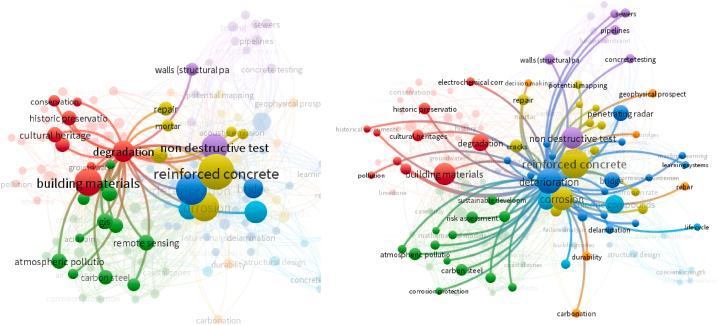
Multiple techniques have been developed and implemented around the world to monitor structures and minimize the costs of repairing, maintaining, and losing ceramic building materials due to environmental factors. Understanding the different degradation phenomena that affect ceramic building materials and evaluating their condition can help reduce material losses caused by deterioration and the need for interventions. This study reviews the main forms of atmospheric degradation that affect ceramic materials and the commonly employed methods to evaluate their deterioration. The aim is to illustrate the different types of atmospheric deterioration that affect ceramic materials and to demonstrate the current monitoring methods and testing. In addition to a literature review, a bibliometric analysis was conducted to highlight the available tools to counter atmospheric deterioration. The analysis shows that CO2, sulfates, and temperature are the most important types of degradation for ceramic construction materials. It was also discovered that due to their porous nature, ceramic construction materials require careful control as contaminants and water can easily penetrate them. The two most severe types of deterioration identified in this analysis for reinforced concrete were chloride-induced corrosion and carbonation.
世界各地已开发并实施了多种技术,以监测建筑结构,并尽量减少因环境因素导致的陶瓷建筑材料的修复、维护和损失成本。了解影响陶瓷建筑材料的不同降解现象并评估其状况,有助于减少因材料劣化造成的损失以及干预需求。本研究回顾了影响陶瓷材料的主要大气降解形式以及评估其劣化的常用方法。目的是说明影响陶瓷材料的不同类型的大气劣化,并展示当前的监测方法和测试。除了文献综述外,还进行了文献计量分析,以突出应对大气劣化的可用工具。分析表明,二氧化碳、硫酸盐和温度是陶瓷建筑材料最重要的降解类型。还发现,由于其多孔性质,陶瓷建筑材料需要仔细控制,因为污染物和水很容易渗透进去。该分析确定的钢筋混凝土两种最严重的劣化类型是氯化物诱导的腐蚀和碳化。




 Zotero 插件