Lee Yee Fun, Russ Alyssa N, Zhao Qiuchen, Maci Megi, Miller Morgan R, Hou Steven S, Algamal Moustafa, Zhao Zhuoyang, Li Hanyan, Gelwan Noah, Gomperts Stephen N, Araque Alfonso, Galea Elena, Bacskai Brian J, Kastanenka Ksenia V
Boston University School of Medicine.
Massachusetts General Hospital, Harvard Medical School.
Res Sq. 2023 Apr 25:rs.3.rs-2813056. doi: 10.21203/rs.3.rs-2813056/v1.
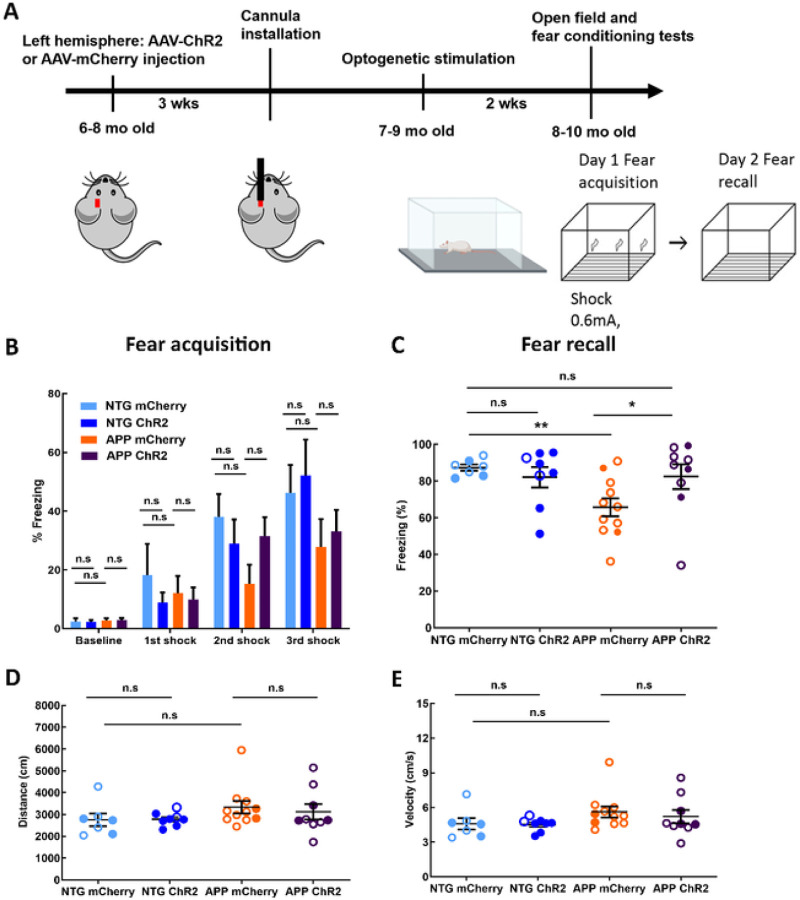
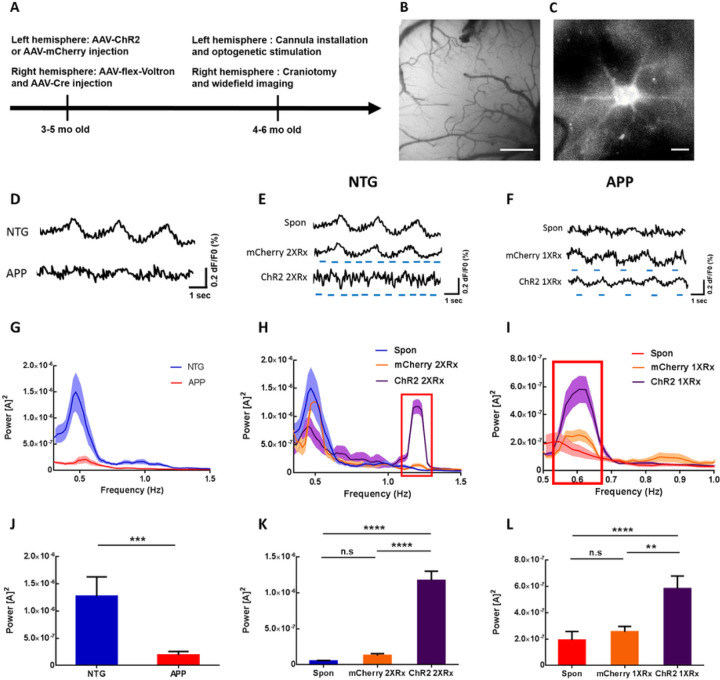
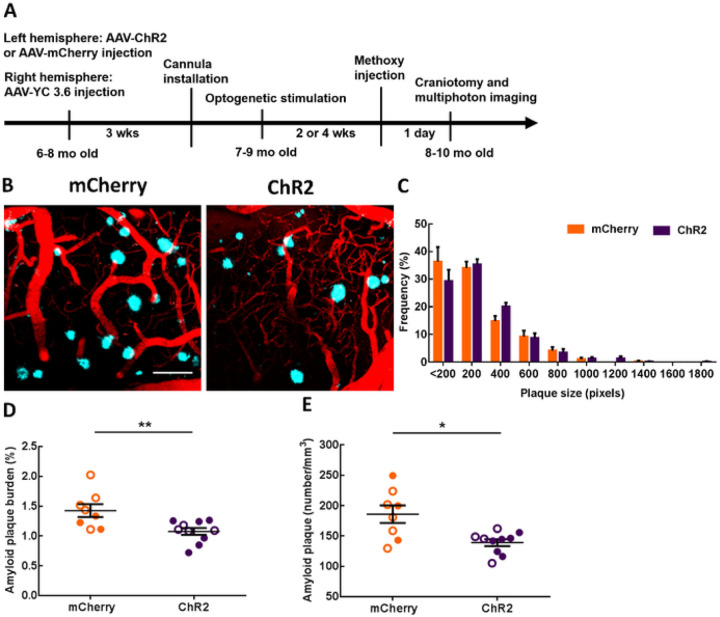
Patients with Alzheimer's disease (AD) exhibit non-rapid eye movement (NREM) sleep disturbances in addition to memory deficits. Disruption of NREM slow waves occurs early in the disease progression and is recapitulated in transgenic mouse models of beta-amyloidosis. However, the mechanisms underlying slow-wave disruptions remain unknown. Because astrocytes contribute to slow-wave activity, we used multiphoton microscopy and optogenetics to investigate whether they contribute to slow-wave disruptions in APP mice. The power but not the frequency of astrocytic calcium transients was reduced in APP mice compared to nontransgenic controls. Optogenetic activation of astrocytes at the endogenous frequency of slow waves restored slow-wave power, reduced amyloid deposition, prevented neuronal calcium elevations, and improved memory performance. Our findings revealed malfunction of the astrocytic network driving slow-wave disruptions. Thus, targeting astrocytes to restore circuit activity underlying sleep and memory disruptions in AD could ameliorate disease progression.
阿尔茨海默病(AD)患者除了存在记忆缺陷外,还表现出非快速眼动(NREM)睡眠障碍。NREM慢波的破坏在疾病进展早期就会出现,并且在β-淀粉样变性的转基因小鼠模型中也会重现。然而,慢波破坏背后的机制仍然未知。由于星形胶质细胞对慢波活动有贡献,我们使用多光子显微镜和光遗传学来研究它们是否导致APP小鼠的慢波破坏。与非转基因对照相比,APP小鼠中星形胶质细胞钙瞬变的功率降低,但频率未降低。以慢波的内源性频率对星形胶质细胞进行光遗传学激活可恢复慢波功率,减少淀粉样蛋白沉积,防止神经元钙升高,并改善记忆表现。我们的研究结果揭示了驱动慢波破坏的星形胶质细胞网络功能失调。因此,针对星形胶质细胞来恢复AD中睡眠和记忆破坏背后的电路活动可能会改善疾病进展。