The Frick Center for Heart Failure and Arrhythmia, Dorothy M. Davis Heart and Lung Research Institute, The Ohio State University, Columbus, Ohio, USA; Department of Physiology and Cell Biology, The Ohio State University, Columbus, Ohio, USA.
The Frick Center for Heart Failure and Arrhythmia, Dorothy M. Davis Heart and Lung Research Institute, The Ohio State University, Columbus, Ohio, USA; Department of Surgery/Division of Cardiac Surgery, The Ohio State University, Columbus, Ohio, USA.
J Biol Chem. 2023 Jun;299(6):104818. doi: 10.1016/j.jbc.2023.104818. Epub 2023 May 12.
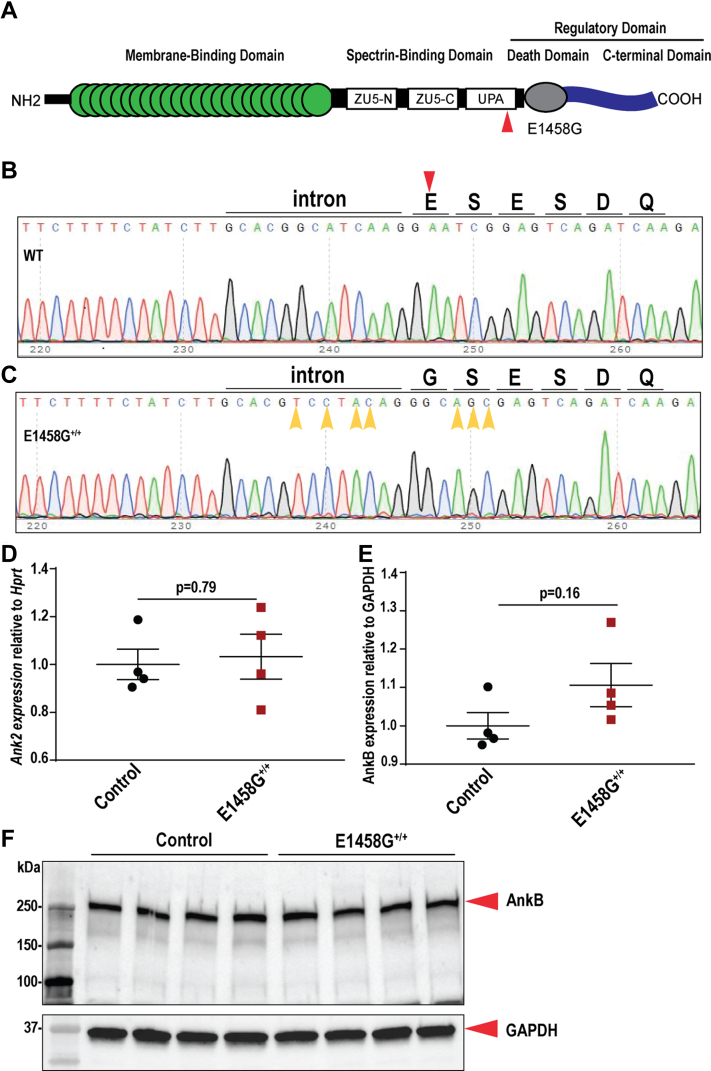
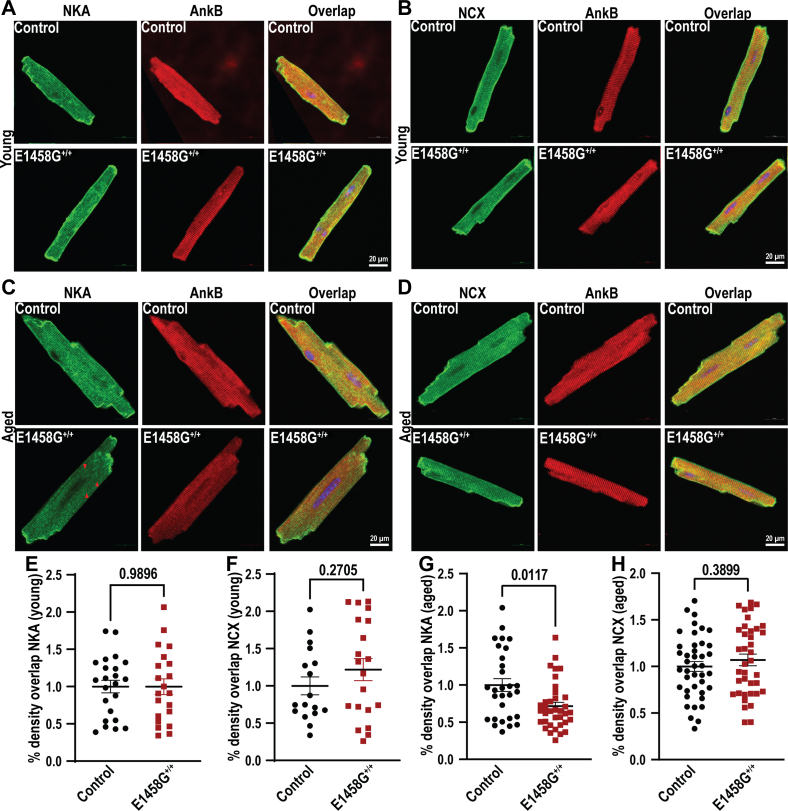
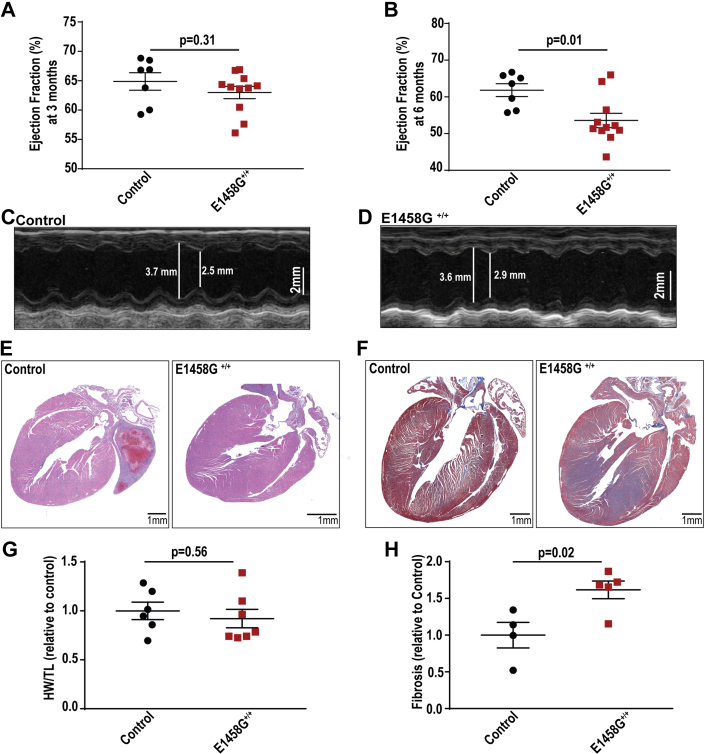
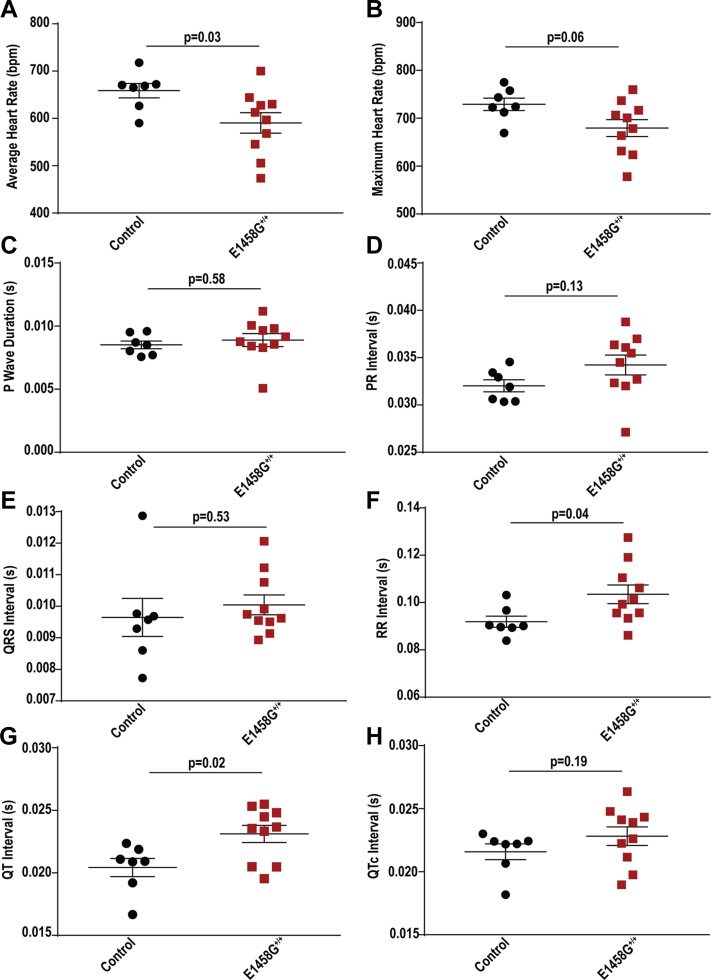
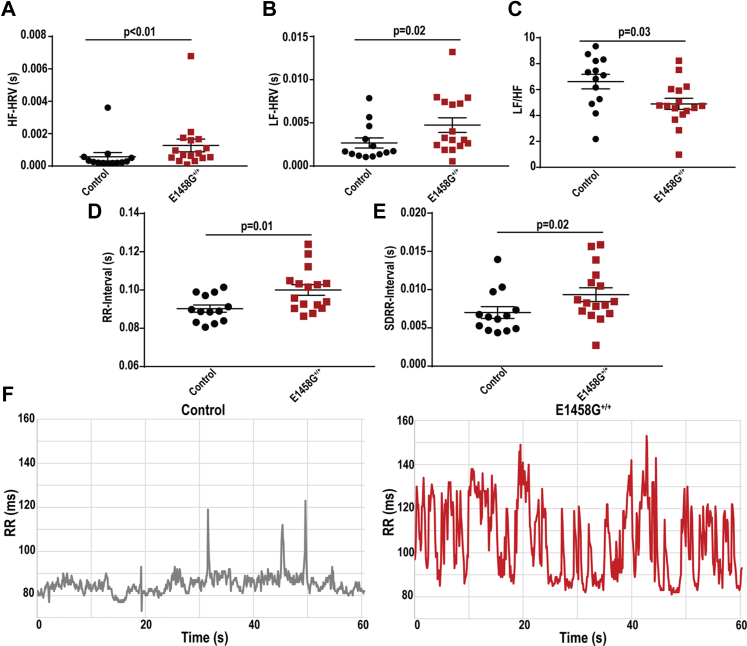
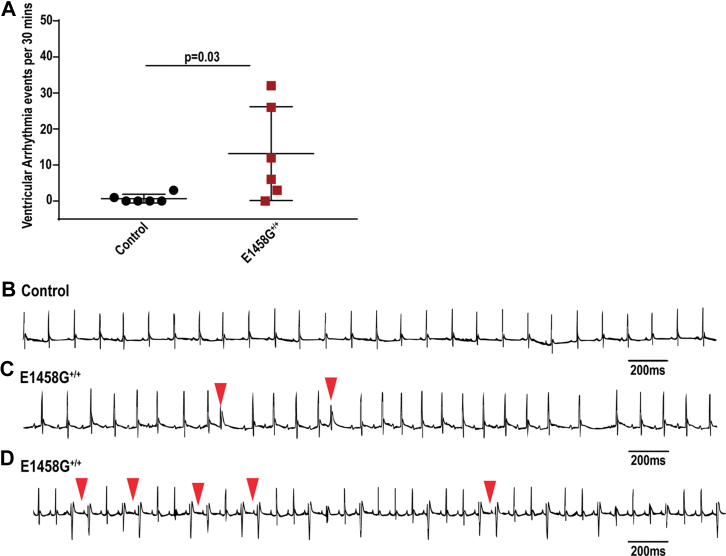
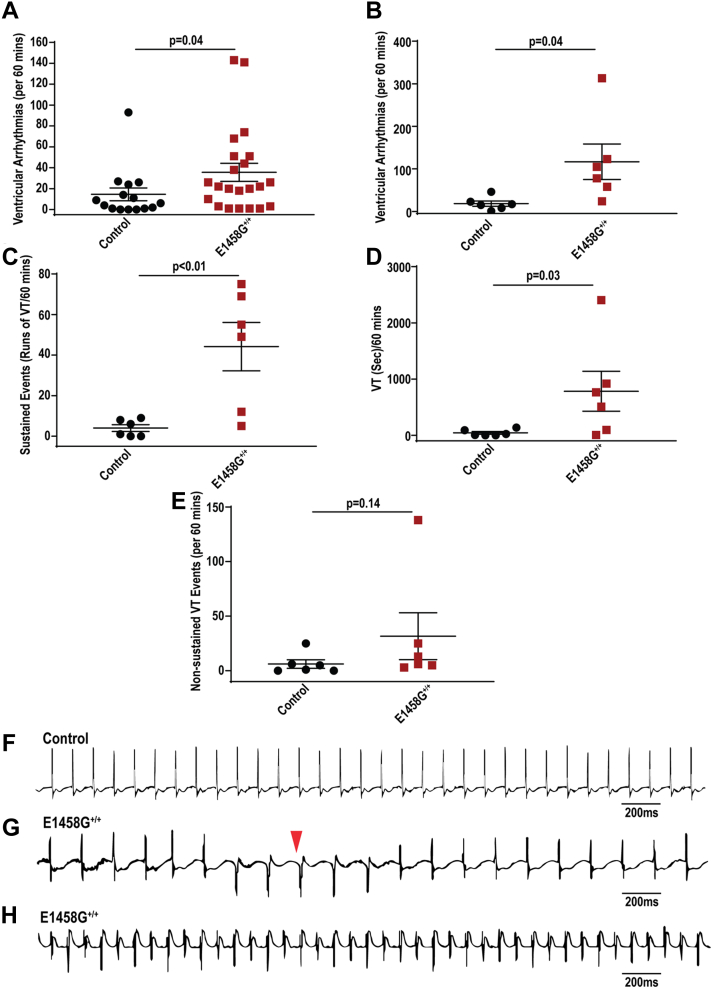
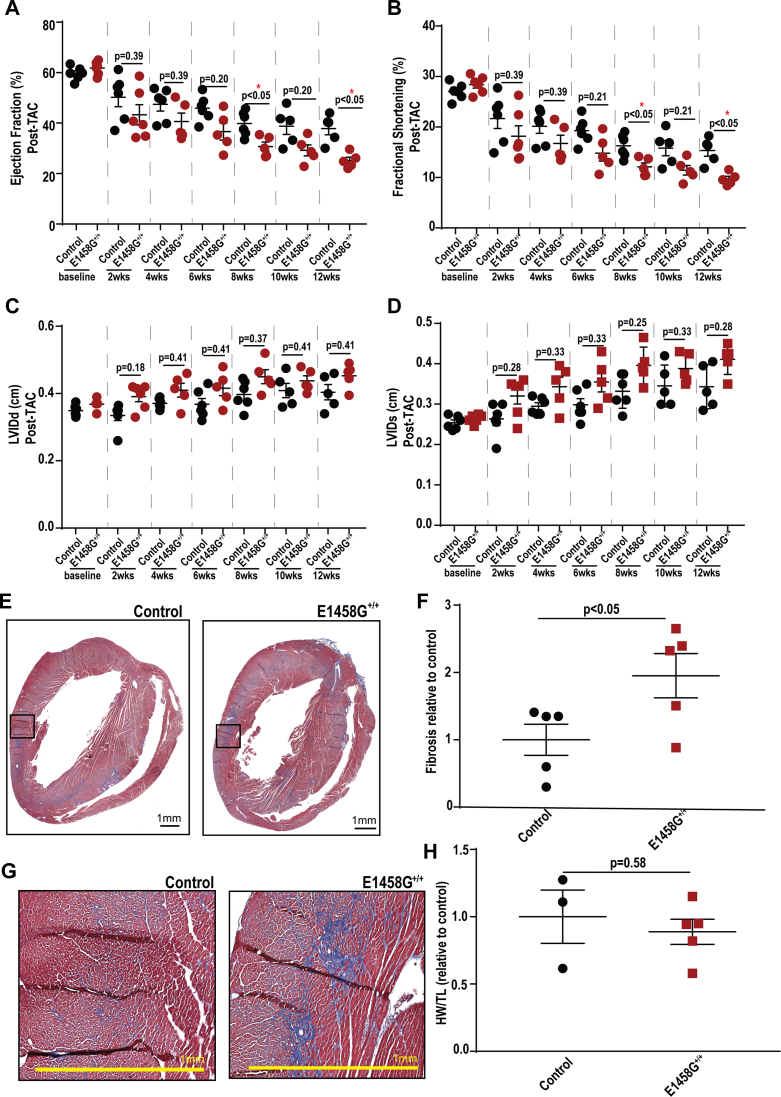
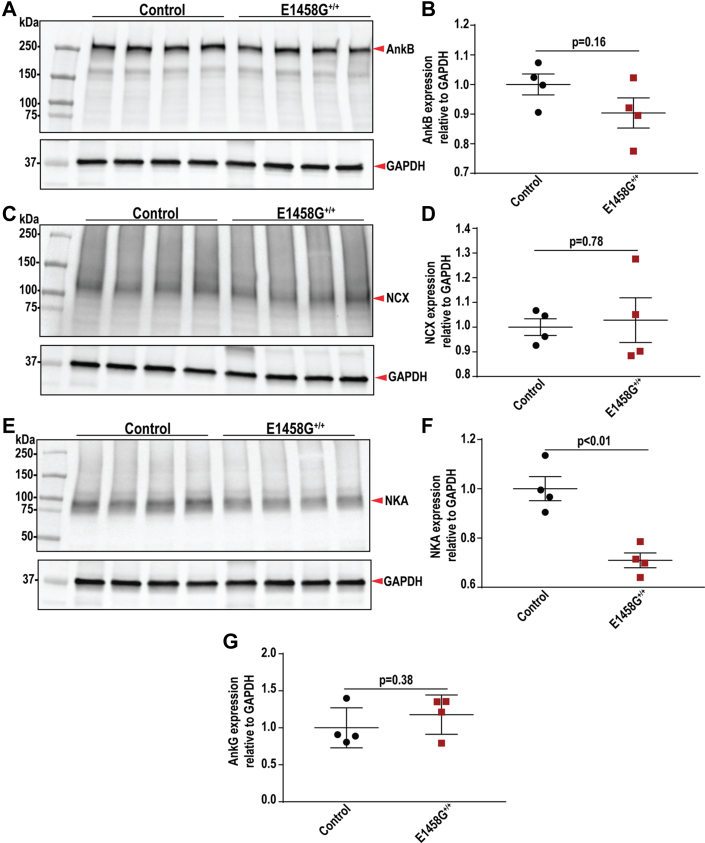
Encoded by ANK2, ankyrin-B (AnkB) is a multifunctional adapter protein critical for the expression and targeting of key cardiac ion channels, transporters, cytoskeletal-associated proteins, and signaling molecules. Mice deficient for AnkB expression are neonatal lethal, and mice heterozygous for AnkB expression display cardiac structural and electrical phenotypes. Human ANK2 loss-of-function variants are associated with diverse cardiac manifestations; however, human clinical 'AnkB syndrome' displays incomplete penetrance. To date, animal models for human arrhythmias have generally been knock-out or transgenic overexpression models and thus the direct impact of ANK2 variants on cardiac structure and function in vivo is not clearly defined. Here, we directly tested the relationship of a single human ANK2 disease-associated variant with cardiac phenotypes utilizing a novel in vivo animal model. At baseline, young AnkBp.E1458G mice lacked significant structural or electrical abnormalities. However, aged AnkBp.E1458G mice displayed both electrical and structural phenotypes at baseline including bradycardia and aberrant heart rate variability, structural remodeling, and fibrosis. Young and old AnkBp.E1458G mice displayed ventricular arrhythmias following acute (adrenergic) stress. In addition, young AnkBp.E1458G mice displayed structural remodeling following chronic (transverse aortic constriction) stress. Finally, AnkBp.E1458G myocytes harbored alterations in expression and/or localization of key AnkB-associated partners, consistent with the underlying disease mechanism. In summary, our findings illustrate the critical role of AnkB in in vivo cardiac function as well as the impact of single AnkB loss-of-function variants in vivo. However, our findings illustrate the contribution and in fact necessity of secondary factors (aging, adrenergic challenge, pressure-overload) to phenotype penetrance and severity.
ANK2 编码的锚蛋白-B(AnkB)是一种多功能衔接蛋白,对关键心脏离子通道、转运体、细胞骨架相关蛋白和信号分子的表达和靶向至关重要。ANK2 表达缺失的小鼠在新生时即死亡,ANK2 表达杂合子的小鼠表现出心脏结构和电表型。人类 ANK2 功能丧失变异与多种心脏表现相关;然而,人类临床的“ANK2 综合征”显示不完全外显率。迄今为止,用于人类心律失常的动物模型通常是敲除或转基因过表达模型,因此 ANK2 变异对体内心脏结构和功能的直接影响尚不清楚。在这里,我们利用一种新的体内动物模型直接测试了单一人类 ANK2 疾病相关变异与心脏表型的关系。在基线时,年轻的 AnkBp.E1458G 小鼠没有明显的结构或电异常。然而,年老的 AnkBp.E1458G 小鼠在基线时表现出电和结构表型,包括心动过缓和心率变异性异常、结构重塑和纤维化。年轻和年老的 AnkBp.E1458G 小鼠在急性(肾上腺素能)应激后出现室性心律失常。此外,年轻的 AnkBp.E1458G 小鼠在慢性(横主动脉缩窄)应激后表现出结构重塑。最后,AnkBp.E1458G 心肌细胞表现出关键 AnkB 相关伴侣的表达和/或定位改变,与潜在的疾病机制一致。总之,我们的研究结果表明 AnkB 在体内心脏功能中的关键作用以及单个 AnkB 功能丧失变异在体内的影响。然而,我们的研究结果表明,次要因素(年龄、肾上腺素挑战、压力超负荷)对表型外显率和严重程度的贡献,事实上是必需的。