Department of Radiology, Weill Cornell Medicine, 1300 York Avenue, New York, NY, 10065, USA.
Department of Biochemistry and Molecular Biology, New York Medical College, Valhalla, NY, 10595, USA.
Geroscience. 2024 Aug;46(4):3617-3634. doi: 10.1007/s11357-023-00788-4. Epub 2023 May 23.
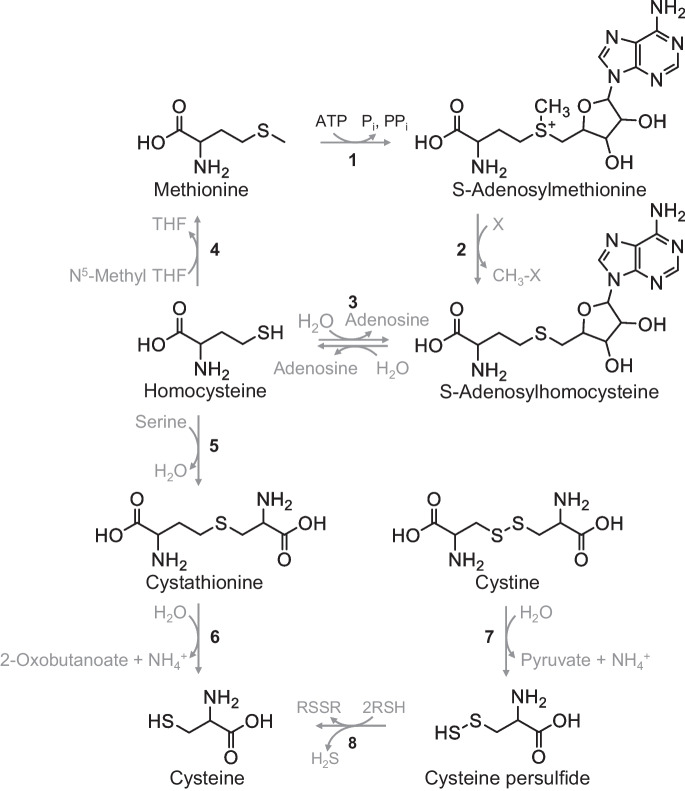
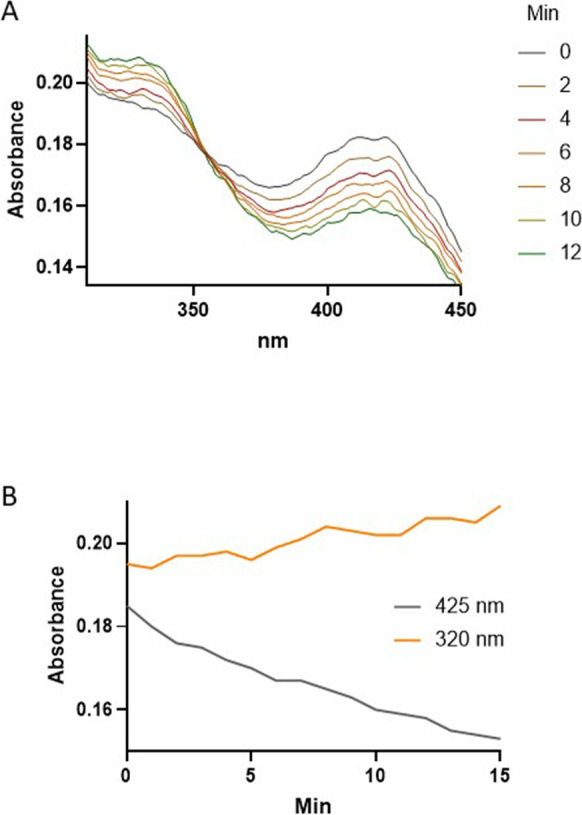
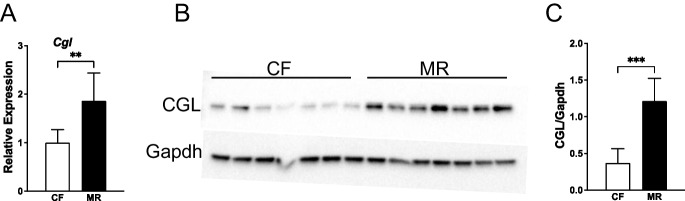
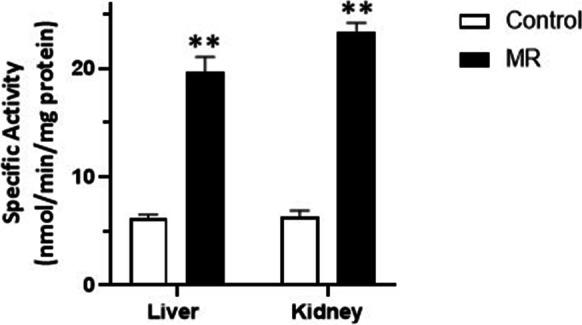
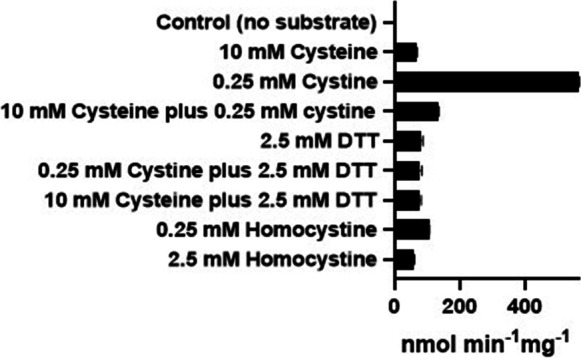
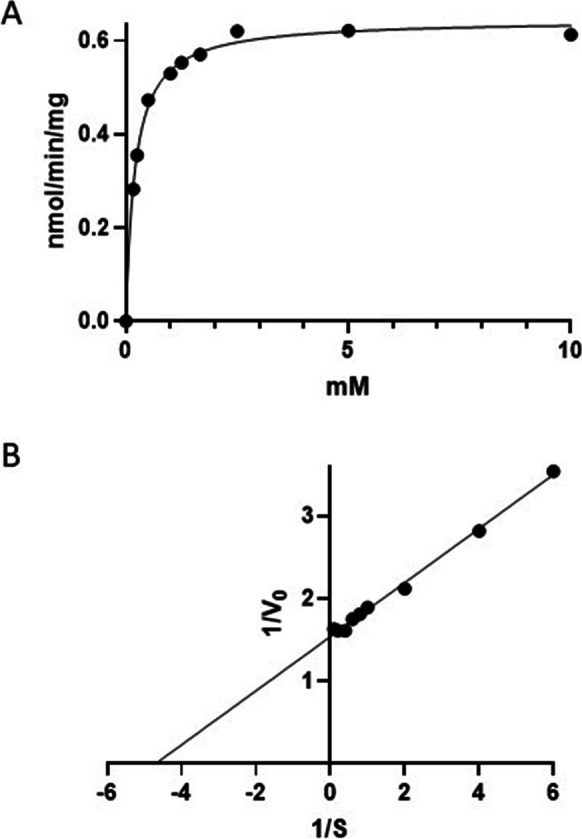
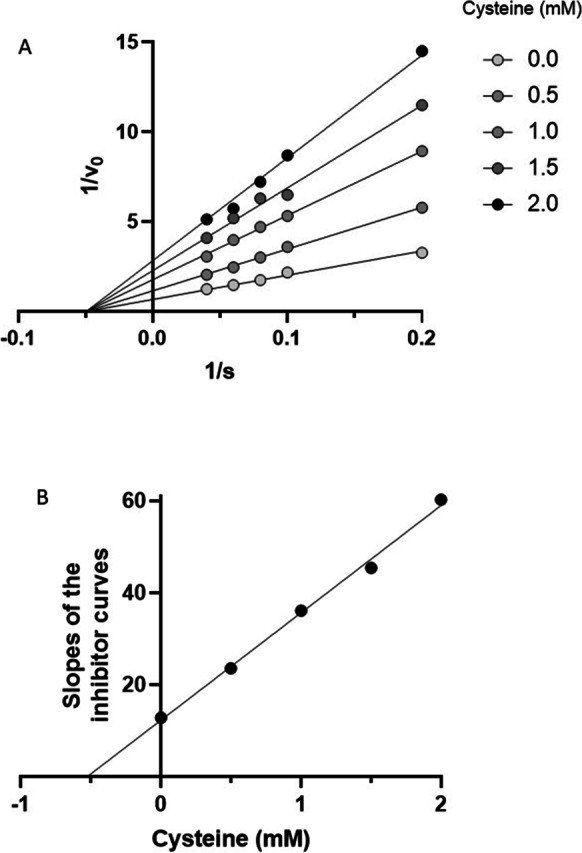
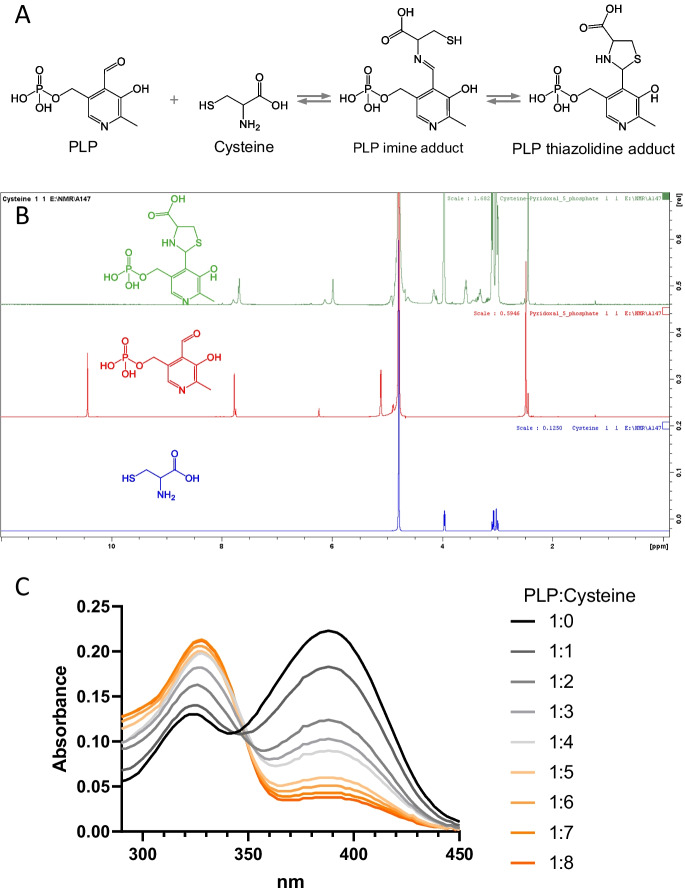
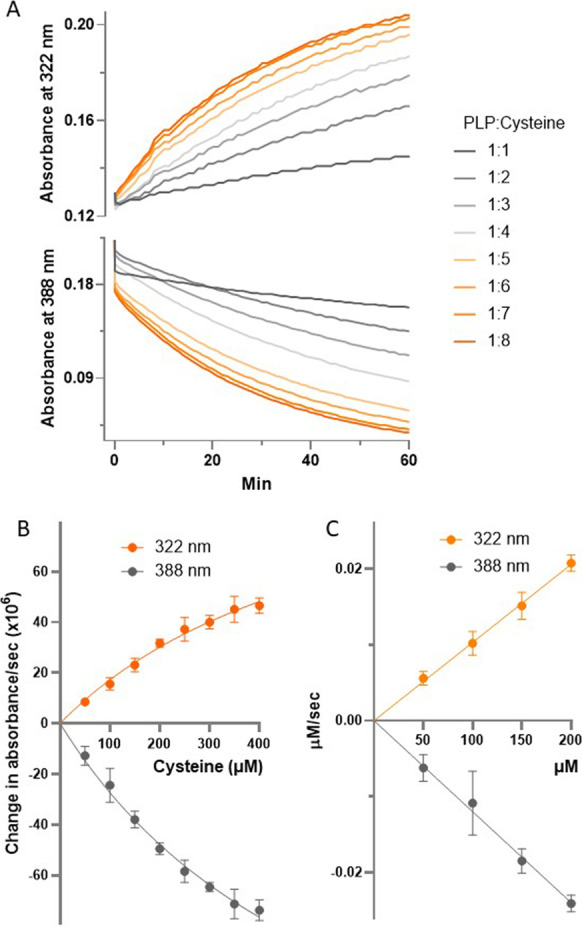
Dietary methionine restriction (MR) increases longevity by improving health. In experimental models, MR is accompanied by decreased cystathionine β-synthase activity and increased cystathionine γ-lyase activity. These enzymes are parts of the transsulfuration pathway which produces cysteine and 2-oxobutanoate. Thus, the decrease in cystathionine β-synthase activity is likely to account for the loss of tissue cysteine observed in MR animals. Despite this decrease in cysteine levels, these tissues exhibit increased HS production which is thought to be generated by β-elimination of the thiol moiety of cysteine, as catalyzed by cystathionine β-synthase or cystathionine γ-lyase. Another possibility for this HS production is the cystathionine γ-lyase-catalyzed β-elimination of cysteine persulfide from cystine, which upon reduction yields HS and cysteine. Here, we demonstrate that MR increases cystathionine γ-lyase production and activities in the liver and kidneys, and that cystine is a superior substrate for cystathionine γ-lyase catalyzed β-elimination as compared to cysteine. Moreover, cystine and cystathionine exhibit comparable K/K values (6000 M s) as substrates for cystathionine γ-lyase-catalyzed β-elimination. By contrast, cysteine inhibits cystathionine γ-lyase in a non-competitive manner (K ~ 0.5 mM), which limits its ability to function as a substrate for β-elimination by this enzyme. Cysteine inhibits the enzyme by reacting with its pyridoxal 5'-phosphate cofactor to form a thiazolidine and in so doing prevents further catalysis. These enzymological observations are consistent with the notion that during MR cystathionine γ-lyase is repurposed to catabolize cystine and thereby form cysteine persulfide, which upon reduction produces cysteine.
饮食蛋氨酸限制(MR)通过改善健康状况来延长寿命。在实验模型中,MR 伴随着胱硫醚 β-合酶活性降低和胱硫醚 γ-裂合酶活性增加。这些酶是产生半胱氨酸和 2-氧代丁酸的转硫途径的一部分。因此,胱硫醚 β-合酶活性的降低可能导致 MR 动物组织中半胱氨酸的损失。尽管半胱氨酸水平降低,但这些组织表现出增加的 HS 产生,据认为这是由半胱氨酸的巯基部分的 β-消除产生的,如由胱硫醚 β-合酶或胱硫醚 γ-裂合酶催化。这种 HS 产生的另一种可能性是胱氨酸亚砜从胱氨酸经胱硫醚 γ-裂合酶催化的 β-消除,还原后生成 HS 和半胱氨酸。在这里,我们证明 MR 增加了肝脏和肾脏中胱硫醚 γ-裂合酶的产生和活性,并且胱氨酸是比半胱氨酸更适合胱硫醚 γ-裂合酶催化的 β-消除的底物。此外,胱氨酸和胱硫醚作为胱硫醚 γ-裂合酶催化的 β-消除的底物具有可比的 K/K 值(6000 M s)。相比之下,半胱氨酸以非竞争性方式抑制胱硫醚 γ-裂合酶(K ~ 0.5 mM),这限制了其作为该酶的β-消除底物的功能。半胱氨酸通过与其吡哆醛 5'-磷酸辅因子反应形成噻唑烷并以此阻止进一步的催化来抑制酶。这些酶学观察结果与以下观点一致,即在 MR 期间,胱硫醚 γ-裂合酶被重新用于分解胱氨酸,从而形成胱氨酸亚砜,还原后产生半胱氨酸。