Labanof (Laboratorio Di Antropologia E Odontologia Forense), Sezione Di Medicina Legale, Dipartimento Di Scienze Biomediche Per La Salute, Università Degli Studi Di Milano, Milan, Italy.
Dipartimento Di Medicina Sperimentale, Università Degli Studi Della Campania Luigi Vanvitelli, Naples, Italy.
Int J Legal Med. 2024 Jan;138(1):123-137. doi: 10.1007/s00414-023-03021-1. Epub 2023 May 25.
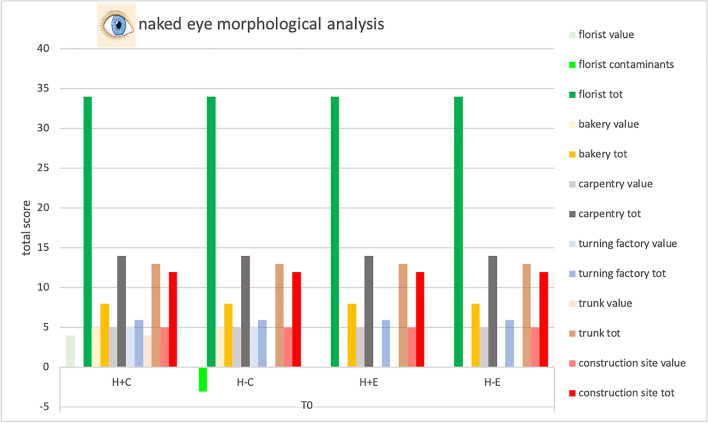
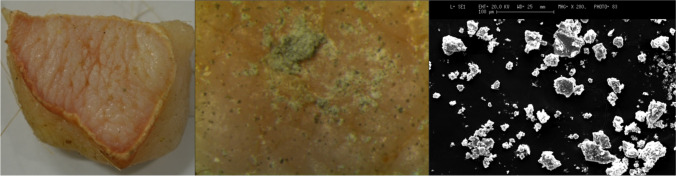
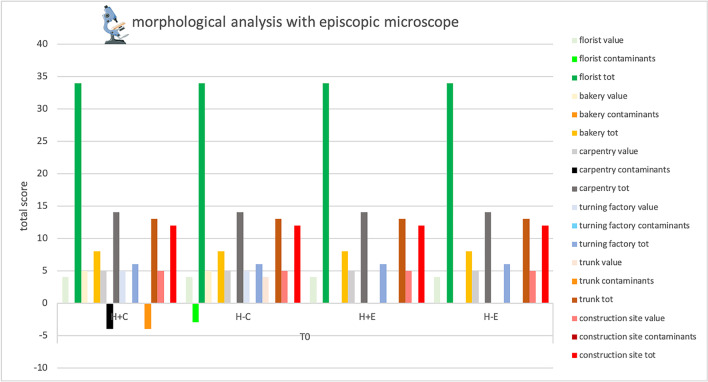
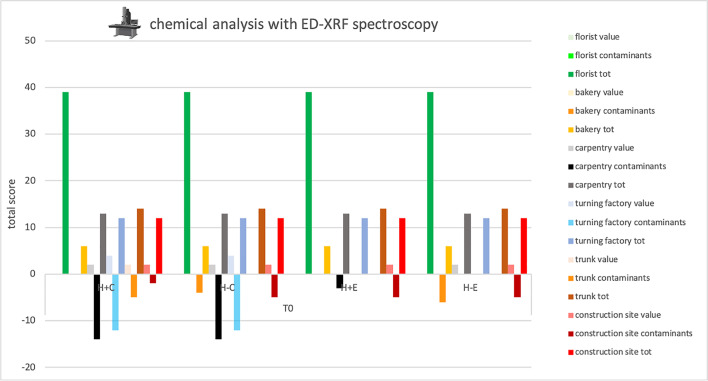
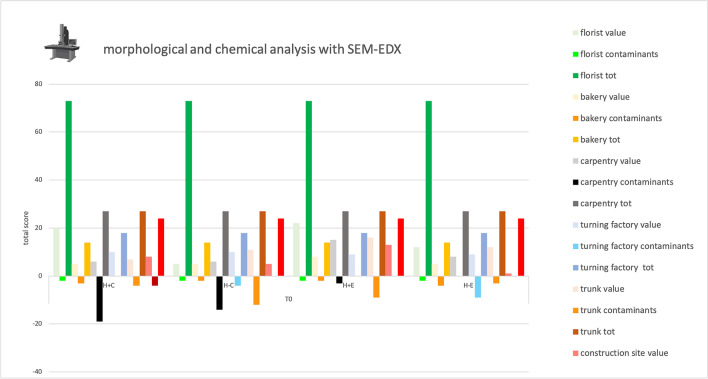
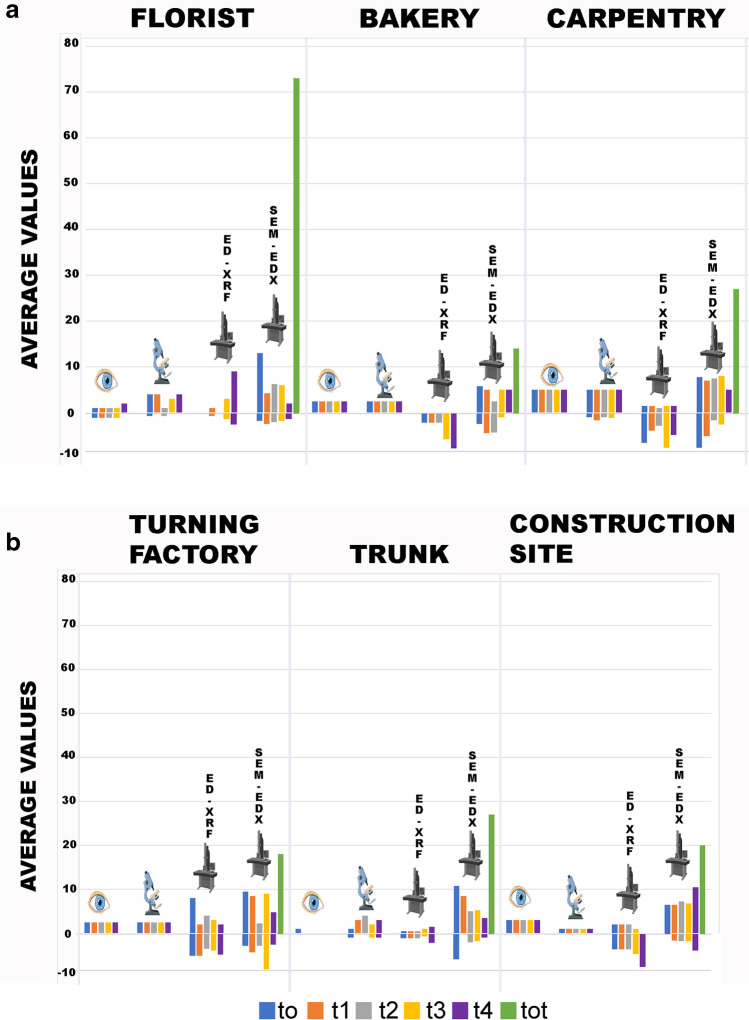
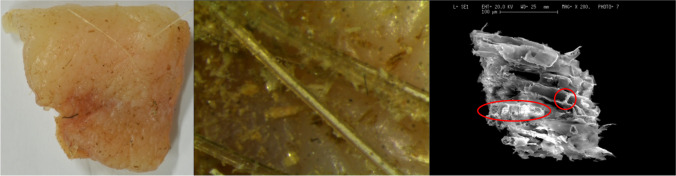
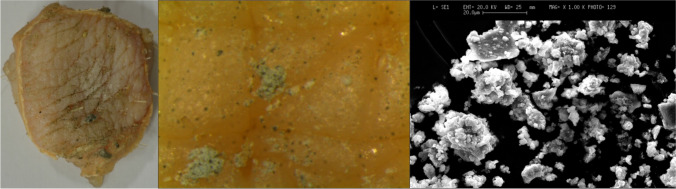
Traces from bodies can be of various nature, for example of biological or inorganic origin. Some of these historically have received more consideration than others in forensic practice. Samplings of gunshot residues or biological fluid traces are commonly standardized, whereas macroscopically invisible environmental traces are usually ignored. This paper simulated the interaction between a cadaver and a crime scene by placing skin samples on the ground of five different workplaces and inside the trunk of a car. Traces on samples were then investigated through different approaches: the naked eye, episcopic microscope, Scanning Electron Microscopy (SEM) with Energy-dispersive X-ray spectroscopy (EDX) and Energy Dispersive X-Ray Fluorescence (ED-XRF). The purpose is to provide the forensic scientist with the awareness of the value of debris on skin and then to highlight implications for forensic investigations. Results demonstrated that even naked eye observation can reveal useful trace materials, for defining the possible surrounding environment. As a next step, the episcopic microscope can increase the number of visible particulates and their analysis. In parallel, the ED-XRF spectroscopy can be useful to add a first chemical composition to the morphological data. Finally, the SEM-EDX analysis on small samples can provide the greatest morphological detail and the most complete chemical analysis, although limited, like the previous technique, to inorganic matrices. The analysis of debris on the skin, even with the difficulties due to the presence of contaminants, can provide information on the environments involved in criminal events that can add to the investigation framework.
尸体痕迹可能具有多种性质,例如生物或无机来源。在法医实践中,历史上有些痕迹比其他痕迹受到更多的关注。枪击残留物或生物体液痕迹的采样通常是标准化的,而宏观上不可见的环境痕迹通常被忽略。本文通过将皮肤样本放置在五个不同工作场所的地面上和汽车后备箱内部,模拟了尸体与犯罪现场的相互作用。然后通过不同的方法研究了样本上的痕迹:肉眼、立体显微镜、带有能量色散 X 射线光谱(EDX)的扫描电子显微镜(SEM)和能量色散 X 射线荧光(ED-XRF)。目的是为法医科学家提供对皮肤碎屑价值的认识,然后强调其对法医调查的意义。结果表明,即使是肉眼观察也可以揭示有用的痕迹材料,从而可以确定周围环境的可能性。作为下一步,立体显微镜可以增加可见颗粒的数量并对其进行分析。同时,ED-XRF 光谱分析可以为形态数据添加初步的化学成分。最后,SEM-EDX 分析虽然像以前的技术一样仅限于无机基质,但可以提供最大的形态细节和最完整的化学分析。对皮肤碎屑的分析,即使存在污染物的困难,也可以提供有关犯罪事件中涉及的环境的信息,从而可以为调查框架增加信息。